DARPA Tests Drones to Enhance Emergency Response for Mass Casualties
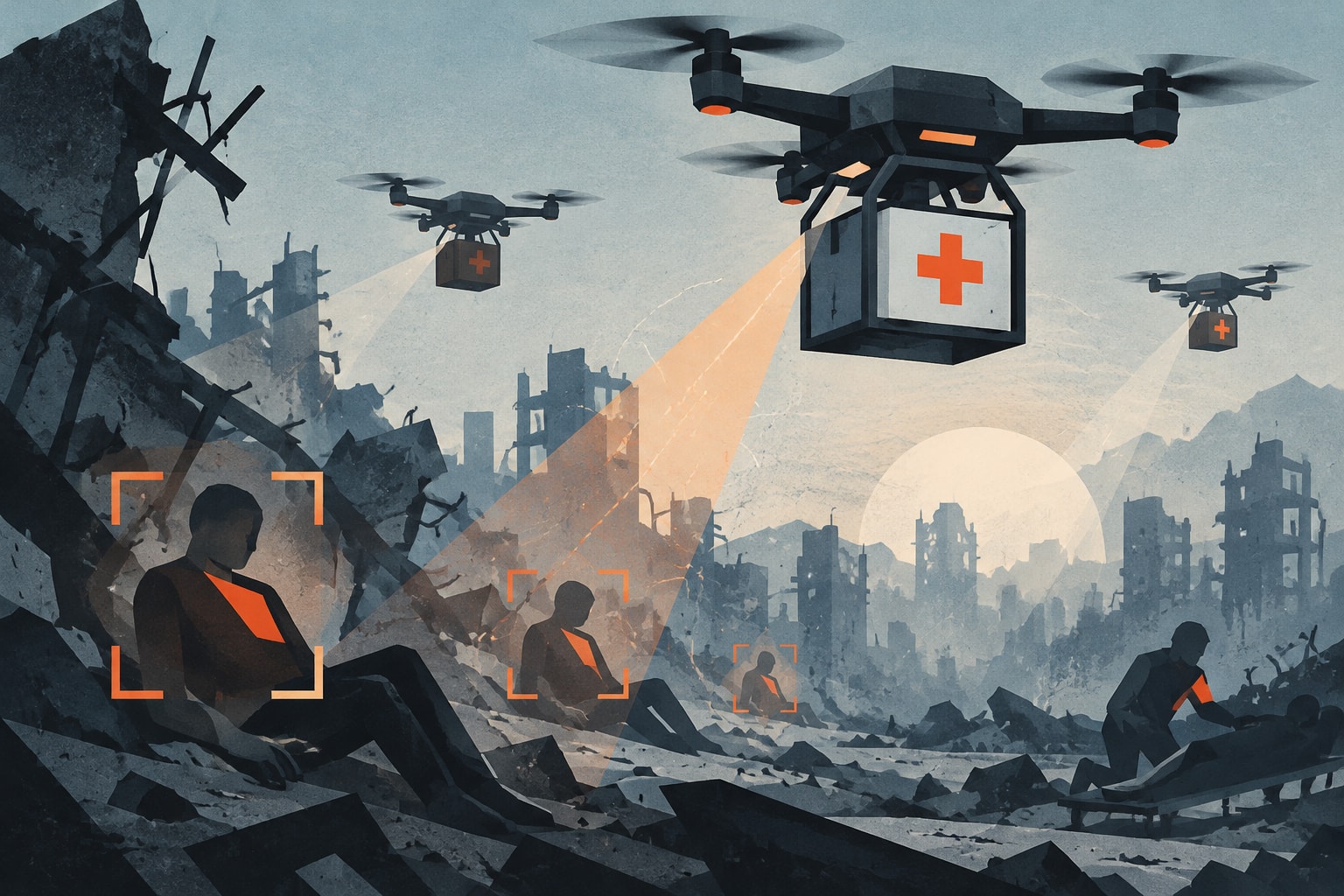
DARPA's Triage Challenge aims to use drones for locating and assessing victims in emergencies.
What's Happening
- •DARPA is testing drones designed to locate and assess injured victims during mass casualty events.
- •The Triage Challenge showcases advancements in drone technology for emergency response.
- •Drones are expected to coordinate care for victims more efficiently than traditional methods.
Why It Matters
The use of drones in emergency response represents a significant leap forward in how military and civilian agencies can manage mass casualty events. For service members and veterans, understanding these advancements is crucial as they may impact future operations and career opportunities in emergency management and technology fields.
What Changes Now
- •DARPA's ongoing tests will refine how drones are used in emergency situations. This could lead to new protocols for military medics and emergency responders in the field.
- •The Triage Challenge encourages collaboration between tech developers and emergency services. This partnership may result in faster implementation of drone technology in real-world scenarios.
- •Advancements in drone capabilities could lead to new training programs for military personnel. Service members may need to adapt to using drones as part of their operational toolkit.
What to Watch
- •Upcoming results from the Triage Challenge will be released in early 2027. These results will determine the next steps for integrating drone technology into emergency response protocols.
- •DARPA plans to collaborate with local emergency services for practical testing in various environments. This collaboration is expected to begin in mid-2027, with potential implications for military training.
- •Future funding opportunities for drone technology development will be announced by DARPA. Stakeholders should keep an eye on budget allocations that may affect the pace of innovation in this area.
Get the Daily Briefing
Military and veteran news that actually affects you, in your inbox each morning.
More Context
- •Overview of the Triage Challenge: The Triage Challenge, organized by DARPA, aims to revolutionize how emergency responders locate and assess victims in mass casualty situations. By deploying drones equipped with advanced sensors and AI capabilities, the initiative seeks to enhance the speed and accuracy of emergency medical responses. This challenge encourages innovation in drone technology, pushing teams to develop solutions that can operate effectively in chaotic environments. The goal is to ensure that victims receive timely care, which is critical in saving lives during large-scale emergencies.
- •Implications for Military and Emergency Services: The integration of drone technology into emergency response has significant implications for military and civilian emergency services. For active-duty service members, particularly those in medical roles such as 68W Army medics, this technology could streamline triage processes in combat scenarios. Additionally, the potential for drones to operate in hazardous environments could reduce risks for first responders, allowing them to focus on care delivery rather than victim location. This advancement may also lead to new training requirements for military personnel as they adapt to utilizing drones in field operations.
- •What This Means for Veterans and Military Families: Veterans and military families could see direct benefits from the advancements in drone technology, particularly in disaster response scenarios. As communities often rely on military resources during emergencies, improved drone capabilities could enhance the effectiveness of local responses. Furthermore, veterans with experience in technology and logistics may find new career opportunities in the growing field of drone operations and emergency management. This shift could be particularly relevant for veterans transitioning into civilian roles, as the demand for tech-savvy professionals continues to rise.
- •Next Steps and Future Developments: As DARPA continues to refine drone technology through the Triage Challenge, several key developments are on the horizon. Upcoming tests will focus on the drones' ability to operate in various environments, including urban and rural settings. Additionally, collaboration with emergency services will be crucial to ensure that the technology meets real-world needs. Stakeholders should monitor updates from DARPA regarding the outcomes of these tests and any potential implementation timelines for military and civilian use.
Frequently Asked Questions
Will this drone technology be used in military operations?
Yes, DARPA's drone technology is designed to enhance emergency response in both civilian and military operations, potentially improving triage processes in combat scenarios.
How can I get involved in drone technology development?
Veterans and service members interested in drone technology can explore career opportunities in emergency management and technology sectors, particularly as demand for skilled professionals grows.
The Daily Briefing
Military & veteran news that actually affects you — delivered every morning.
- Pay, benefits & policy changes
- Pentagon decisions that matter
- VA updates for veterans & families
- One email. No spam. Unsubscribe anytime.
Related Stories
- Innovative Battlefield Drones Aim to Save Lives on the Frontlines— Military Times
- DARPA Tests Drones for Emergency Victim Assessment in Triage Challenge— Military Times
- First F-15EX Fighter Arrives at Kadena, Ending Fighter Rotations— Air & Space Forces Magazine
- USS Spruance and USS Michael Murphy Return from Extended Combat Deployments— Military Times