Cuba Warns of Potential U.S. Attack; Pentagon Silent on Military Options
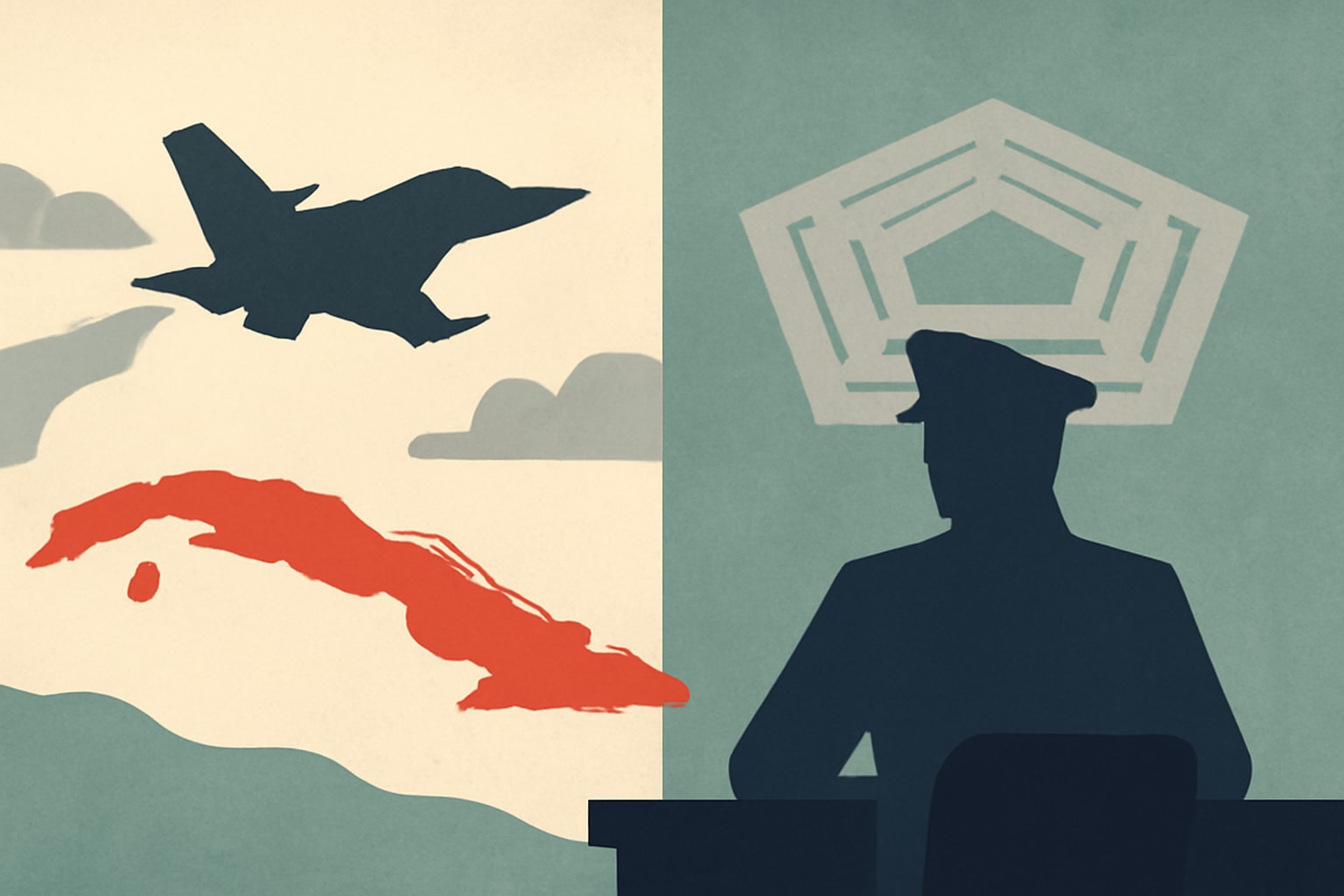
Cuba has issued a warning about a possible U.S. attack, while the Pentagon has refrained from commenting on military responses.
What's Happening
- •Cuba has warned of a possible attack by the United States as of April 16, 2026.
- •The Pentagon has not provided any comments regarding military options or responses.
- •Tensions between the U.S. and Cuba have been escalating in recent months.
Why It Matters
The situation between the U.S. and Cuba is critical for military readiness and international stability. Service members and their families must stay informed about these developments as they could impact deployment schedules and operational readiness.
What Changes Now
- •Military intelligence will likely increase monitoring of U.S.-Cuban relations. This heightened surveillance is essential for assessing potential threats and ensuring readiness.
- •Deployment schedules may be adjusted based on the evolving situation. Service members should be prepared for changes in assignments or increased readiness levels.
- •The Pentagon may engage in strategic discussions regarding military options. This could involve reassessing current military postures in response to Cuba's warning.
What to Watch
- •Official statements from the U.S. government regarding Cuba's warning are expected. These statements will clarify the U.S. stance and potential military responses.
- •Signs of military mobilization or increased activity in the region should be monitored closely. Such developments could indicate a shift in U.S. military strategy or readiness.
- •International reactions to the U.S.-Cuban tensions will be important to observe. Other nations may respond to the situation, influencing global diplomatic relations.
Get the Daily Briefing
Military and veteran news that actually affects you, in your inbox each morning.
More Context
- •Cuba's Warning and U.S. Response: On April 16, 2026, the Cuban government declared that a potential attack from the United States was possible. This warning signifies a notable escalation in tensions between the two nations, which have a long history of conflict. The Pentagon's refusal to comment on the warning or outline military options has left many observers questioning the U.S.'s strategic posture. The lack of communication from the U.S. government raises concerns about how Washington would react in the event of an escalation.
- •Historical Context of U.S.-Cuban Relations: Understanding the current situation requires a look back at the historical context of U.S.-Cuban relations. For decades, political hostility and economic sanctions have fostered a climate of distrust. Cuba perceives U.S. foreign policy as a threat to its sovereignty, citing previous interventions and covert actions. This backdrop informs Cuba's current threat assessment and its decision to issue a warning regarding a possible U.S. attack.
- •Implications of the Pentagon's Silence: The Pentagon's silence regarding Cuba's warning can be interpreted in multiple ways. It could suggest a desire to de-escalate tensions through diplomatic channels rather than military action. Alternatively, it might indicate that military options are under consideration but not publicly discussed to maintain strategic ambiguity. This ambiguity creates uncertainty, which could lead to miscalculations on either side, heightening the risk of escalation.
- •Potential Consequences for Military Personnel: For service members and their families, the situation underscores the unpredictable nature of global security. Increased tensions with Cuba may lead to heightened readiness levels or changes in deployment schedules. Military personnel should stay informed about geopolitical developments and be prepared for rapid deployment if necessary. The current climate emphasizes the importance of maintaining operational readiness in light of potential conflicts.
Veteran Take
For those who've served, the tension between the U.S. and Cuba is a stark reminder of the unpredictable nature of military life. We understand that silence from the Pentagon can be unsettling, as it leaves service members and their families in the dark about potential deployments and the safety of our nation. Veterans navigating this situation know all too well that geopolitical conflicts can quickly escalate, impacting not just military readiness but the lives of those who have sworn to protect our country.
The Daily Briefing
Military & veteran news that actually affects you — delivered every morning.
- Pay, benefits & policy changes
- Pentagon decisions that matter
- VA updates for veterans & families
- One email. No spam. Unsubscribe anytime.
Related Stories
- Army to Launch Project Gatekeeper to Speed Up Software Approvals— Federal News Network
- Pentagon Seeks $50 Billion for Mass Drone Production— Military Times
- Lynx XM30 Prototype Delivered to the Army for Evaluation— Military Times
- FN America Launches M240 Upgrade Kit for Enhanced Optics— Military Times