Cybersecurity: A Critical Component of Military Combat Effectiveness
As military capabilities evolve, the role of cybersecurity in ensuring combat readiness becomes increasingly vital.
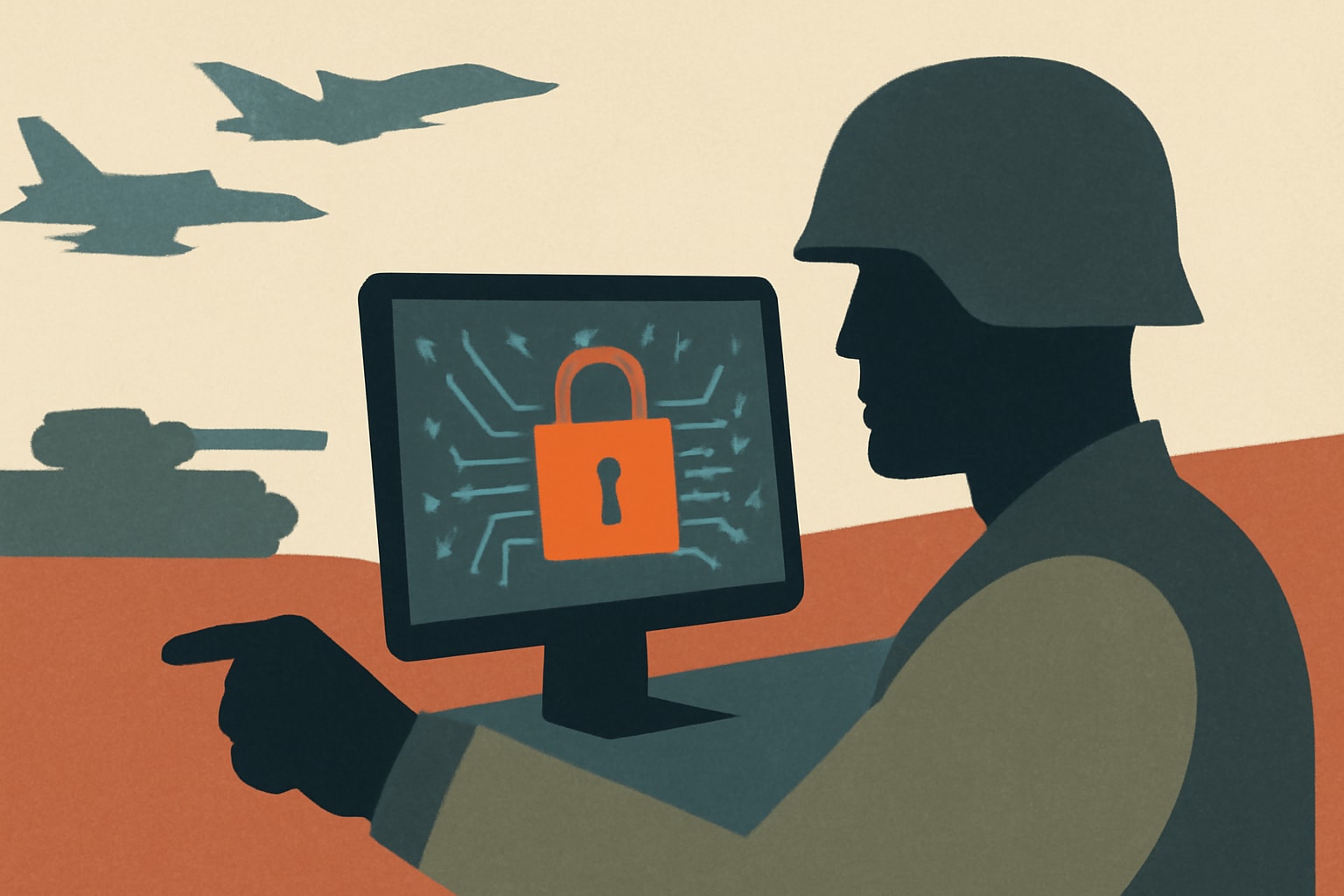
What's Happening
- •The military is reassessing the role of cybersecurity in combat effectiveness.
- •Recent discussions highlight that compliance alone does not ensure operational success.
- •Leaders are calling for a shift in focus towards integrating cybersecurity into overall military strategy.
Why It Matters
The integration of cybersecurity into military operations is crucial for maintaining combat effectiveness in an increasingly digital battlefield. As service members face evolving threats, understanding the significance of cybersecurity can enhance their operational readiness and safety.
What Changes Now
- •Military training programs will increasingly incorporate cybersecurity elements. This change means that service members will need to engage with new training modules focused on cyber threat assessment and response.
- •Units are encouraged to adopt a proactive approach to cybersecurity rather than merely complying with existing protocols. This shift will require personnel to be more vigilant and involved in cybersecurity practices during operations.
- •Cybersecurity drills will become a regular part of training exercises for combat units. This will help ensure that all service members are prepared to respond to cyber threats effectively.
What to Watch
- •Monitor upcoming military training directives that emphasize cybersecurity integration. These directives will outline new training requirements and timelines for implementation.
- •Watch for announcements regarding increased funding for cyber defense initiatives. This funding will likely affect resource allocation for training and technology upgrades.
- •Keep an eye on the development of new technologies in cybersecurity. Advancements in AI and machine learning could significantly impact how military personnel approach cyber threats.
Get the Daily Briefing
Military and veteran news that actually affects you, in your inbox each morning.
More Context
- •The Evolving Landscape of Military Operations: As military operations become increasingly reliant on technology, the importance of cybersecurity cannot be overstated. Cyber threats have evolved, posing significant risks to operational integrity and effectiveness. Service members, particularly those in cyber operations (17 series in the Army, for instance), must be equipped with the skills to navigate this complex environment. The integration of cybersecurity into military training and operational planning is essential to ensure that personnel can respond effectively to cyber threats.
- •Compliance vs. Combat Effectiveness: While compliance with cybersecurity protocols is necessary, it does not guarantee combat effectiveness. Military leaders are recognizing that a mere check-the-box approach to compliance can lead to vulnerabilities. For example, units like the 1st Cyber Protection Brigade must not only follow protocols but also actively engage in threat assessment and mitigation. This shift in mindset is crucial for maintaining a tactical advantage in modern warfare, where cyber capabilities can determine the outcome of engagements.
- •Practical Implications for Service Members: Active duty service members, especially those in technical roles such as 25B (Information Technology Specialist) or 17C (Cyber Operations Specialist), need to prioritize cybersecurity training. This includes understanding emerging threats and how to implement defensive measures effectively. Additionally, units should incorporate cybersecurity drills into their regular training schedules to prepare for potential cyber incidents. By fostering a culture of proactive cybersecurity awareness, the military can enhance its overall combat readiness.
- •Looking Ahead: The Future of Cybersecurity in the Military: As military operations continue to evolve, the focus on cybersecurity will only intensify. Upcoming initiatives include increased funding for cyber defense programs and the integration of advanced technologies like artificial intelligence in threat detection. Service members should stay informed about these developments, as they will directly impact training requirements and operational procedures. The military's ability to adapt to these changes will be critical in maintaining a strategic edge over adversaries.
Frequently Asked Questions
How does cybersecurity training affect my military career?
Cybersecurity training is becoming essential for various military roles, particularly in technical fields. Enhanced skills in this area can lead to better job performance and career advancement opportunities.
Will my unit participate in cybersecurity drills?
Yes, units are increasingly required to incorporate cybersecurity drills into their training schedules to prepare for potential cyber incidents.
What resources are available for learning about cybersecurity?
Service members can access training modules through their respective branches' online learning platforms and attend workshops focused on cybersecurity practices.
The Daily Briefing
Military & veteran news that actually affects you — delivered every morning.
- Pay, benefits & policy changes
- Pentagon decisions that matter
- VA updates for veterans & families
- One email. No spam. Unsubscribe anytime.
Related Stories
- Iran Conflict Redefines Cybersecurity Threat Landscape— Federal News Network
- AFOSI Seeks Enlisted Airmen to Train as Special Agents— Air & Space Forces Magazine
- NORTHCOM Concludes Radar Test to Enhance Arctic Early Warning Capabilities— Air & Space Forces Magazine
- Air Force and Space Force Urge AI Adoption Despite Challenges— Air & Space Forces Magazine