Coast Guard Seeks More Fast Boats and Boarding Parties as Demand Surges
The Coast Guard aims to enhance its capabilities in response to increasing drug interdiction needs.
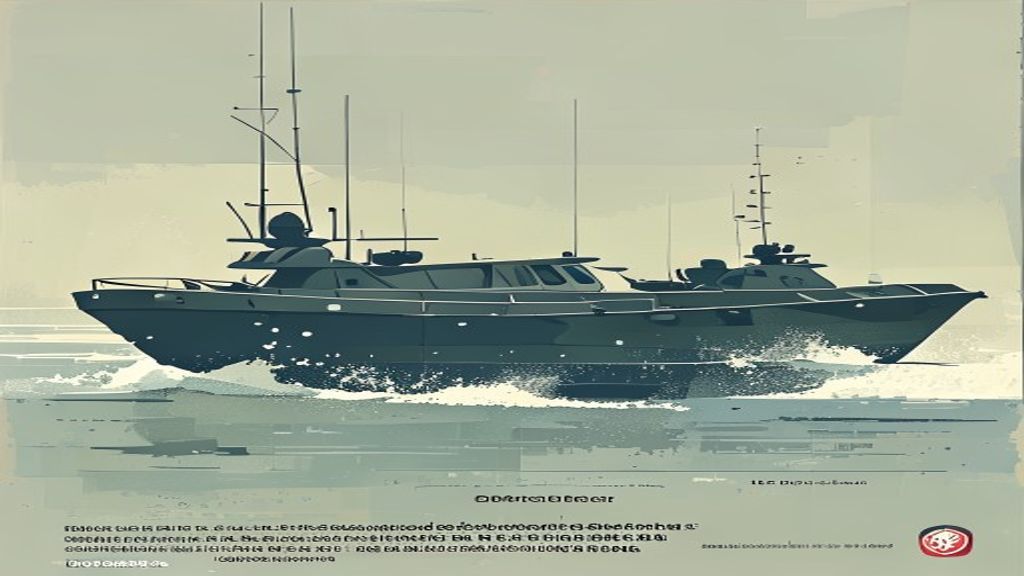
What's Happening
- •The Coast Guard is requesting additional fast boats to enhance its operational capabilities.
- •Demand for specialized interdiction teams has significantly increased due to rising drug trafficking.
- •President Trump has labeled drug cartels as terrorists, impacting Coast Guard operations.
Why It Matters
The Coast Guard's expansion of its fast boat and boarding party capabilities directly affects service members' roles and responsibilities. As drug trafficking becomes a more pressing issue, the operational demands on the Coast Guard will increase, impacting both active duty and reserve personnel.
What Changes Now
- •The Coast Guard is increasing its request for fast boats to enhance operational capabilities. This change will provide more resources for drug interdiction missions, impacting how personnel are deployed.
- •Specialized interdiction teams will see a rise in operational tempo due to heightened demand. This will require additional training and readiness from active duty and reserve members.
- •The designation of drug cartels as terrorists will shape the Coast Guard's operational focus. This could lead to shifts in mission priorities, affecting daily duties for service members.
What to Watch
- •Upcoming budget proposals will detail funding for new vessels and operational enhancements. These proposals will be critical in determining how quickly the Coast Guard can implement its expansion plans.
- •The Coast Guard's strategic plan for the next five years will outline priorities and expected outcomes. Service members should monitor this plan for insights into future operational changes.
- •Changes in training requirements for personnel involved in drug interdiction operations will be announced soon. This will affect both active and reserve members, necessitating adjustments in their current training schedules.
Get the Daily Briefing
Military and veteran news that actually affects you, in your inbox each morning.
More Context
- •Increased Demand for Coast Guard Operations: The Coast Guard has observed a marked increase in the need for its specialized interdiction teams. This uptick is largely driven by heightened drug trafficking activities, prompting the service to expand its operational capabilities. With the designation of drug cartels as terrorist organizations, the stakes for interdiction operations have risen, necessitating a more robust response from the Coast Guard. This expansion is not just about quantity; it also involves enhancing the quality and effectiveness of existing operations.
- •Implications for Active Duty Personnel: Active duty personnel, particularly those in the Operations Specialist (OS) and Maritime Enforcement Specialist (ME) ratings, will likely see an increase in deployment opportunities. The demand for fast boats and boarding parties means that these service members may face more frequent and intense operational scenarios. This change could lead to additional training requirements and a shift in focus towards drug interdiction missions, impacting their daily responsibilities and career trajectories.
- •What This Means for Reserve and Guard Members: Members of the Coast Guard Reserve and the National Guard may also be affected by this expansion. As operational tempo increases, there could be more opportunities for activation and mobilization to support these missions. This could lead to changes in training schedules and a need for additional resources to prepare for potential deployments, impacting their civilian lives and commitments.
- •Future Developments to Monitor: As the Coast Guard moves forward with its expansion plans, service members should keep an eye on budget allocations and procurement timelines for new vessels. The upcoming budget proposal, expected in the next fiscal cycle, will outline specific funding for fast boats and equipment upgrades. Additionally, the Coast Guard's strategic plan for the next five years will provide insights into how these changes will be implemented and the expected impact on personnel and operations.
Frequently Asked Questions
Does this affect Guard members on Title 10 orders?
Yes, Guard members on Title 10 orders may be activated for increased drug interdiction missions as the Coast Guard expands its operations.
Will my BAH change if I move duty stations mid-year?
Your Basic Allowance for Housing (BAH) may change if you move duty stations mid-year, depending on the location and your new duty assignment.
Veteran Take
For those who've served in the Coast Guard, the call for more fast boats and boarding parties is a reminder of the ever-evolving challenges we face in safeguarding our waters. As drug trafficking intensifies, the pressure on our service members will grow, demanding not just more resources but also greater commitment from both active and reserve personnel. Veterans navigating this reality understand the weight of these responsibilities and the critical role we play in protecting our communities.
The Daily Briefing
Military & veteran news that actually affects you — delivered every morning.
- Pay, benefits & policy changes
- Pentagon decisions that matter
- VA updates for veterans & families
- One email. No spam. Unsubscribe anytime.
Related Stories
- U.S. Army Confirms 19th Service Member Death in Iran Conflict— Military Times
- Collaborative Combat Aircraft Production Set to Increase Amid 2027 Budget Uncertainty— Air & Space Forces Magazine
- US Air Force to Modernize Tanker Fleet for Decades Ahead— Military Times
- US Navy to Maintain Electromagnetic Catapults on Newest Carriers— Military Times