Coast Guard Medevacs Mariner at Sea With Severe Infection to Puerto Rico Hospital
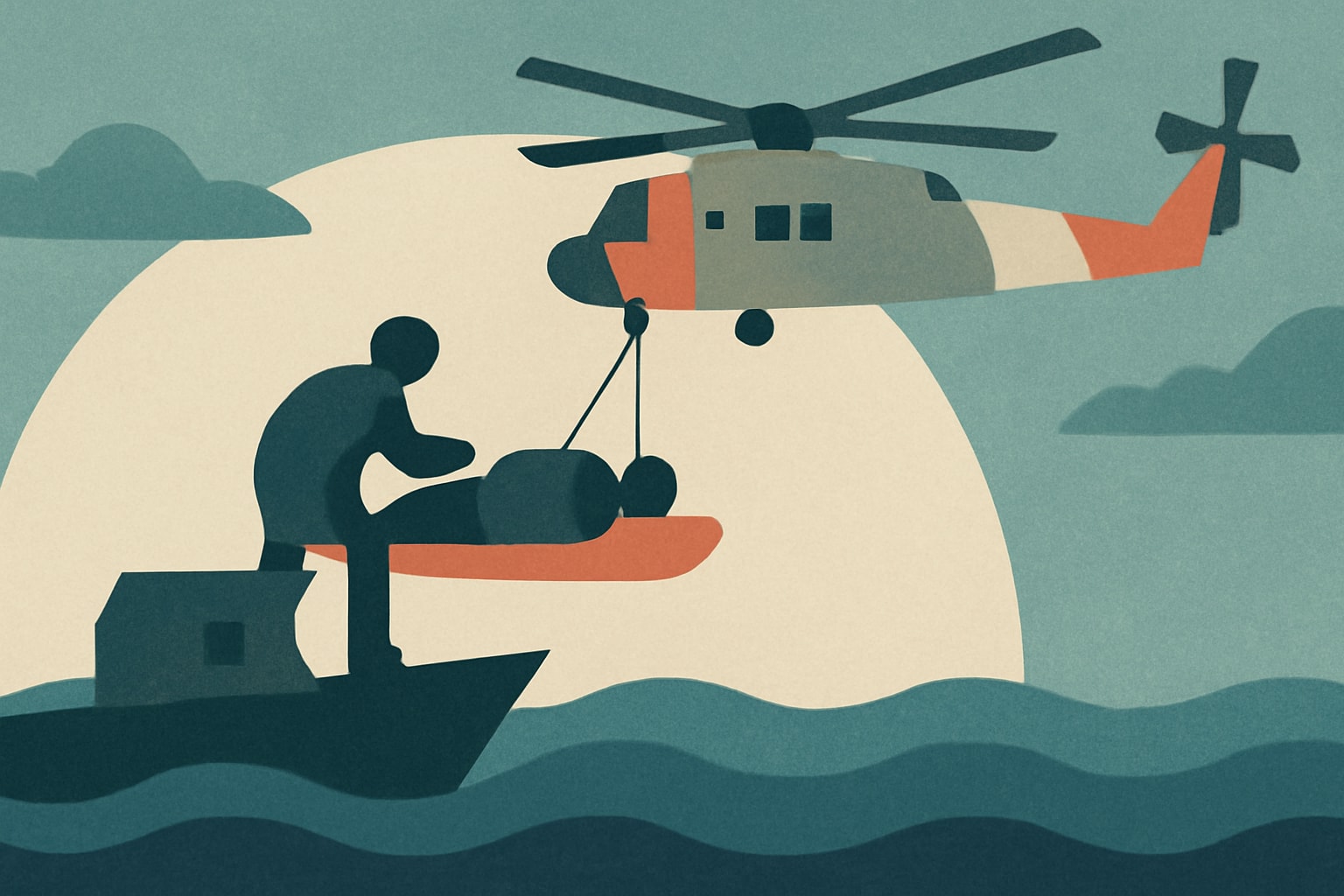
A mariner faced the risk of losing a limb before being rescued and transported to a hospital in Puerto Rico.
What's Happening
- •The Coast Guard conducted a medevac operation for a mariner suffering from a severe infection.
- •The rescue took place in waters near Puerto Rico, where the individual was at risk of losing a lower extremity.
- •Service officials confirmed the urgency of the situation, emphasizing the need for timely medical intervention.
Why It Matters
This incident highlights the Coast Guard's vital role in ensuring the safety of mariners and the effectiveness of emergency medical responses. For military personnel and veterans in maritime roles, understanding the protocols and risks associated with sea operations is crucial for maintaining safety and health.
What Changes Now
- •The Coast Guard's response protocols may be reviewed to enhance efficiency in future medevac operations. This could lead to improved training for personnel on emergency medical situations.
- •Mariners should be reminded of the importance of reporting health issues immediately. Early reporting can prevent complications and ensure timely medical assistance.
- •Active-duty service members may receive updated guidance on health monitoring while at sea. This guidance will help ensure that personnel are aware of the signs and symptoms that require urgent care.
What to Watch
- •Watch for updates on the mariner's recovery and the medical interventions provided. This may provide insights into the effectiveness of the Coast Guard's emergency response.
- •Monitor any changes in Coast Guard protocols regarding maritime health emergencies. These updates could impact how future incidents are handled.
- •Keep an eye on training initiatives for Coast Guard personnel following this incident. Enhanced training may be implemented to better prepare crews for similar emergencies.
Get the Daily Briefing
Military and veteran news that actually affects you, in your inbox each morning.
More Context
- •Details of the Medevac Operation: On September 21, 2026, the Coast Guard received a distress call regarding a mariner who was experiencing a severe infection while at sea. The situation escalated quickly, as officials determined that without immediate medical intervention, the mariner risked losing a lower extremity. A helicopter was dispatched to the scene, showcasing the Coast Guard's rapid response capabilities in maritime emergencies. Upon arrival, the crew successfully hoisted the mariner aboard and transported him to a hospital in Puerto Rico for further treatment.
- •Importance of Timely Medical Response: This incident underscores the critical role of timely medical responses in maritime operations, especially for those working far from shore. For active-duty personnel and mariners alike, understanding the protocols for emergency situations can be a matter of life and death. The Coast Guard's ability to respond quickly not only saves lives but also highlights the importance of training and preparedness for all service members involved in maritime operations.
- •Implications for Service Members: Service members, particularly those in maritime roles, should be aware of the risks associated with prolonged exposure at sea. This incident serves as a reminder of the potential health hazards that can arise and the importance of having a solid emergency plan in place. Active-duty personnel in the Navy and Coast Guard, especially those serving on vessels, must remain vigilant about their health and seek immediate assistance if they experience any concerning symptoms while at sea.
Frequently Asked Questions
What should I do if I get sick while at sea?
Immediately report your symptoms to your commanding officer or medical personnel on board to ensure timely care.
Are there emergency protocols for maritime operations?
Yes, the Coast Guard and Navy have established protocols for medical emergencies at sea, which all personnel should be familiar with.
How can I prepare for health emergencies while deployed?
Stay informed about health risks, monitor your health regularly, and know the emergency procedures for your vessel.
The Daily Briefing
Military & veteran news that actually affects you — delivered every morning.
- Pay, benefits & policy changes
- Pentagon decisions that matter
- VA updates for veterans & families
- One email. No spam. Unsubscribe anytime.
Related Stories
- SOCOM Launches Nutrition App to Enhance Performance and Lethality— Military Times
- SDA Plans Two More Launches by Year-End to Complete Tranche 1 by 2027— Federal News Network
- Newport News Navy Barracks to Receive $1.7 Billion Upgrade— Military Times
- 8 Air Force Movies and Shows to Stream for Its 79th Birthday— Military.com