Coast Guard Commandant Lunday Warns of TBI Risk From High-Speed Craft
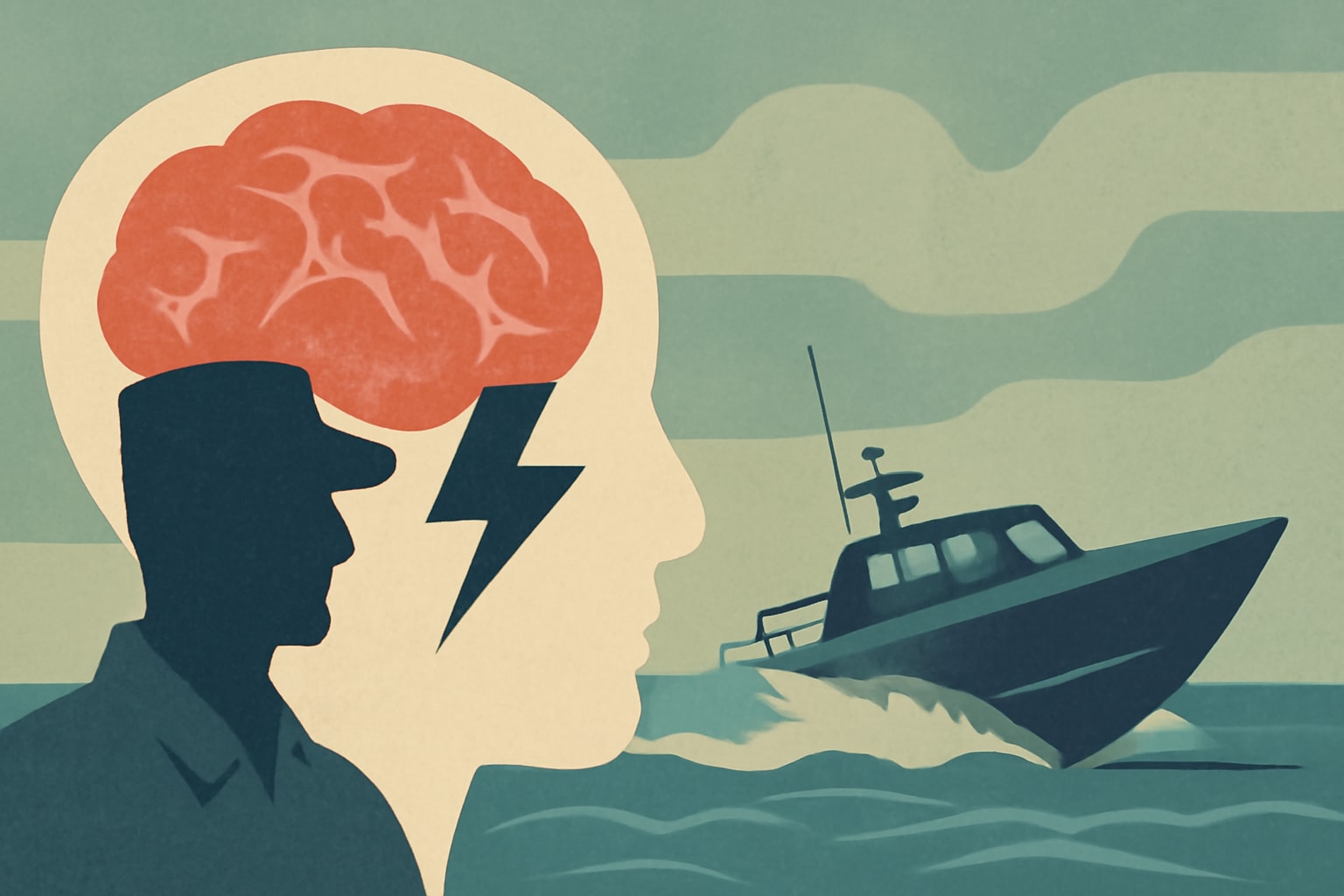
Commandant Lunday emphasizes the dangers of traumatic brain injuries from high-speed operations in the Coast Guard.
What's Happening
- •Coast Guard Commandant Lunday has raised concerns about traumatic brain injuries (TBI) linked to high-speed craft operations.
- •The warning comes in light of increasing incidents of concussion-related injuries among personnel.
- •Lunday pointed to factors like wave impacts and blast overpressure as significant contributors to TBI risks.
Why It Matters
The warning from Commandant Lunday highlights a critical health issue facing Coast Guard personnel, particularly those involved in high-speed operations. Understanding the risks associated with TBI is vital for maintaining the operational readiness of service members and ensuring their long-term health, which is a priority for both active duty and veteran communities.
What Changes Now
- •The Coast Guard is enhancing training for personnel on high-speed crafts. This training will emphasize recognizing TBI symptoms and the importance of timely reporting.
- •New protective measures and equipment are being evaluated to reduce the risk of TBI. This is crucial for ensuring the safety of service members during operations.
- •Updated guidelines on TBI prevention and management will be released in the coming months. These guidelines will provide essential information for both current personnel and veterans.
What to Watch
- •The Coast Guard's updated TBI prevention guidelines are expected in six months. These guidelines will set new standards for training and reporting procedures.
- •Ongoing research into TBI effects in maritime operations will influence future policy changes. This research is critical for understanding the long-term implications of TBI on service members.
- •The introduction of new protective equipment will be closely monitored. This equipment aims to mitigate the risks associated with high-speed operations.
Get the Daily Briefing
Military and veteran news that actually affects you, in your inbox each morning.
More Context
- •Understanding TBI Risks in High-Speed Operations: The Coast Guard's operations often involve high-speed vessels that can expose crew members to significant physical stressors. Commandant Lunday highlighted that the relentless pounding from waves and the effects of blast overpressure can lead to serious health issues, particularly traumatic brain injuries. These injuries can have long-term consequences, affecting not only the immediate health of service members but also their operational readiness and career longevity. As the Coast Guard continues to modernize its fleet, understanding and mitigating these risks becomes critical.
- •Who is Affected by TBI Risks?: Active duty personnel operating high-speed crafts, particularly those in the boatswain's mate (BM) and maritime enforcement specialist (ME) ratings, are at heightened risk for TBIs. These service members often engage in high-stress, high-speed operations that can lead to repeated exposure to concussive forces. Additionally, veterans who have transitioned from these roles may also experience lingering effects from past injuries, making this a significant concern for both current and former Coast Guard members.
- •Immediate Changes and Recommendations: In response to these concerns, the Coast Guard is implementing enhanced training protocols for personnel operating high-speed crafts. This training will focus on recognizing the symptoms of TBI and understanding the importance of reporting injuries promptly. Furthermore, the Coast Guard is exploring better protective equipment and vessel designs that can minimize the impact of wave and blast forces on crew members. These changes are crucial for ensuring the safety and well-being of service members in the field.
- •What to Watch for Moving Forward: The Coast Guard plans to release updated guidelines regarding TBI prevention and management within the next six months. These guidelines will be essential for ensuring that all personnel are aware of the risks and the measures they can take to protect themselves. Additionally, ongoing research into the long-term effects of TBI in maritime operations is expected to inform future policy changes and training programs. Service members should stay informed about these developments to better understand how they may be affected.
Frequently Asked Questions
Does this affect Guard members on Title 10 orders?
Yes, any Coast Guard member, including those on Title 10 orders, is subject to the same TBI risks during high-speed operations.
Will my medical benefits cover TBI treatment?
Yes, service members and veterans can access medical benefits for TBI treatment through the VA and military healthcare systems.
What should I do if I suspect I have a TBI?
If you suspect a TBI, report your symptoms to your commanding officer and seek medical evaluation as soon as possible.
The Daily Briefing
Military & veteran news that actually affects you — delivered every morning.
- Pay, benefits & policy changes
- Pentagon decisions that matter
- VA updates for veterans & families
- One email. No spam. Unsubscribe anytime.
Related Stories
- Pentagon Launches AI Pilot Program to Manage Sensitive Information— DefenseScoop
- US Military Faces Over $3 Billion in Equipment Losses from Iran War— Task & Purpose
- Boeing Locks in 7-Year Deal to Triple PAC-3 MSE Seeker Output— Military Times
- Troops Will Get a Day Off to Vote or Register for November Elections— Task & Purpose