CENTCOM Transforms into a Testing Ground for Unmanned Systems
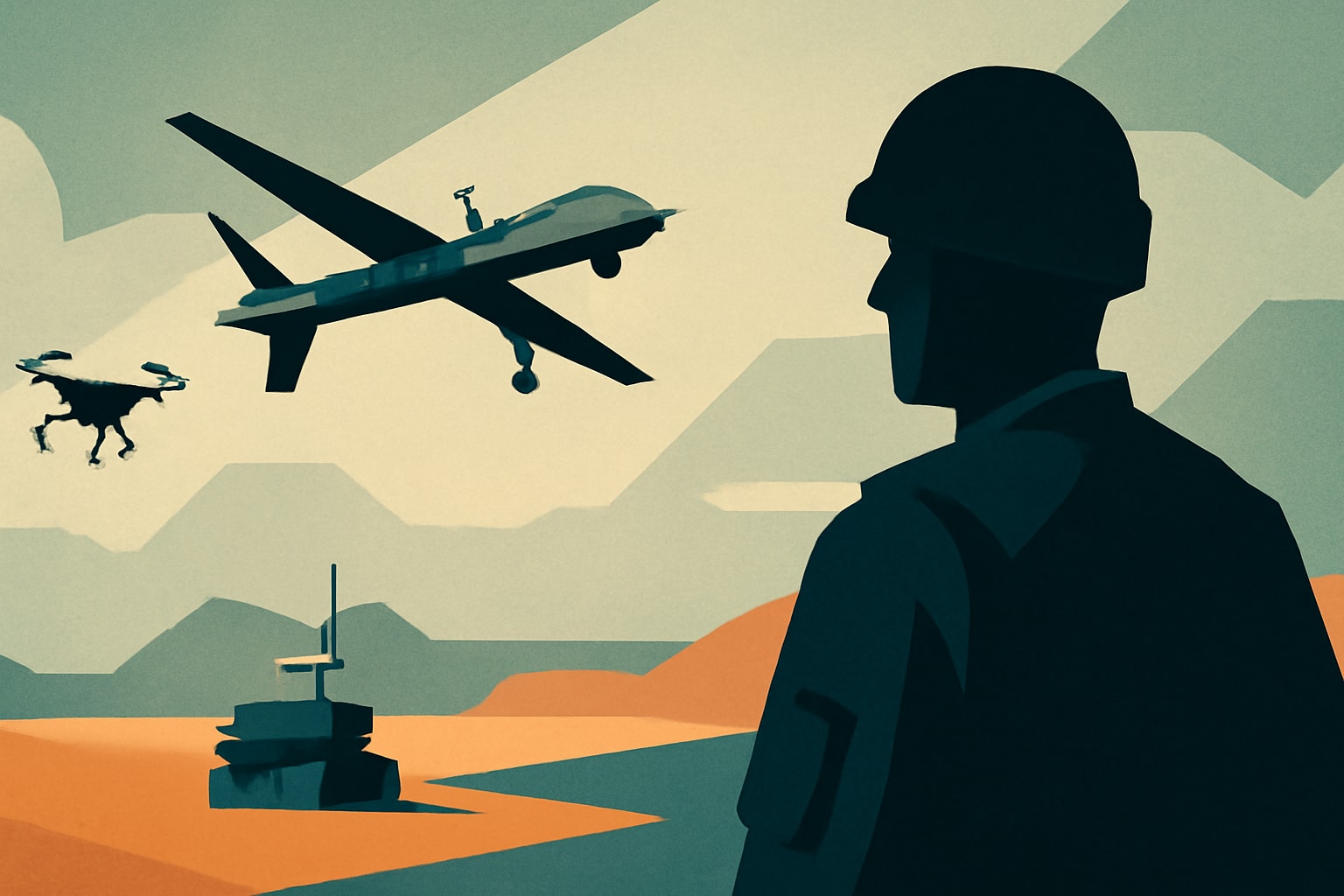
CENTCOM is rapidly evolving its use of unmanned systems from testing to active military applications.
What's Happening
- •CENTCOM is integrating unmanned systems into active military operations.
- •This shift marks a transition from experimentation to real-world application.
- •Unmanned systems are being utilized for intelligence, surveillance, and reconnaissance.
Why It Matters
The shift towards unmanned systems in CENTCOM operations signifies a major change in military strategy, emphasizing the importance of technology in modern warfare. For service members and veterans, understanding these developments is crucial as they may impact future operations, training requirements, and career paths within the military.
What Changes Now
- •Training protocols for unmanned systems will be updated to reflect their new operational role. This means that service members will need to engage in additional training sessions to become proficient in these technologies.
- •The deployment of unmanned systems in active combat zones will increase, providing new capabilities for intelligence and reconnaissance. This change is significant as it allows for safer operations while enhancing mission effectiveness.
- •Units will be required to integrate unmanned systems into their standard operating procedures. This integration will require collaboration between different military branches and specialties.
What to Watch
- •New Department of Defense guidelines on unmanned systems are expected within the next year. These guidelines will clarify the operational parameters and training requirements for service members.
- •Advancements in unmanned technology will be monitored closely, as they may lead to new applications within military operations. Keeping abreast of these developments will be essential for those involved in defense strategy.
- •The potential for expanded use of unmanned systems in other military branches will be a key area of interest. This could lead to a more unified approach to unmanned operations across the armed forces.
Get the Daily Briefing
Military and veteran news that actually affects you, in your inbox each morning.
More Context
- •The Evolution of Unmanned Systems in CENTCOM: Over the past few years, the Central Command (CENTCOM) has shifted its strategy regarding unmanned systems. Initially viewed as experimental tools, these systems are now being deployed in active combat zones. This evolution reflects the military's recognition of the strategic advantages that unmanned systems provide, particularly in terms of reducing risk to personnel while enhancing operational capabilities.
- •Operational Impact on Service Members: The integration of unmanned systems into CENTCOM operations significantly impacts various service members, particularly those in combat arms and intelligence roles. For example, Active duty E-5 to E-7 infantry soldiers may find their roles evolving as unmanned systems take on more reconnaissance tasks. This shift requires these service members to adapt to new technologies and operational procedures, which may include additional training on unmanned systems.
- •Training and Implementation Changes: As unmanned systems become integral to military operations, training protocols will also change. Units will need to incorporate unmanned systems training into their regular exercises, ensuring that personnel are proficient in operating and coordinating these technologies. This change is particularly relevant for 35F intelligence analysts and 15W unmanned aircraft systems operators, who will be at the forefront of this transition.
- •Future Developments to Monitor: Looking ahead, service members and defense stakeholders should keep an eye on upcoming policy changes regarding unmanned systems. The Department of Defense is expected to release new guidelines on the deployment and use of these systems within the next year. Additionally, advancements in technology may lead to further integration of unmanned systems into other branches of the military, broadening their operational scope.
Frequently Asked Questions
Does this affect Guard members on Title 10 orders?
Yes, Guard members on Title 10 orders may be involved in operations utilizing unmanned systems, especially if deployed to CENTCOM.
Will my training change if I work with unmanned systems?
Yes, training will be updated to include proficiency in unmanned systems, which will be essential for your role.
How will unmanned systems impact my deployment?
Unmanned systems will likely change the nature of deployments, focusing more on technology-driven operations and less on traditional combat roles.
The Daily Briefing
Military & veteran news that actually affects you — delivered every morning.
- Pay, benefits & policy changes
- Pentagon decisions that matter
- VA updates for veterans & families
- One email. No spam. Unsubscribe anytime.
Related Stories
- Navy Reorganizes Public Works Team to Speed Up Repairs— Federal News Network
- Pentagon Introduces New Warfighter Evaluation for Officer Promotions— Military Times
- 8 Air Force Movies and Shows to Stream for Its 79th Birthday— Military.com
- Retired Generals Urge Trust in U.S. Elections— Navy Times