Gen. Dan Caine: US Military Must Prepare for Real-Time Tracking in Future Conflicts
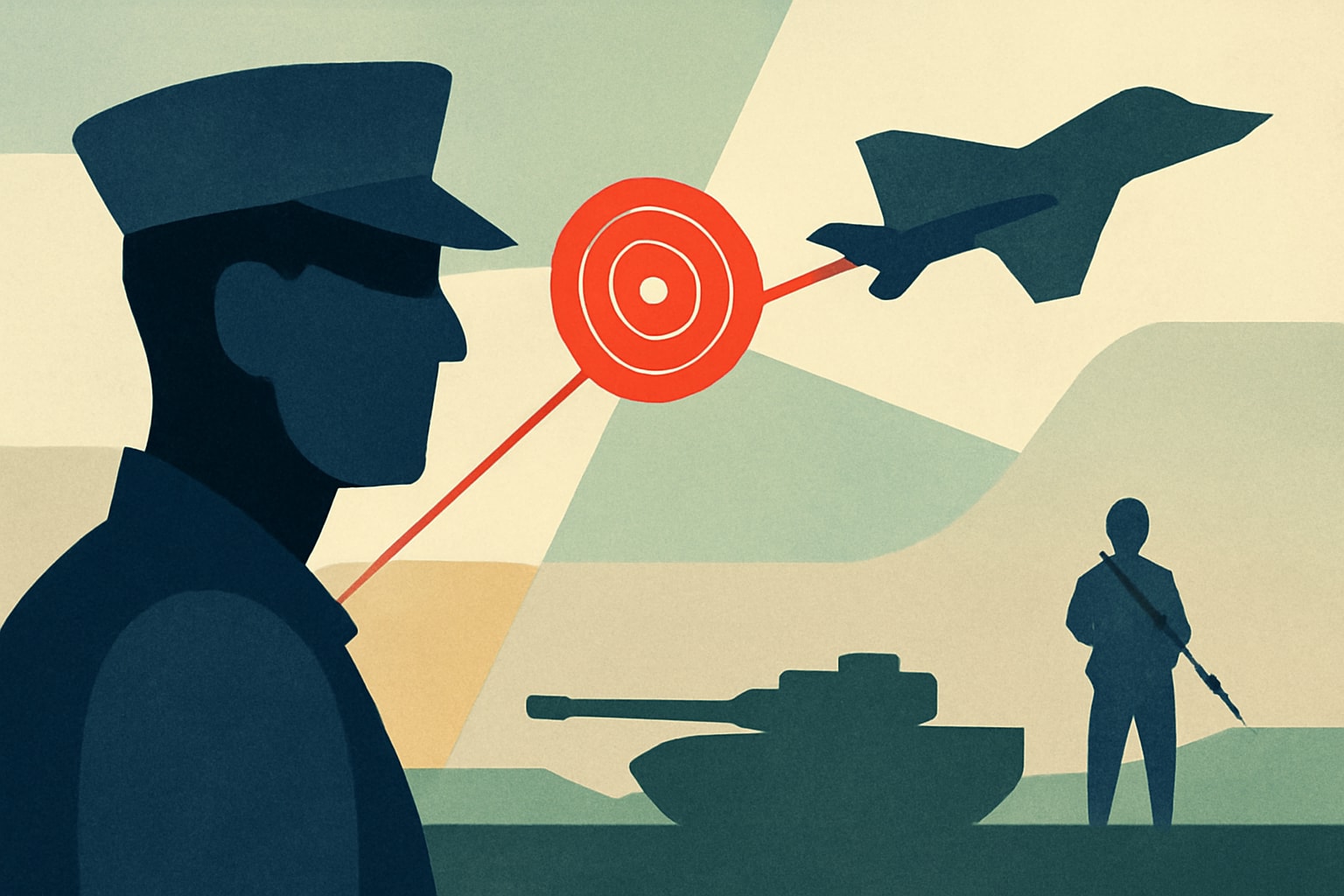
Gen. Dan Caine warns that adversaries will track US forces closely and utilize AI-driven autonomous systems in future warfare.
What's Happening
- •Gen. Dan Caine highlighted the need for the US military to prepare for adversaries tracking forces in real-time.
- •He emphasized the increasing use of autonomous systems powered by artificial intelligence in warfare.
- •The remarks come as military strategies evolve to counter advanced tracking technologies.
Why It Matters
Gen. Caine's warning highlights a significant shift in military strategy that directly impacts how service members prepare for future conflicts. Understanding the implications of real-time tracking and AI technology is crucial for maintaining operational security and effectiveness on the battlefield.
What Changes Now
- •Military training programs will begin incorporating new tactics to counteract real-time tracking. This change will focus on minimizing visibility and enhancing operational security for all combat units.
- •Increased funding may be allocated for research into countermeasures against AI-driven autonomous systems. This funding will support the development of technologies that can disrupt enemy tracking capabilities.
- •Units may adopt new protocols for movement and communication to reduce the risk of detection. These protocols will emphasize stealth and operational security during missions.
What to Watch
- •Upcoming military exercises will likely test new tactics against tracking technologies. These exercises will provide insights into the effectiveness of current strategies and highlight areas for improvement.
- •The development of new autonomous systems by adversaries will be closely monitored. Understanding these advancements will inform US military responses and adaptations.
- •Policy discussions within the Pentagon regarding funding for counter-AI initiatives will be crucial. Decisions made in these discussions will shape the future capabilities of US forces.
Get the Daily Briefing
Military and veteran news that actually affects you, in your inbox each morning.
More Context
- •The Evolving Battlefield: As conflicts become increasingly sophisticated, the ability to track military forces in real-time is becoming a critical concern. Gen. Caine's statements reflect a growing recognition that adversaries are investing in technologies that can monitor troop movements and logistics with unprecedented accuracy. This shift necessitates a reevaluation of current military tactics and strategies to ensure that US forces can operate effectively in environments where they are constantly under surveillance. The integration of artificial intelligence into autonomous systems further complicates this landscape, as these technologies can make rapid decisions based on real-time data.
- •Implications for Military Readiness: For service members, particularly those in combat roles such as infantry and armored divisions, this shift could mean a change in operational procedures. Units may need to adopt new tactics that minimize their visibility and reduce the effectiveness of enemy tracking systems. Additionally, training programs will likely need to incorporate lessons on countering AI-driven threats. This evolving battlefield dynamic underscores the importance of adaptability and innovation within military ranks, as personnel must be prepared to face adversaries that leverage advanced technologies.
- •Strategic Recommendations: In light of these developments, military leadership may consider implementing several strategic changes. First, enhancing cyber capabilities to protect against surveillance and tracking technologies will be vital. Second, investing in research and development of countermeasures against AI-driven systems can provide a tactical advantage. Finally, fostering a culture of continuous learning and adaptation among service members will be essential to maintain operational effectiveness. These recommendations aim to ensure that the US military remains a step ahead of its adversaries in an increasingly complex warfare environment.
Frequently Asked Questions
How will this affect my training as a combat arms soldier?
Training will increasingly incorporate tactics to counter real-time tracking, focusing on stealth and operational security.
Are there new technologies being developed to protect against AI threats?
Yes, the military is investing in research to develop countermeasures against AI-driven autonomous systems.
What changes can I expect in military operations?
Expect new protocols for movement and communication that prioritize minimizing visibility to avoid detection.
The Daily Briefing
Military & veteran news that actually affects you — delivered every morning.
- Pay, benefits & policy changes
- Pentagon decisions that matter
- VA updates for veterans & families
- One email. No spam. Unsubscribe anytime.
Related Stories
- Critics Warn AI Military Targeting Could Outpace Human Oversight— Military Times
- Space Force Enhances Capabilities for Tracking Moving Targets— Air & Space Forces Magazine
- Covenant to Build Cruise Missiles in Germany at Lower Costs— Military.com
- Marine Corps Offering Up to $15,000 for Enlisting in Cyber and Electronic Fields— Task & Purpose