Boeing Lands Chinook Helicopter Without a Pilot at the Controls
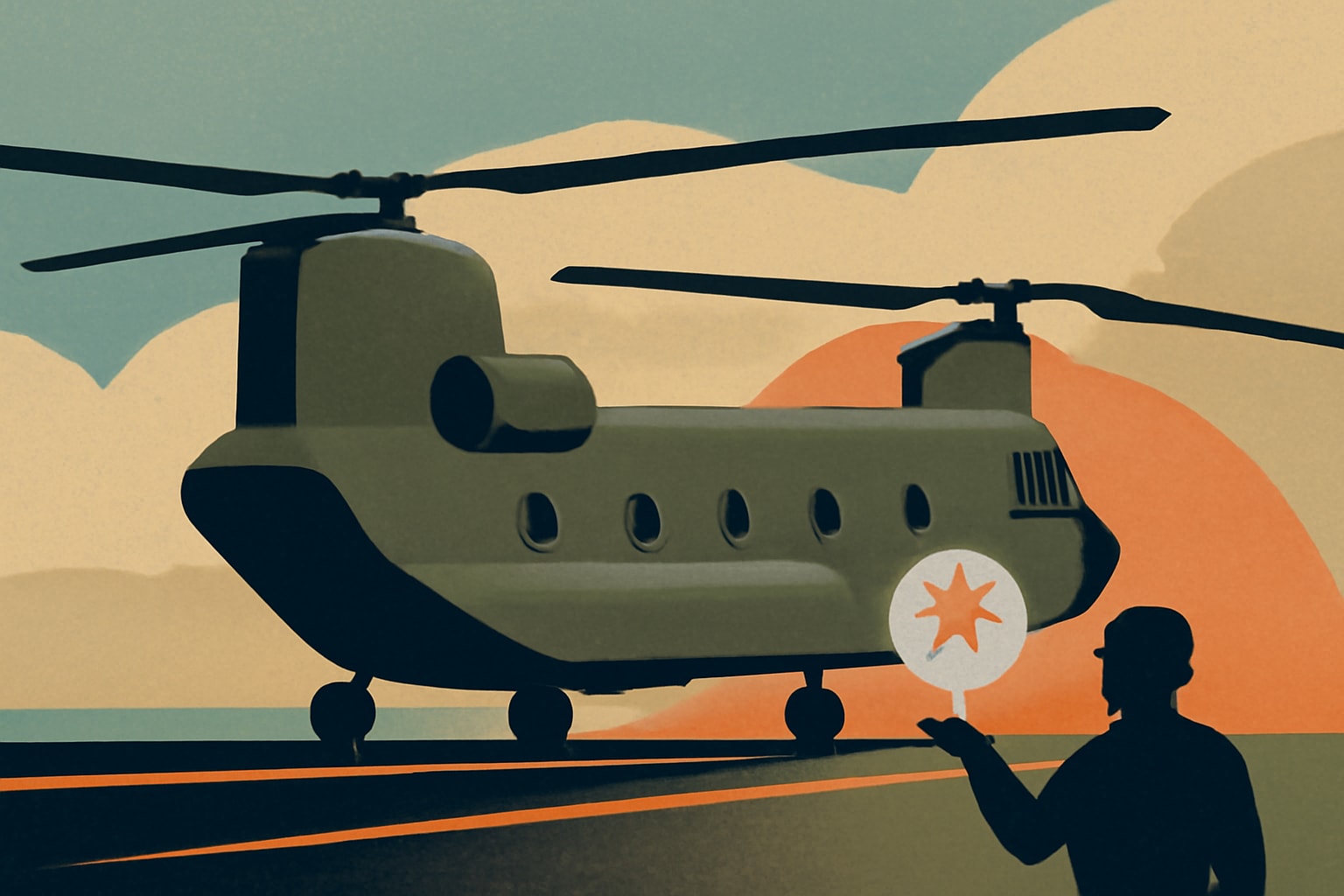
Boeing's A2X software successfully guided an Army CH-47 Chinook through an autonomous landing, showcasing advancements in military aviation technology.
What's Happening
- •Boeing's A2X software autonomously guided a CH-47 Chinook helicopter during its landing.
- •The test marks a significant advancement in autonomous military aviation technology.
- •This successful landing could pave the way for future unmanned military operations.
Why It Matters
The successful autonomous landing of a Chinook helicopter is a significant milestone in military aviation technology. For service members and defense stakeholders, this advancement could lead to safer operations and a redefined role for pilots in future military missions.
What Changes Now
- •The successful demonstration of autonomous landing technology indicates a shift in military aviation practices. This could lead to increased research and funding for similar technologies.
- •Military operations may begin to incorporate more unmanned systems, reducing the need for human pilots in certain missions. This change could impact training programs and career paths for current and future pilots.
- •Logistical operations may see the introduction of autonomous aircraft for supply missions. This could streamline operations and reduce risks associated with manned flights in hostile environments.
What to Watch
- •Further testing of the A2X software is planned by the U.S. Army. These tests will assess the technology's reliability and effectiveness in various operational scenarios.
- •Boeing's integration of autonomous technology into other aircraft is on the horizon. This could expand the use of unmanned systems across different branches of the military.
- •Regulatory discussions regarding the use of autonomous systems in military operations are expected. Decisions made in these discussions will shape the future of military aviation.
Get the Daily Briefing
Military and veteran news that actually affects you, in your inbox each morning.
More Context
- •Advancements in Autonomous Technology: Boeing's recent test of its A2X software represents a breakthrough in the field of autonomous aviation. The software was able to control an Army CH-47 Chinook helicopter from the final approach to landing without any human intervention. This development not only highlights the capabilities of modern technology but also indicates a shift in how military operations may be conducted in the future. Autonomous systems like these could reduce the risks to pilots in combat zones, allowing for safer operations.
- •Military Implications: The successful autonomous landing of the Chinook has significant implications for military operations. With the ability to operate without a pilot, these helicopters could be deployed in high-risk environments where human lives are at stake. This technology could also enhance logistical support, allowing for supplies and equipment to be delivered to remote or dangerous locations without endangering personnel. As the military explores these advancements, it may lead to a reevaluation of pilot roles and training requirements.
- •Future Developments to Watch: As Boeing continues to refine its A2X software, there are several key developments to monitor. The U.S. Army is expected to conduct further tests to evaluate the reliability and effectiveness of autonomous systems in various scenarios. Additionally, the integration of this technology into other aircraft could expand its applications beyond the Chinook. Stakeholders will be watching closely for updates on regulatory approvals and potential fielding timelines for these advanced systems.
Veteran Take
For those who've served, the autonomous landing of a Chinook helicopter represents both a remarkable technological leap and a potential shift in how we view our roles in aviation. While advancements like these can enhance safety and efficiency, they also prompt us to consider what it means for the future of piloting and the invaluable skills we’ve honed over the years. Veterans navigating this evolving landscape will need to adapt, but we must also ensure that the human element remains central in our missions.
The Daily Briefing
Military & veteran news that actually affects you — delivered every morning.
- Pay, benefits & policy changes
- Pentagon decisions that matter
- VA updates for veterans & families
- One email. No spam. Unsubscribe anytime.
Related Stories
- Watchdog Report Reveals Security Flaws in Pentagon Wireless Services— Task & Purpose
- Marine Corps Invests $19.25 Million in Electric Seaglider Technology— Military.com
- US Army Enhances Combat Care Strategies in the Indo-Pacific— Military Times
- Pentagon Seeks Expertise to Develop Brain Injury Assessment Standards— Military Times