US Army’s New Combat Care Plans Focus on Blood Supplies and Tech
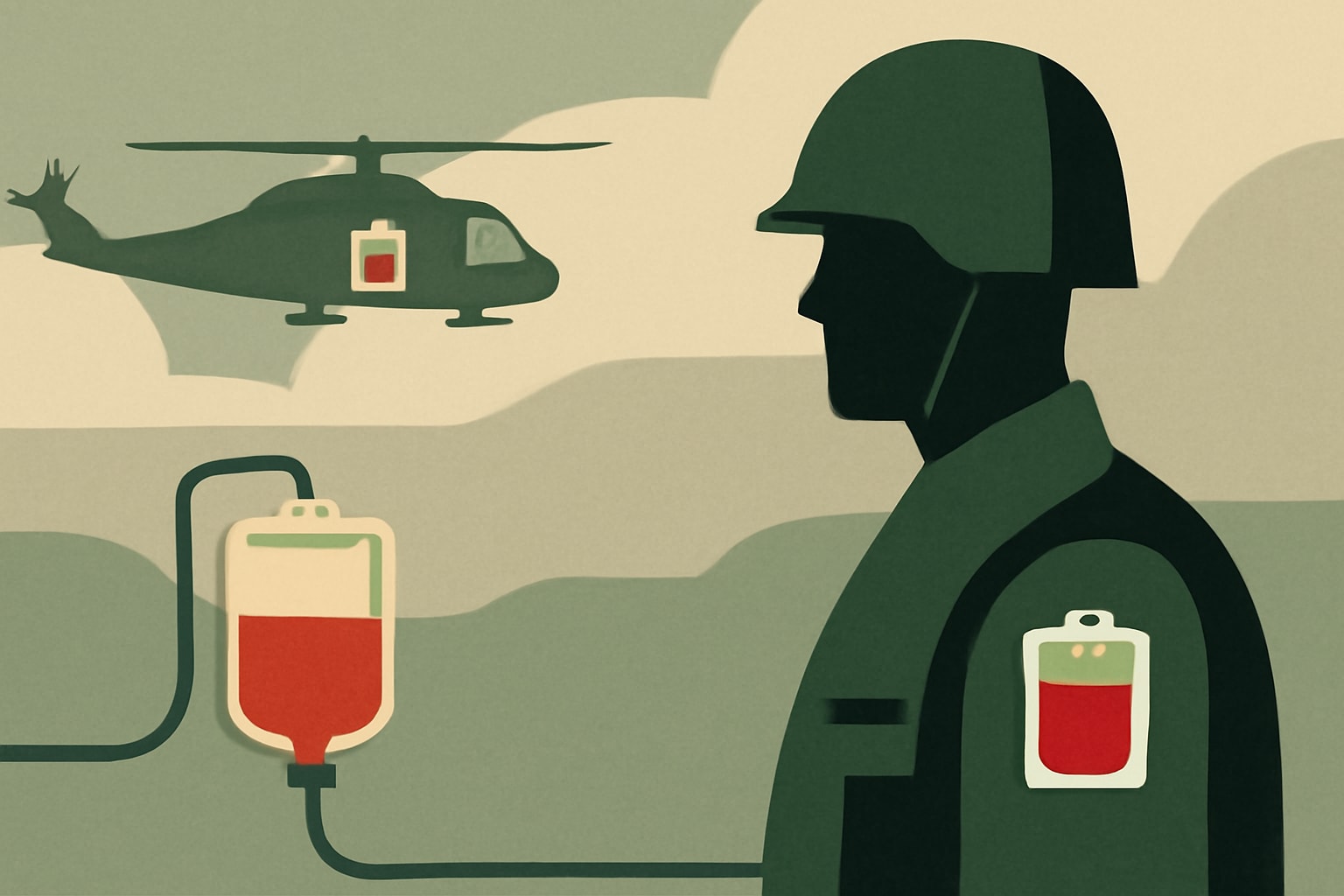
The Army is exploring innovative strategies to enhance combat care in the Indo-Pacific region, addressing challenges in maintaining the 'Golden Hour' standard.
What's Happening
- •The 18th Theater Medical Command is testing new methods to extend medical care in the Indo-Pacific.
- •Innovations focus on blood supply management and the integration of autonomous systems.
- •These strategies aim to improve patient outcomes in environments where rapid care is critical.
Why It Matters
The Army's focus on improving combat care in the Indo-Pacific is crucial for maintaining readiness in a region where rapid response can mean the difference between life and death. By enhancing blood supply logistics and integrating advanced technologies, the Army aims to ensure that service members receive the best possible care in challenging environments.
What Changes Now
- •The Army is implementing new blood supply management strategies. This will involve deploying mobile blood banks to ensure timely access to critical resources in remote areas.
- •Autonomous systems will be integrated into medical operations. Medics will receive training on these technologies to enhance their ability to provide care in the field.
- •The focus on extending the 'Golden Hour' will lead to revised protocols for medical response. Units will need to adapt their training to incorporate these new standards.
What to Watch
- •Watch for updates on training programs for medics regarding new technologies. The Army plans to roll out these programs in the next fiscal year, which will be critical for operational readiness.
- •Keep an eye on the development of mobile blood banks. The Army is expected to test these systems in upcoming field exercises, which will provide insights into their effectiveness.
- •Monitor changes in medical response protocols as new strategies are adopted. These updates will be crucial for understanding how care will be delivered in future operations.
Get the Daily Briefing
Military and veteran news that actually affects you, in your inbox each morning.
More Context
- •Challenges of the 'Golden Hour': The 'Golden Hour' refers to the critical first hour following an injury, during which timely medical intervention can significantly improve survival rates. In the vast and often remote Indo-Pacific theater, maintaining this standard presents unique challenges due to geographical distances and logistical constraints.
- •Innovative Blood Supply Solutions: To address the difficulties in blood supply logistics, the Army is exploring new storage and transport methods. This includes the use of advanced refrigeration technologies and mobile blood banks that can be deployed quickly to support frontline units.
- •Role of Autonomous Systems: Autonomous systems are being integrated into medical support operations to enhance efficiency and effectiveness. These technologies can assist in transporting medical supplies and even in providing preliminary assessments of injuries, allowing medics to focus on critical care.
- •Implications for Medical Personnel: The changes in combat care plans will directly impact Army medics, particularly those in the 68W Military Occupational Specialty (MOS). As new technologies are adopted, training will be essential to ensure that medics are proficient in utilizing these tools to improve patient care.
Frequently Asked Questions
Does this affect Guard members on Title 10 orders?
Yes, the new combat care strategies will apply to all service members, including those in the National Guard activated under Title 10.
Will my training change as a medic?
Yes, medics will undergo additional training to familiarize themselves with autonomous systems and new blood supply protocols.
How will these changes impact deployment readiness?
The enhancements in combat care are designed to improve overall deployment readiness by ensuring that medics can provide effective care in challenging environments.
The Daily Briefing
Military & veteran news that actually affects you — delivered every morning.
- Pay, benefits & policy changes
- Pentagon decisions that matter
- VA updates for veterans & families
- One email. No spam. Unsubscribe anytime.
Related Stories
- Air Force Airman Confirmed Dead After Fall During College Football Event— Military.com
- Amelia Earhart's Plane May Be Closer to Discovery After 89 Years— Military.com
- US Army Expands Dining Options to Fit Modern Soldier Schedules— Military Times
- 3rd Battalion, 75th Ranger Regiment Wins Best Squad at AUSA— Military Times