Bikini Atoll’s Ghost Fleet: 80 Years After Nuclear Tests
Explore the warships still beneath Bikini Atoll 80 years after Operation Crossroads, including USS Saratoga and USS Arkansas.
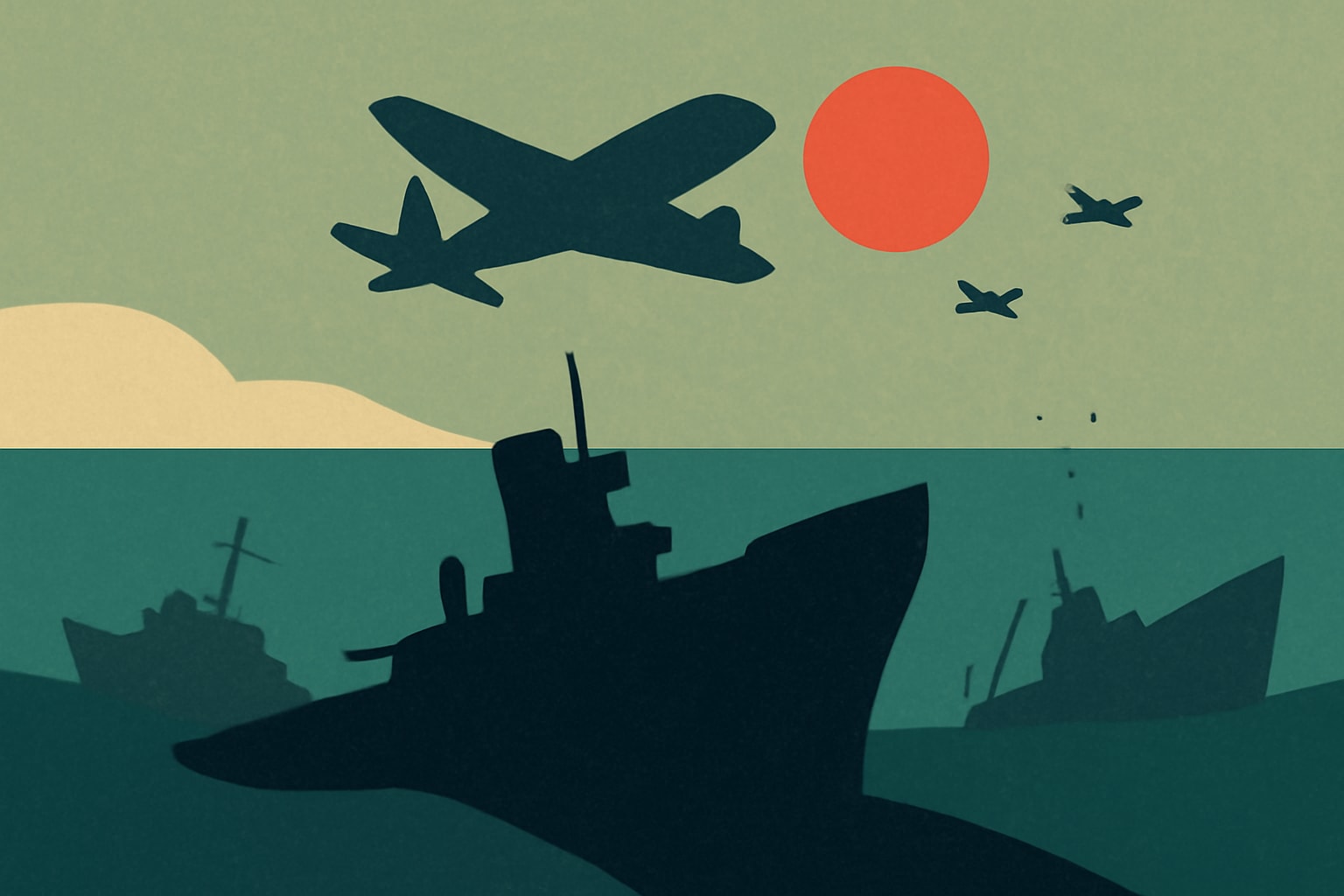
What's Happening
- •Bikini Atoll remains home to numerous sunken warships from World War II.
- •The site was the location of Operation Crossroads, which tested nuclear weapons.
- •Significant ships include the USS Saratoga, USS Arkansas, and Japan’s Nagato.
Why It Matters
The sunken ships at Bikini Atoll serve as a historical reminder of the military's nuclear past, impacting current military policy and environmental considerations. Understanding this legacy is crucial for service members and veterans as they navigate the ethical implications of military actions and their long-term effects.
What Changes Now
- •The ongoing deterioration of the ghost fleet highlights the need for preservation efforts. This is particularly relevant for environmental policy makers and military historians who advocate for better management of historical sites.
- •Increased research on the ghost fleet may lead to new military policies regarding nuclear testing. Service members should stay informed about how these policies could affect operational protocols and training.
- •The historical significance of these ships may prompt educational programs within military institutions. Active duty personnel may have opportunities to engage with this history through training and professional development.
What to Watch
- •Upcoming research initiatives focused on Bikini Atoll are set to begin in the next year. These studies will provide insights into the environmental impact of nuclear testing and may influence future military practices.
- •The Navy is reviewing its policies regarding historical preservation of sites like Bikini Atoll. Decisions made in the coming months could reshape how the military approaches its historical legacy.
- •Legislation related to environmental protections around military testing sites is expected to be introduced in Congress. This could have significant implications for how the military manages its historical sites and environmental responsibilities.
Get the Daily Briefing
Military and veteran news that actually affects you, in your inbox each morning.
More Context
- •Historical Context of Operation Crossroads: Operation Crossroads was conducted in 1946 at Bikini Atoll as a series of nuclear tests aimed at assessing the effects of atomic bombs on naval vessels. The operation involved detonating two atomic bombs, known as Able and Baker, which resulted in the sinking of several ships, creating a 'ghost fleet' that now lies beneath the waves. This operation marked a pivotal moment in military history, showcasing the destructive power of nuclear weapons and changing naval warfare forever.
- •Current Status of the Ghost Fleet: The sunken ships at Bikini Atoll, including the USS Saratoga and USS Arkansas, remain largely intact but are deteriorating due to environmental factors. These vessels serve as a stark reminder of the past and are of interest to historians and military enthusiasts alike. Efforts to study and preserve these wrecks highlight the ongoing relevance of nuclear testing history and its implications for modern naval strategy.
- •Implications for Military and Environmental Policy: The legacy of the ghost fleet raises important questions about military accountability and environmental stewardship. As the U.S. Navy and other military branches reflect on their historical actions, there is a growing emphasis on ensuring that past mistakes do not repeat themselves. This is particularly relevant for current service members who may grapple with the ethical implications of military operations and their long-term effects on the environment.
- •Future Research and Exploration: Ongoing research efforts aim to better understand the impact of nuclear testing on marine ecosystems and the historical significance of the ghost fleet. Researchers and historians are advocating for more comprehensive studies to document the condition of these vessels and their surroundings. The findings from such studies could influence future military policies and environmental regulations, making it crucial for service members and veterans to stay informed about developments.
Frequently Asked Questions
What ships are part of the Bikini Atoll ghost fleet?
The ghost fleet includes notable vessels such as the USS Saratoga, USS Arkansas, and Japan’s Nagato.
How does the history of Bikini Atoll affect current military policy?
The legacy of nuclear testing at Bikini Atoll influences current military policies regarding nuclear operations and environmental stewardship.
Are there preservation efforts for the sunken ships?
Yes, ongoing research and advocacy efforts aim to preserve the historical significance of the ghost fleet and its impact on military history.
The Daily Briefing
Military & veteran news that actually affects you — delivered every morning.
- Pay, benefits & policy changes
- Pentagon decisions that matter
- VA updates for veterans & families
- One email. No spam. Unsubscribe anytime.
Related Stories
- Marine Corps Enlistment Bonuses Offer Up to $15,000 for Cyber Jobs in 2027— Military.com
- U.S. Shifts Reaper Drones from Africa to Latin America— Task & Purpose
- U.S. Military Engages Iranian Boats Attempting to Seize Navy Drone— Military.com
- Sgt. 1st Class Oscar McGrew Awarded Bronze Star for Valor After Iranian Drone Attack— Task & Purpose