Belarus Launches Joint Drills With Russia to Practice Nuclear Weapons Use
Belarus conducts military exercises with Russia to enhance nuclear capabilities amid rising tensions in Europe.
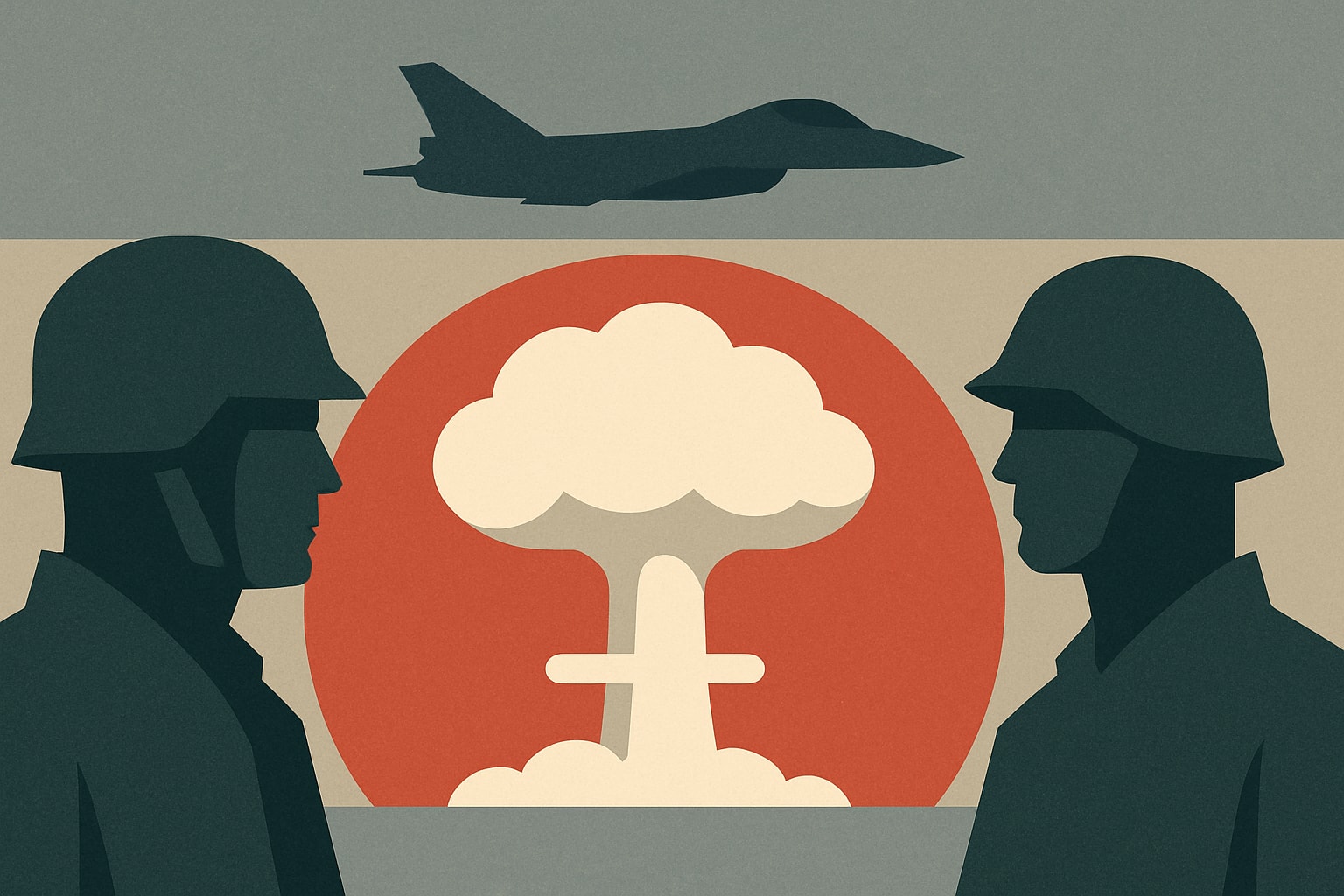
What's Happening
- •Belarus is conducting joint military drills with Russia focused on nuclear weapons.
- •These exercises come as tensions rise between NATO and Russia.
- •President Alexander Lukashenko has allowed the deployment of Russian tactical nuclear weapons in Belarus.
Why It Matters
The joint military drills between Belarus and Russia represent a significant shift in the security dynamics of Eastern Europe, particularly concerning NATO's defensive posture. For military personnel, understanding these developments is crucial for readiness and strategic planning, as they may directly impact deployments and operational protocols.
What Changes Now
- •The deployment of Russian tactical nuclear weapons in Belarus alters the regional security landscape. This shift requires NATO and U.S. forces to reassess their readiness and response strategies.
- •Increased military drills and readiness exercises may be implemented by NATO forces in response to the situation. Service members should prepare for potential changes in their operational environment and mission parameters.
- •Communication from leadership regarding changes in mission readiness will be essential. Active duty members should stay engaged with updates from their units and the broader military command.
What to Watch
- •Monitor upcoming NATO meetings to discuss responses to Belarus-Russia drills. Decisions made during these meetings could lead to increased military presence in Eastern Europe.
- •Watch for announcements from U.S. military leadership regarding changes in deployment strategies. These changes may affect service members stationed in Europe and their operational readiness.
- •Keep an eye on regional security assessments from defense analysts. These assessments will provide insights into how the situation may evolve and its implications for U.S. forces.
Get the Daily Briefing
Military and veteran news that actually affects you, in your inbox each morning.
More Context
- •Background on Belarus-Russia Military Cooperation: The military relationship between Belarus and Russia has strengthened significantly in recent years, particularly under President Alexander Lukashenko's regime. The deployment of Russian tactical nuclear weapons in Belarus marks a pivotal shift in regional security dynamics, as it allows Russia to project its power closer to NATO borders. This cooperation is seen as a direct response to perceived threats from NATO, especially following the alliance's expansion in Eastern Europe. The joint drills aim to enhance interoperability between Belarusian and Russian forces, focusing on nuclear strategy and tactical operations.
- •Implications for NATO and U.S. Forces: The joint drills signal a potential escalation in military readiness that could challenge NATO's defensive posture in Eastern Europe. For U.S. forces stationed in Europe, particularly those in Poland and the Baltic States, this development necessitates a reassessment of current strategies and preparedness levels. The drills could serve as a rehearsal for potential conflict scenarios, raising the stakes for NATO's response capabilities. Moreover, this situation may lead to increased military presence and readiness exercises by NATO forces in response to the heightened threat.
- •What Service Members Should Know: Active duty service members, particularly those in the Army and Air Force stationed in Europe, should stay informed about the evolving security landscape in Eastern Europe. Units may be called upon to participate in enhanced readiness exercises or deployments in response to the situation. Additionally, service members should be aware of potential changes in operational protocols as NATO assesses its response to Russian military activities. Communication with leadership regarding any changes in mission parameters will be crucial during this time.
Frequently Asked Questions
Does this affect Guard members on Title 10 orders?
Yes, Guard members on Title 10 orders may be impacted by changes in operational protocols and readiness exercises in response to the situation.
Will my BAH change if I move duty stations mid-year?
Your Basic Allowance for Housing (BAH) may change if you move to a new duty station, as it is based on the location of your assignment.
Veteran Take
For those who've served, the news of Belarus and Russia conducting joint military drills raises immediate concerns about regional stability and the potential for escalation. We understand all too well that such maneuvers can shift the balance of power, affecting not just current military strategies but also the safety of service members and their families. Veterans navigating this landscape must stay informed, as these developments could signal changes in our own operational readiness and commitments.
The Daily Briefing
Military & veteran news that actually affects you — delivered every morning.
- Pay, benefits & policy changes
- Pentagon decisions that matter
- VA updates for veterans & families
- One email. No spam. Unsubscribe anytime.
Related Stories
- Air Force Successfully Tests New Sentinel ICBM Reentry Vehicle— Air & Space Forces Magazine
- B-2 Stealth Bomber Returns to Whiteman AFB After Depot Maintenance— Air & Space Forces Magazine
- India Sells Air Defense Missiles to Tajikistan and Turkmenistan— Defense News
- AI Technology Enhances Drone Communication for Ukrainian Forces— Military Times