B-2 Bombers Strike Iranian Revolutionary Guard in 36-Hour Mission
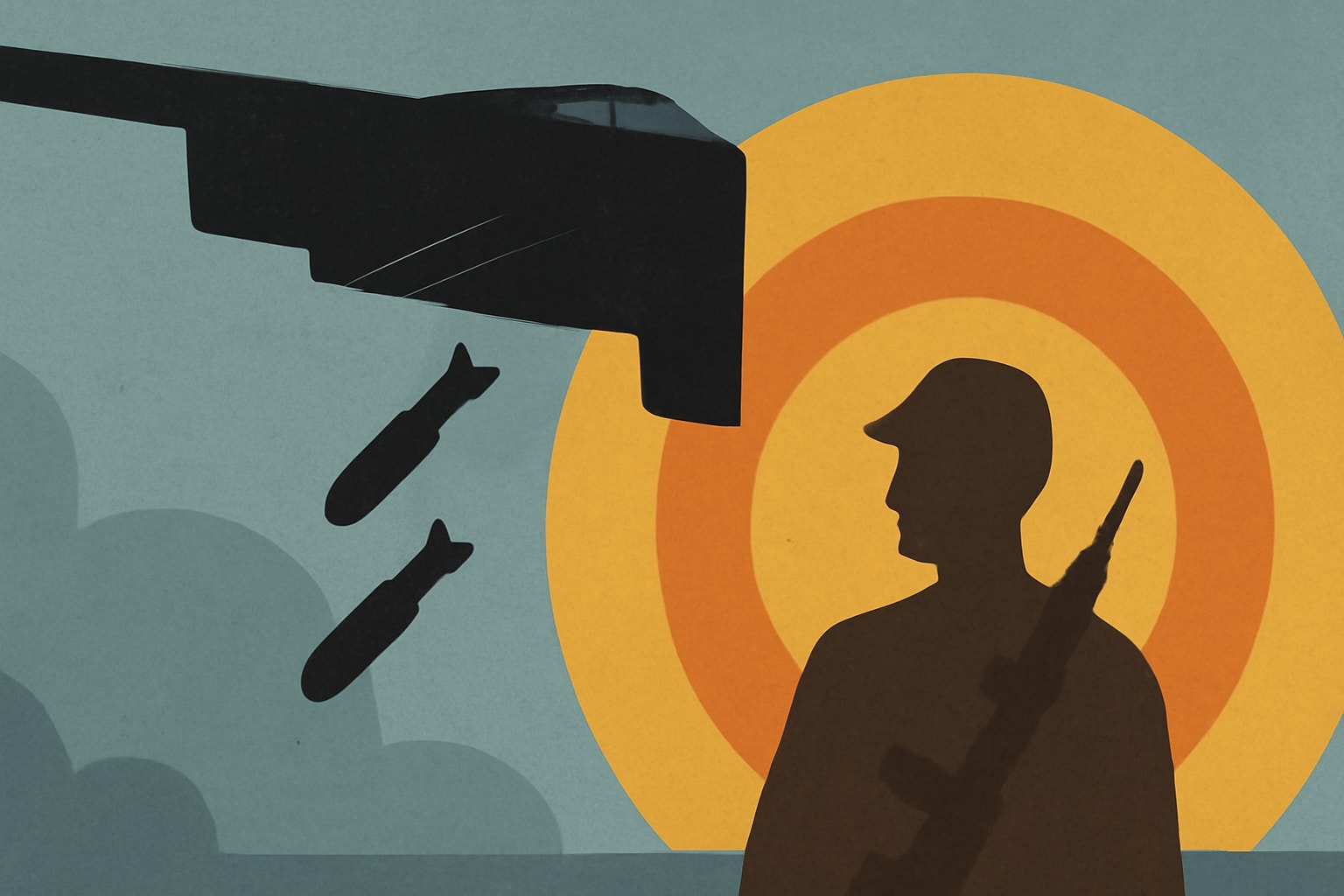
U.S. Air Force B-2 Spirit bombers conducted a 36-hour mission targeting a meeting of Iranian Revolutionary Guard Corps commanders.
What's Happening
- •U.S. Air Force B-2 bombers targeted an underground compound used by Iranian Revolutionary Guard Corps commanders.
- •The mission lasted 36 hours, demonstrating the long-range capabilities of the B-2 Spirit bombers.
- •Bunker-buster bombs were employed to penetrate the fortified underground facility.
Why It Matters
This operation illustrates the U.S. military's global reach and its readiness to engage threats. For service members and their families, it emphasizes the importance of maintaining advanced military capabilities and the potential for increased deployments in response to regional tensions.
What Changes Now
- •Increased security measures will be implemented at U.S. military facilities in the Middle East. This is crucial to safeguard personnel and assets from potential retaliatory actions by Iran or its proxies.
- •Military readiness levels may be heightened in response to the operation. This ensures that U.S. forces are prepared for any escalation or further missions that may arise from the current situation.
- •Intelligence operations in the region will likely intensify. Enhanced surveillance and reconnaissance efforts will be necessary to monitor Iranian activities and assess threats.
What to Watch
- •Iran's official response to the U.S. strike will be closely monitored. This could indicate their strategic choices and potential retaliatory actions in the coming days.
- •The Pentagon's assessment of the operation's effectiveness will be released in the near future. This will provide insights into the impact of the strike on IRGC operations and U.S. military strategy.
- •Further military escalation in the region is a possibility. Observers should watch for increased military posturing or operations by both the U.S. and Iran in the wake of this incident.
Get the Daily Briefing
Military and veteran news that actually affects you, in your inbox each morning.
More Context
- •Overview of the Operation: In a significant military operation, U.S. Air Force B-2 Spirit bombers executed a 36-hour mission aimed at an underground compound where high-ranking commanders of Iran's Islamic Revolutionary Guard Corps (IRGC) were reportedly meeting. This strike, which occurred in early April 2026, underscores the U.S. military's ability to project power globally and respond to perceived threats in a timely manner. The operation highlights the strategic importance of maintaining advanced military capabilities, particularly in volatile regions.
- •Details of the Strike: The B-2 bombers utilized specialized bunker-buster munitions designed to penetrate heavily fortified structures. This choice reflects the U.S. military's intelligence regarding the target's underground nature and the IRGC's operational security measures. The stealth capabilities of the B-2 Spirit were crucial in minimizing detection during the mission, allowing for a surprise attack on the IRGC commanders, who are known for their strategic planning and coordination efforts.
- •Implications for U.S.-Iran Relations: The successful execution of this mission sends a clear message to Iran and other adversaries about the U.S. commitment to protecting its interests and allies. The IRGC, designated as a terrorist organization by the U.S. in April 2019, has been involved in various regional conflicts and is viewed as a significant threat to U.S. interests. This operation may lead to heightened tensions and potential retaliatory actions from Iran or its proxies, further complicating the already tense geopolitical landscape in the Middle East.
- •Future Considerations: In the aftermath of the strike, the Pentagon will likely evaluate the operation's effectiveness and monitor Iran's response closely. Analysts will be assessing the long-term implications for regional security, particularly regarding U.S.-Iran relations and the potential for further military escalation. The operation serves as a reminder of the ongoing complexities in the Middle East and the necessity for the U.S. military to remain prepared for rapid deployments and strategic operations.
Veteran Take
For those who've served, seeing B-2 bombers in action reminds us of the complex realities of military readiness and global engagement. We understand the sacrifices involved, not just for the service members on the front lines but also for their families who bear the weight of uncertainty. As tensions rise, veterans navigating this landscape know all too well the implications of increased deployments and the lasting impact on our community.
The Daily Briefing
Military & veteran news that actually affects you — delivered every morning.
- Pay, benefits & policy changes
- Pentagon decisions that matter
- VA updates for veterans & families
- One email. No spam. Unsubscribe anytime.
Related Stories
- Agencies Must Integrate Smart Identity Cards for Post-Quantum Cryptography— Federal News Network
- National Guard Responds to Troops Near DC Ballot Drop Box Incident— Task & Purpose
- 26th Marine Expeditionary Unit First to Deploy with CH-53K King Stallion Helicopter— Military.com
- Army Schedules Execution of Nidal Malik Hasan for December 3— Military Times