House to Vote on Aviation Safety Bill After D.C. Midair Collision
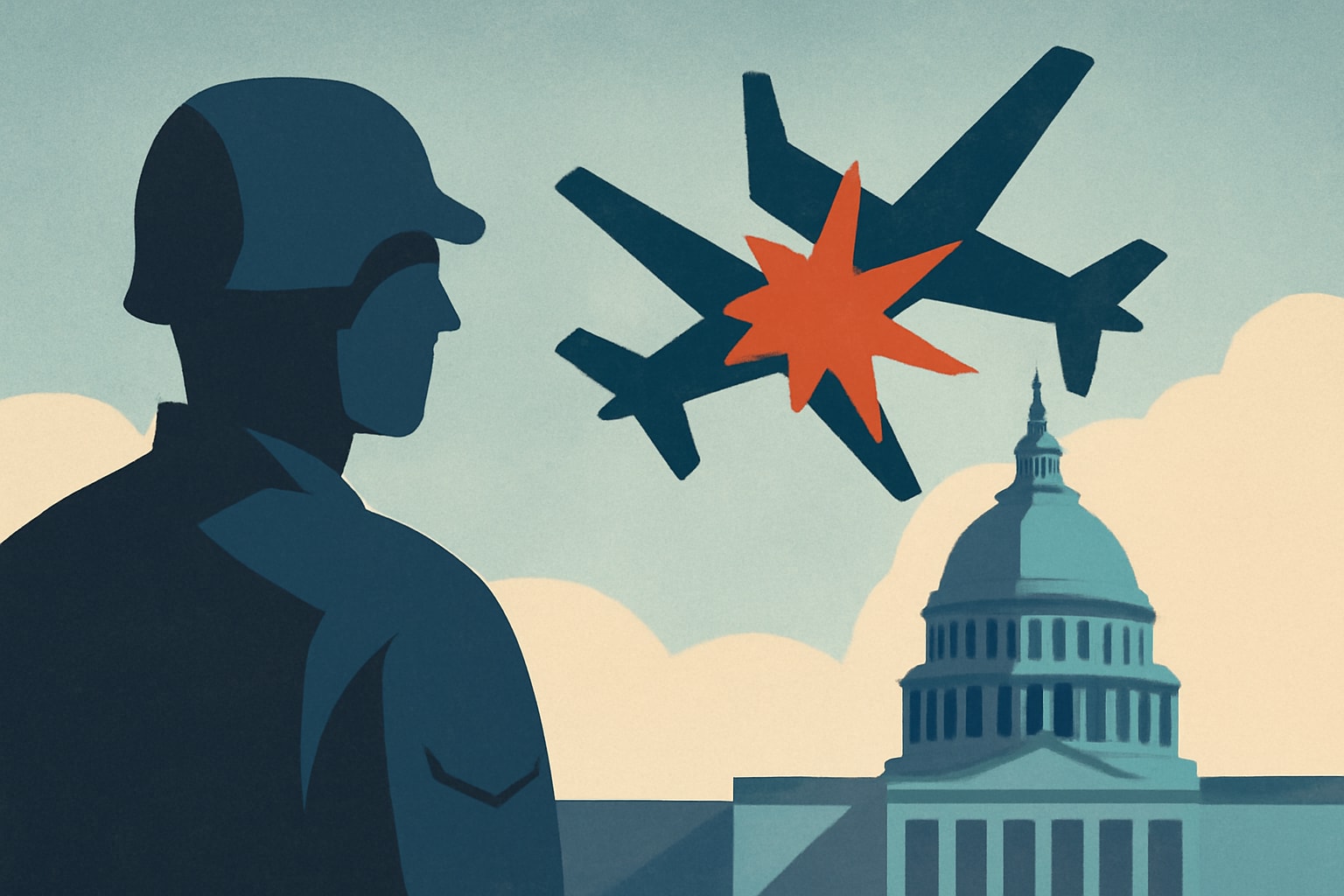
Legislation spurred by a fatal midair collision seeks to improve aviation safety protocols.
What's Happening
- •The House is set to vote on an aviation safety bill on April 15, 2026.
- •The bill addresses safety issues raised by a midair collision involving a jet and an Army helicopter.
- •It aims to enhance communication and coordination between civilian and military air traffic control.
Why It Matters
This aviation safety bill is crucial for military operations, particularly for pilots and air traffic controllers who navigate high-density airspace. New regulations may alter flight procedures and training requirements, directly impacting mission execution and safety protocols.
What Changes Now
- •The bill introduces increased scrutiny of air traffic control procedures in high-density areas. This change will require military pilots and air traffic controllers to adapt to new regulations to ensure safer operations.
- •New training requirements for military pilots and air traffic controllers will be established. This will necessitate adjustments in training programs to align with the updated safety protocols.
- •Enhanced communication and coordination between civilian and military air traffic control will be implemented. This change is vital for preventing future midair collisions and ensuring safe navigation.
What to Watch
- •The bill's progress in the Senate will be critical following the House vote. The Senate may propose amendments that could alter the final form of the legislation.
- •Hearings in the Senate are expected to provide further insights into the bill's implications. Stakeholders will be watching closely to understand how the Senate addresses concerns raised during the House discussions.
- •If the bill passes the Senate, it will be sent to the President for signature. The timeline for implementation will depend on the President's actions and the FAA's subsequent regulatory processes.
Get the Daily Briefing
Military and veteran news that actually affects you, in your inbox each morning.
More Context
- •Background of the Bill: The upcoming vote in the House of Representatives on April 15, 2026, focuses on an aviation safety bill prompted by a tragic midair collision near Washington, D.C. This incident, which involved a U.S. Army helicopter and a civilian jet, resulted in fatalities and highlighted significant flaws in air traffic control protocols. The legislation aims to implement new measures designed to prevent such accidents in the future, emphasizing the need for improved safety in congested airspace.
- •Key Provisions of the Legislation: The aviation safety bill proposes several critical changes aimed at enhancing safety in the skies. It includes mandatory upgrades to air traffic control technology, such as advanced radar systems and real-time tracking capabilities. Additionally, the bill seeks to standardize flight paths and procedures in high-traffic areas to minimize the risk of collisions. It also emphasizes the need for more rigorous training for both civilian and military pilots operating in congested airspace, ensuring they are well-prepared to navigate complex environments.
- •Addressing Systemic Issues: The push for this legislation is rooted in the findings of the investigation into the midair collision, which revealed serious miscommunications and procedural failures. Investigators found that the jet and helicopter were under different air traffic control authorities, leading to a lack of awareness of each other's presence. The bill aims to create a unified system of air traffic management in the D.C. area, addressing these systemic weaknesses to enhance overall aviation safety.
- •Bipartisan Support and Concerns: The bill has garnered bipartisan support, with lawmakers recognizing the urgent need to improve aviation safety standards. Proponents argue that the legislation is essential for protecting the lives of pilots, passengers, and the public. However, some opponents express concerns regarding the potential costs associated with implementing these new measures and the possibility of increased bureaucracy. Despite these concerns, the bill is anticipated to pass in the House.
- •Next Steps for the Legislation: If the House passes the bill, it will move to the Senate for further consideration. The Senate is expected to hold hearings and may propose amendments before voting. If approved in the same form as the House, the bill will be sent to the President for signature, after which it will become law. The FAA will then be tasked with implementing the new regulations and procedures outlined in the legislation, which could significantly impact military aviation operations.
Veteran Take
For those who've served in aviation roles, the safety of our skies is not just a regulatory concern; it's a matter of life and death. We understand that improved protocols can mean the difference between a successful mission and tragedy. As veterans, we hope this bill leads to better training and operational standards, ensuring that both military and civilian pilots can navigate our airspace safely.
The Daily Briefing
Military & veteran news that actually affects you — delivered every morning.
- Pay, benefits & policy changes
- Pentagon decisions that matter
- VA updates for veterans & families
- One email. No spam. Unsubscribe anytime.
Related Stories
- Coast Guard Surpasses Recruitment Goals for Third Consecutive Year— Federal News Network
- Air Force Bases Relocate Aircraft Ahead of Hurricane Isaias— Military Times
- Five Arrested in UK for Threatening U.S. Air Force Base Security— Navy Times
- U.S. to Open Two New Military Bases in Greenland— Military Times