U.S. Military's First Use of Maritime Drone for Pilot Rescue Near Oman
An unmanned surface vessel successfully rescued U.S. military pilots after a crash, marking a significant advancement in military operations.
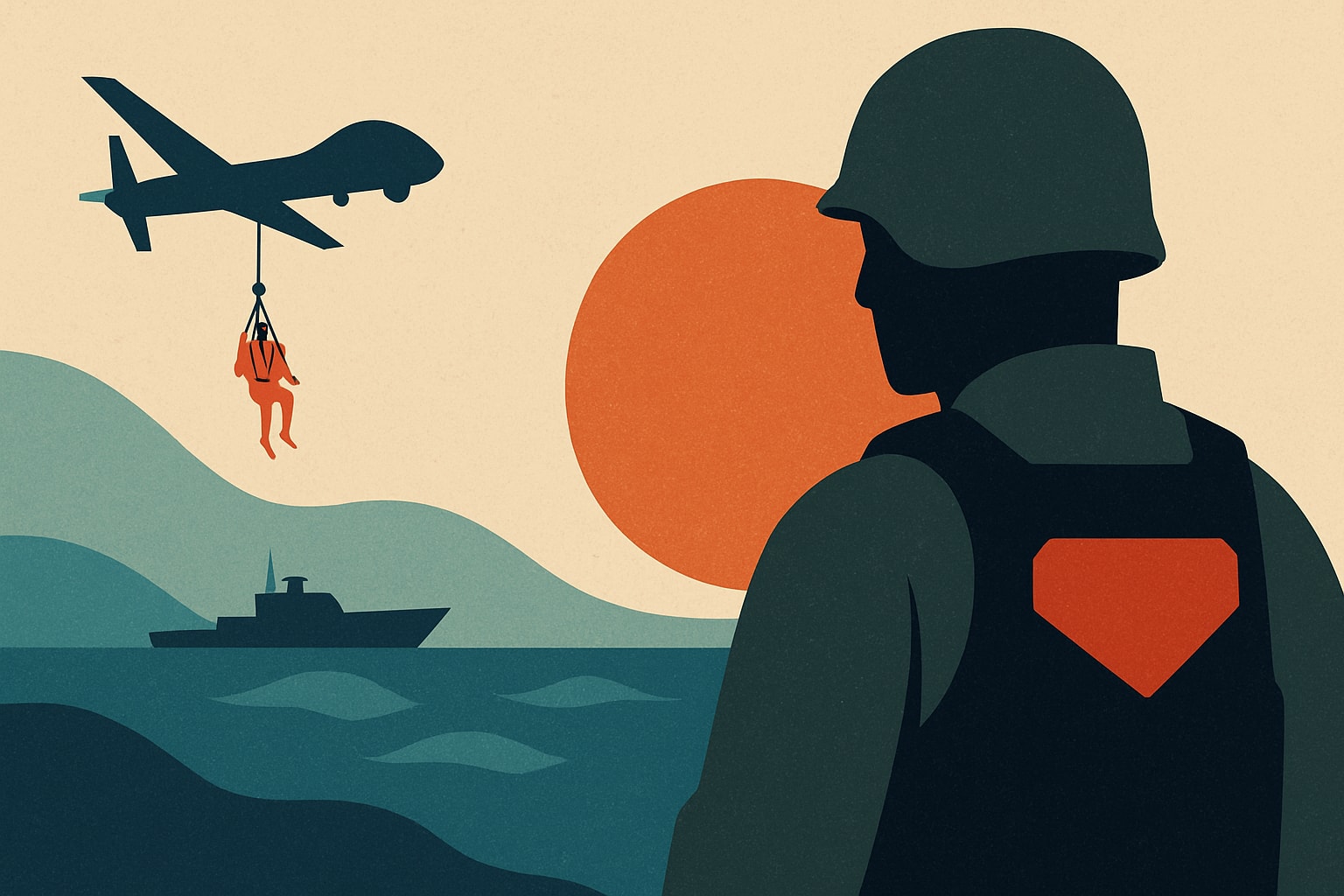
What's Happening
- •The U.S. military utilized an unmanned surface vessel for the first time in a real-world pilot rescue operation.
- •This operation took place near Oman following a crash involving U.S. military aircraft.
- •The Corsair maritime drone was instrumental in the successful recovery of the aircrew.
Why It Matters
The use of unmanned systems like the Corsair drone in military operations represents a significant advancement in technology that can enhance the safety and effectiveness of missions. For service members, this means potentially reduced risks during critical recovery operations, which is vital in high-stakes environments.
What Changes Now
- •The successful deployment of the Corsair drone signifies a shift towards more reliance on unmanned systems in military operations. This change means that future rescue operations may increasingly utilize drones, reducing the risk to human personnel.
- •With the integration of maritime drones, training protocols for pilots and aircrew may evolve to include coordination with unmanned systems. This will require service members to adapt to new technologies and operational procedures.
- •The military may allocate more resources for the development and deployment of unmanned systems in various operational roles. This shift could lead to increased funding and research into drone technology and its applications.
What to Watch
- •Future announcements regarding the expansion of unmanned systems in military operations. These decisions will likely be made by military leadership as they assess the effectiveness of recent missions.
- •Potential updates to training programs for service members that incorporate unmanned systems. This will be critical for ensuring that personnel are prepared to work alongside these technologies.
- •Ongoing evaluations of the Corsair drone's performance in various operational scenarios. The results will influence future military strategies and the role of drones in combat.
Get the Daily Briefing
Military and veteran news that actually affects you, in your inbox each morning.
More Context
- •Historic Use of Maritime Drones: The deployment of the Corsair maritime drone represents a significant milestone in the U.S. military's operational capabilities. This unmanned surface vessel was specifically designed for a variety of missions, including reconnaissance and recovery operations. The successful rescue of pilots after their aircraft crash underscores the potential of autonomous technology in enhancing military effectiveness. This event not only highlights the advancements in drone technology but also sets a precedent for future operations where unmanned systems can take on critical roles in combat scenarios.
- •Implications for Future Military Operations: The successful use of the Corsair drone could pave the way for broader integration of unmanned systems in military operations. As the U.S. continues to develop and deploy autonomous technologies, we can expect to see more missions where drones handle recovery and support tasks. This shift may reduce risks to human personnel and improve response times in emergency situations. The military's investment in such technologies is likely to increase, potentially leading to more innovative applications in various operational contexts.
- •Impact on Service Members and Families: Active-duty service members, particularly pilots and aircrew, may experience enhanced safety and support due to the integration of maritime drones in rescue operations. The use of unmanned vessels can provide quicker response times in emergencies, which is crucial for the welfare of personnel in high-risk environments. Families of service members may also find reassurance in knowing that advanced technology is being utilized to protect their loved ones during missions. This development could foster greater confidence in the military's commitment to safeguarding its personnel.
Frequently Asked Questions
Does this affect Guard members on Title 10 orders?
Yes, the integration of unmanned systems like the Corsair drone can impact all service members, including those in the National Guard on Title 10 orders, as they may participate in missions utilizing these technologies.
Will my BAH change if I move duty stations mid-year?
Your Basic Allowance for Housing (BAH) may change if you move to a new duty station, as BAH rates are determined by the location of your new assignment.
Veteran Take
For those who've served, the introduction of maritime drones in rescue operations is a game changer. It not only showcases our military's commitment to innovation but also highlights a crucial step towards enhancing the safety of personnel in dangerous situations. Knowing that technology is evolving to protect our brothers and sisters in arms during critical missions brings a sense of reassurance to the veteran community.
The Daily Briefing
Military & veteran news that actually affects you — delivered every morning.
- Pay, benefits & policy changes
- Pentagon decisions that matter
- VA updates for veterans & families
- One email. No spam. Unsubscribe anytime.
Related Stories
- Air Force Seeks Next-Gen Perimeter Air Defense Radars to Replace Aging Systems— Air & Space Forces Magazine
- AFRL Partners with Virgin Galactic to Collect Space Weather Data— Air & Space Forces Magazine
- Vector and Nammo Scale Up Production of Armed Drones— Military Times
- Air Force Considers Adding Missile Warning System to F-15EX Fighter— Air & Space Forces Magazine