Deteriorating Conditions at U.S. Military Bases in the Pacific
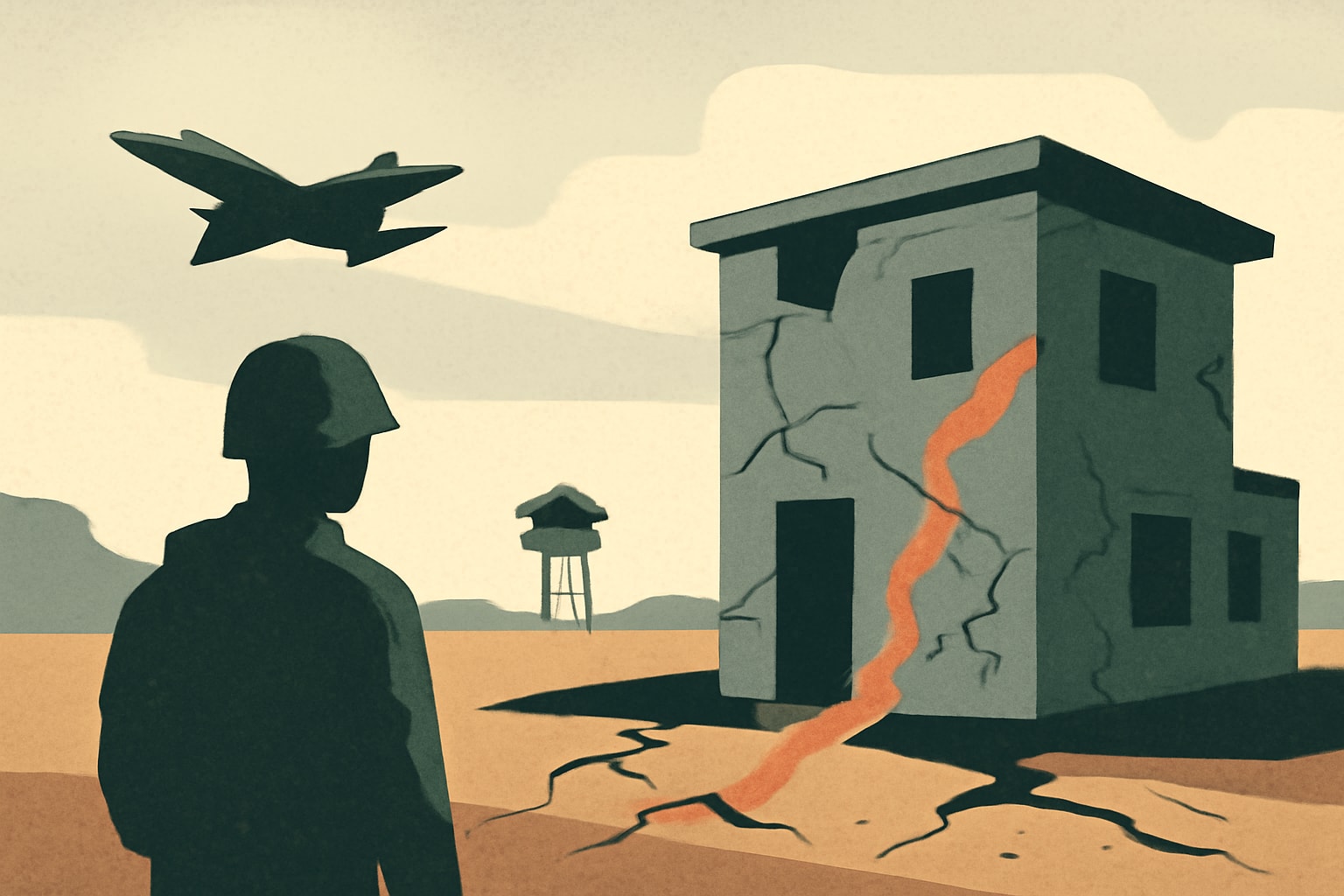
A recent report highlights serious issues like mold and asbestos at military installations in the Pacific.
What's Happening
- •A government watchdog report reveals serious maintenance issues at U.S. military bases in the Pacific.
- •Problems include mold, asbestos, and structural deterioration affecting living conditions.
- •These issues raise concerns about the health and safety of service members stationed at these bases.
Why It Matters
The deteriorating conditions at military bases in the Pacific directly impact the health and safety of service members and their families. Addressing these issues is crucial not only for the well-being of personnel but also for maintaining operational readiness in a strategically important region.
What Changes Now
- •The military is initiating inspections of bases to assess the extent of the reported issues. This will help prioritize which facilities need immediate repairs and remediation efforts.
- •Service members are encouraged to report any health concerns related to mold or asbestos exposure. Commanding officers will need to address these reports to ensure personnel safety.
- •Military leadership is expected to communicate remediation plans to affected bases. This will include timelines and procedures for addressing health and safety concerns.
What to Watch
- •Upcoming inspections of military facilities will begin within the next month. These inspections will provide a clearer picture of the extent of the issues.
- •Watch for updates from the Department of Defense regarding policy changes related to base maintenance and health standards. These changes may impact living conditions for service members.
- •Keep an eye on communication from local commanders about remediation efforts and timelines. This will be crucial for understanding when improvements will be made.
Get the Daily Briefing
Military and veteran news that actually affects you, in your inbox each morning.
More Context
- •Overview of Deteriorating Conditions: Recent findings from a government watchdog have brought to light alarming conditions at U.S. military bases across the Pacific. Issues such as mold, asbestos, and crumbling infrastructure have been reported, raising significant concerns about the living and working environments for service members. Bases in locations like Guam and Okinawa are particularly affected, with many facilities showing signs of neglect and inadequate maintenance. These conditions not only compromise the quality of life for personnel but also pose potential health risks associated with prolonged exposure to hazardous materials.
- •Health Risks for Service Members: The presence of mold and asbestos in military facilities can lead to serious health complications for service members. Mold exposure can cause respiratory issues, allergic reactions, and other health problems, while asbestos is linked to life-threatening diseases such as mesothelioma. Active duty personnel, especially those in combat support roles or stationed in older facilities, may be at a higher risk. The military's responsibility to ensure safe living conditions is critical, and these findings highlight an urgent need for remediation efforts.
- •Immediate Actions and Changes: In response to the report, military leadership is expected to initiate inspections and assessments of affected bases. This will involve identifying specific facilities that require urgent repairs and remediation. Service members and their families should stay informed about the conditions of their installations and report any health concerns to their commanding officers. The military's commitment to addressing these issues is crucial for maintaining force readiness and ensuring the well-being of personnel.
- •What to Watch Going Forward: As the military begins to address these findings, service members should monitor updates from their leadership regarding remediation plans. The timeline for repairs and assessments will vary by location, and ongoing communication will be essential. Additionally, watch for any policy changes regarding health and safety standards at military installations, as these may evolve in response to the report's findings. The effectiveness of these initiatives will be critical in determining the long-term safety of service members stationed in the Pacific.
Frequently Asked Questions
Does this affect Guard members on Title 10 orders?
Yes, Guard members on Title 10 orders stationed at affected bases may be exposed to the same health risks and should report any concerns.
Will my living conditions change if I am stationed at a Pacific base?
If you are stationed at a base identified in the report, changes may occur as remediation efforts are implemented to improve living conditions.
What should I do if I notice mold or asbestos in my barracks?
Report any findings to your chain of command immediately, as they are responsible for addressing health and safety concerns.
The Daily Briefing
Military & veteran news that actually affects you — delivered every morning.
- Pay, benefits & policy changes
- Pentagon decisions that matter
- VA updates for veterans & families
- One email. No spam. Unsubscribe anytime.
Related Stories
- Saving Money as a Military Family: Practical Tips for Quality Living— Military.com
- Meet Axel, the Deaf Rescue Dog Set to Deploy with the Military— Military Times
- ICE Detains Army Sergeant’s Wife, Leaving Family in Limbo— Military Times
- Study Identifies Navy Ships with Highest Sailor Burnout Rates— Military Times