Midterm Elections May Shift Military Oversight as Veterans Depart Congress
As veterans exit Congress, upcoming elections could redefine military leadership roles.
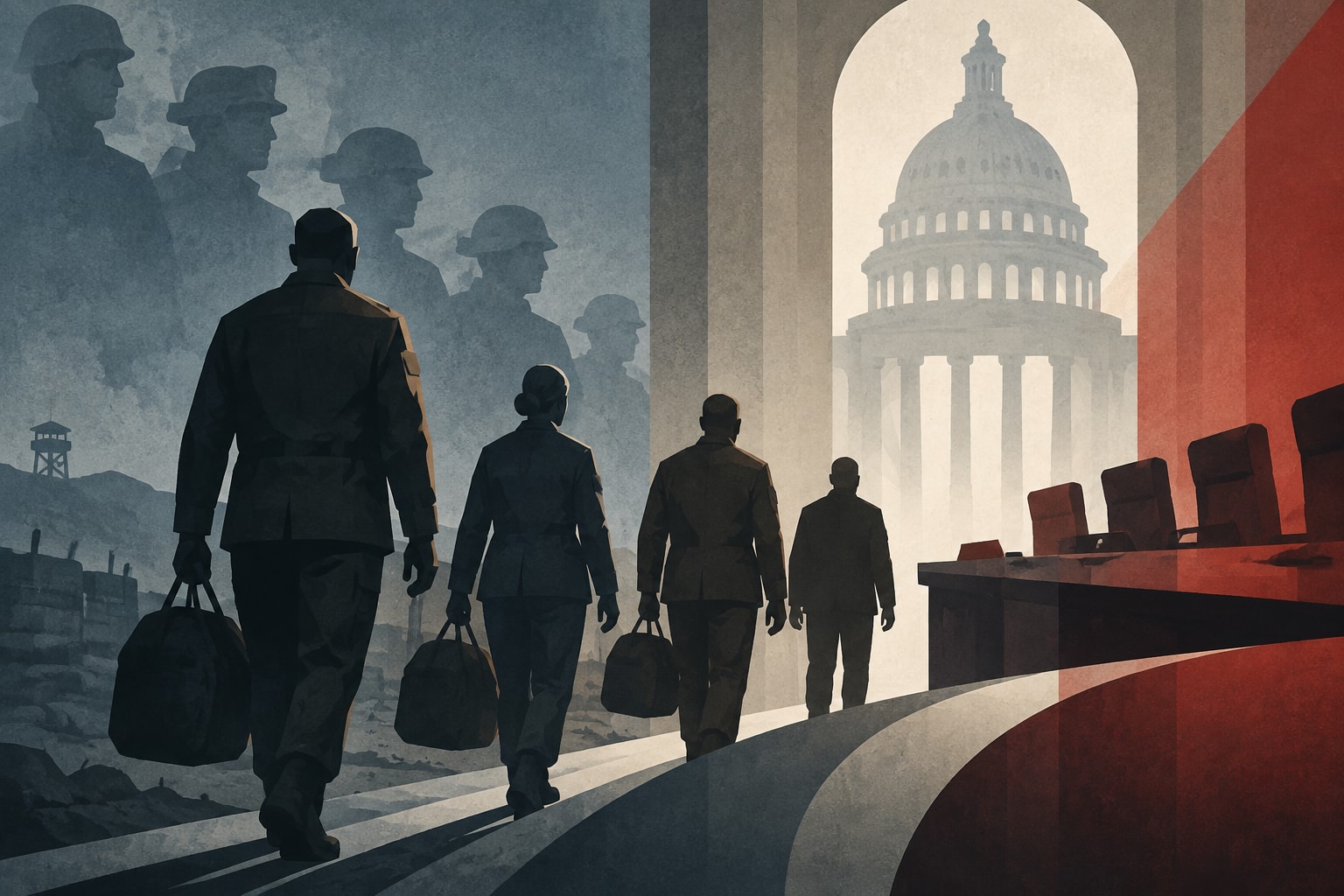
What's Happening
- •Approximately one in six current Congress members are veterans, a significant decline from 75% in 1973.
- •The upcoming midterm elections could lead to changes in key military oversight positions.
- •Veterans leaving Congress may impact legislation affecting military funding and policy.
Why It Matters
The decline in veteran representation in Congress may lead to a disconnect between lawmakers and the realities faced by service members. As military oversight potentially shifts with new leadership, the implications for funding, policy, and support systems for active-duty personnel and veterans could be significant.
What Changes Now
- •With veterans leaving Congress, there may be a shift in military policy priorities. This could affect how legislation is crafted and what issues are prioritized in defense discussions.
- •New congressional members may bring different views on military funding. This change could impact budget allocations for programs that support active duty and veteran families.
- •The midterm elections will determine the future composition of defense committees. This will influence the oversight of military operations and funding decisions.
What to Watch
- •Watch for the election results on November 8, 2026. The outcomes will determine which candidates will take key roles in military oversight.
- •Monitor the appointments to defense committees in early 2027. These appointments will shape military policy for the next congressional term.
- •Keep an eye on proposed legislation in the months following the elections. New bills could emerge that directly impact military benefits and support systems.
Get the Daily Briefing
Military and veteran news that actually affects you, in your inbox each morning.
More Context
- •Declining Veteran Representation in Congress: The representation of veterans in Congress has drastically decreased over the decades. In 1973, around 75% of Congress members had military experience, but that number has now dropped to about 16%. This trend raises concerns about the understanding and prioritization of military issues, as fewer lawmakers have firsthand experience with service-related challenges.
- •Potential Changes in Military Oversight: The upcoming midterm elections present an opportunity for significant shifts in military oversight. With several veterans stepping down, new candidates may bring different perspectives on defense policy and military funding. This could lead to changes in how military budgets are allocated and how policies are shaped, which directly affects service members and their families.
- •Impact on Legislation and Military Families: Legislation concerning military benefits, healthcare, and retirement plans may be influenced by the composition of the new Congress. As veterans exit, the potential for less advocacy for military families increases, which could lead to changes in benefits and support systems. Active-duty personnel and veterans should stay informed about proposed legislation that might affect their rights and entitlements.
- •What to Monitor Post-Elections: After the midterm elections, it will be crucial to monitor which candidates win key positions on defense committees. These roles will significantly influence military policy and funding decisions. Additionally, tracking the implementation of any new legislation will be essential for understanding its impact on service members and veterans.
Frequently Asked Questions
How will the midterm elections affect military funding?
The elections could change the composition of Congress, influencing how military budgets are allocated and which programs receive funding.
What does a decrease in veteran representation mean for service members?
Less veteran representation may lead to a lack of understanding of military issues, potentially affecting legislation that supports service members and their families.
When will we know the impact of the new Congress on military policy?
The impact will become clearer after the new Congress is seated in early 2027 and begins deliberating on military-related legislation.
The Daily Briefing
Military & veteran news that actually affects you — delivered every morning.
- Pay, benefits & policy changes
- Pentagon decisions that matter
- VA updates for veterans & families
- One email. No spam. Unsubscribe anytime.
Related Stories
- Air Force Deploys F-16s to Eareckson Air Station for Air Defense— Task & Purpose
- Virginia and D.C. Sue to Block Trump's Proposed Monument— Military.com
- How to Join the Military With a GED: Requirements & Branch Limits— Military.com
- Virginia Man Arrested After Defacing Iwo Jima Statue with Sledgehammer— Military Times