BAE Systems Unveils Advanced Helmet Tech for Fighter Pilots
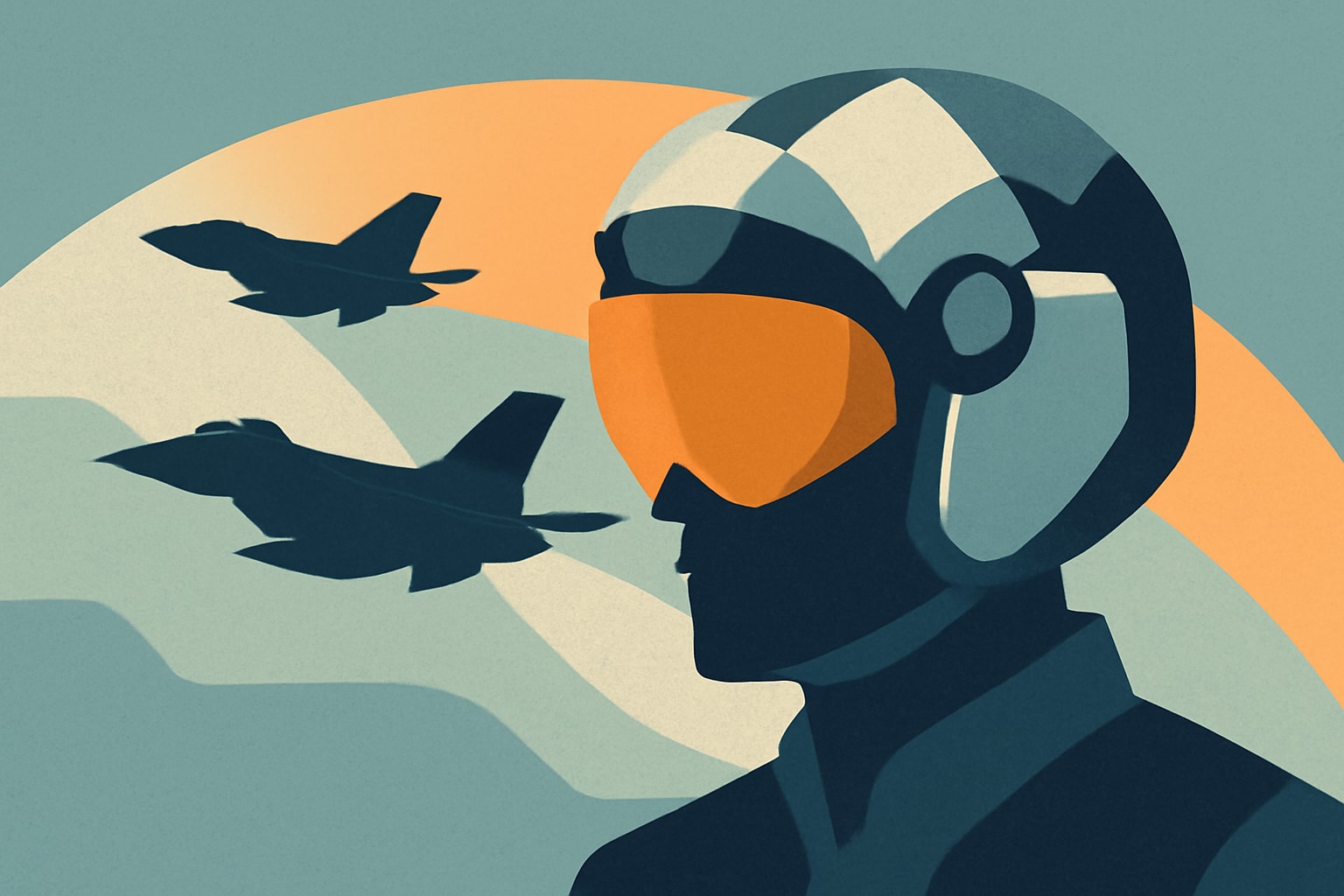
New helmet display technology aims to enhance fighter pilots' command capabilities over drone wingmen.
What's Happening
- •BAE Systems has introduced new helmet display technology for fighter pilots.
- •The technology is designed to allow pilots to operate as one-person command centers.
- •This innovation aims to improve coordination with drone wingmen during missions.
Why It Matters
This new helmet technology represents a significant advancement in air combat capabilities, allowing pilots to maintain control over multiple drone assets. As military operations increasingly rely on unmanned systems, this innovation is crucial for enhancing the effectiveness and safety of air missions, directly impacting the readiness of fighter pilots.
What Changes Now
- •Pilots will need to complete training on the new helmet display technology. This training is expected to be integrated into existing flight programs to ensure all pilots are proficient.
- •The new helmet technology will be rolled out gradually across different squadrons. Timelines for this rollout will depend on funding and operational priorities set by military leadership.
- •Service members should expect updates on the integration of this technology into their operational procedures. Staying informed will be crucial for adapting to new mission requirements.
What to Watch
- •Upcoming trials of the helmet technology are scheduled for the next fiscal year. The outcomes will influence the technology's adoption across various fighter platforms.
- •Military leadership will make decisions regarding funding for this technology. These decisions will affect how quickly it can be implemented in operational units.
- •Training schedules for pilots to learn the new systems will be announced soon. Pilots need to be prepared to adapt to these changes in their operational capabilities.
Get the Daily Briefing
Military and veteran news that actually affects you, in your inbox each morning.
More Context
- •Overview of New Helmet Technology: BAE Systems recently unveiled a groundbreaking helmet display technology tailored for fighter pilots. This innovation is intended to transform pilots into one-person command centers, significantly enhancing their operational capabilities. With this technology, pilots can manage multiple drone wingmen simultaneously, which is crucial for modern air combat scenarios. The integration of advanced displays into helmets allows for real-time data visualization, giving pilots immediate access to critical mission information without diverting their attention from the cockpit.
- •Implications for Fighter Pilots: The introduction of this helmet technology is particularly relevant for active-duty pilots in the U.S. Air Force and Navy, specifically those holding ranks from O-1 to O-5, such as fighter pilots and weapon systems officers. As air combat evolves, the need for enhanced situational awareness and control over unmanned aerial vehicles (UAVs) becomes paramount. The ability to command drones directly from the cockpit could lead to more effective mission execution and improved safety for pilots, as they can focus on their primary aircraft while managing drone support.
- •Practical Changes for Service Members: With the rollout of this helmet technology, pilots will need to undergo training to effectively utilize the new systems. This training will likely be integrated into existing flight training programs, ensuring that all pilots are proficient in using the new displays. Additionally, the technology may be gradually introduced across different squadrons, with timelines dependent on funding and operational priorities. As the military invests in this technology, pilots should stay informed about training schedules and updates from their commands.
- •Future Developments to Monitor: Service members should keep an eye on the upcoming trials and evaluations of the helmet technology, which are expected to begin in the next fiscal year. The results of these trials will determine the full-scale implementation across various fighter platforms. Moreover, decisions regarding funding and resource allocation for this technology will be made by military leadership, impacting how quickly it can be adopted by operational units.
Frequently Asked Questions
Will all fighter pilots need to use the new helmet technology?
Yes, the new helmet technology is expected to be integrated into the training and operational procedures for all fighter pilots.
How will this technology improve mission effectiveness?
This technology allows pilots to command drone wingmen directly, enhancing situational awareness and operational efficiency during missions.
Veteran Take
For those who've served in aviation, the integration of advanced technology like this helmet display is a game changer. It not only enhances a pilot's ability to control drone assets but also reflects how far we've come in adapting to modern warfare. Veterans navigating this evolving landscape understand that these innovations are vital for ensuring mission success and the safety of our aircrews.
The Daily Briefing
Military & veteran news that actually affects you — delivered every morning.
- Pay, benefits & policy changes
- Pentagon decisions that matter
- VA updates for veterans & families
- One email. No spam. Unsubscribe anytime.
Related Stories
- Space Force Aims to Beef Up Guardian Presence for Combat Commands— DefenseScoop
- Navy Establishes Dedicated Rating for Submarine Chiefs of the Boat— Military Times
- Arizona National Guard Becomes First to Field Gray Eagle 25M Drone— Military Times
- USAFA Board Calls for Early Reopening of Iconic Chapel— Air & Space Forces Magazine