BAE Systems Unveils Advanced Helmet Tech for Fighter Pilots
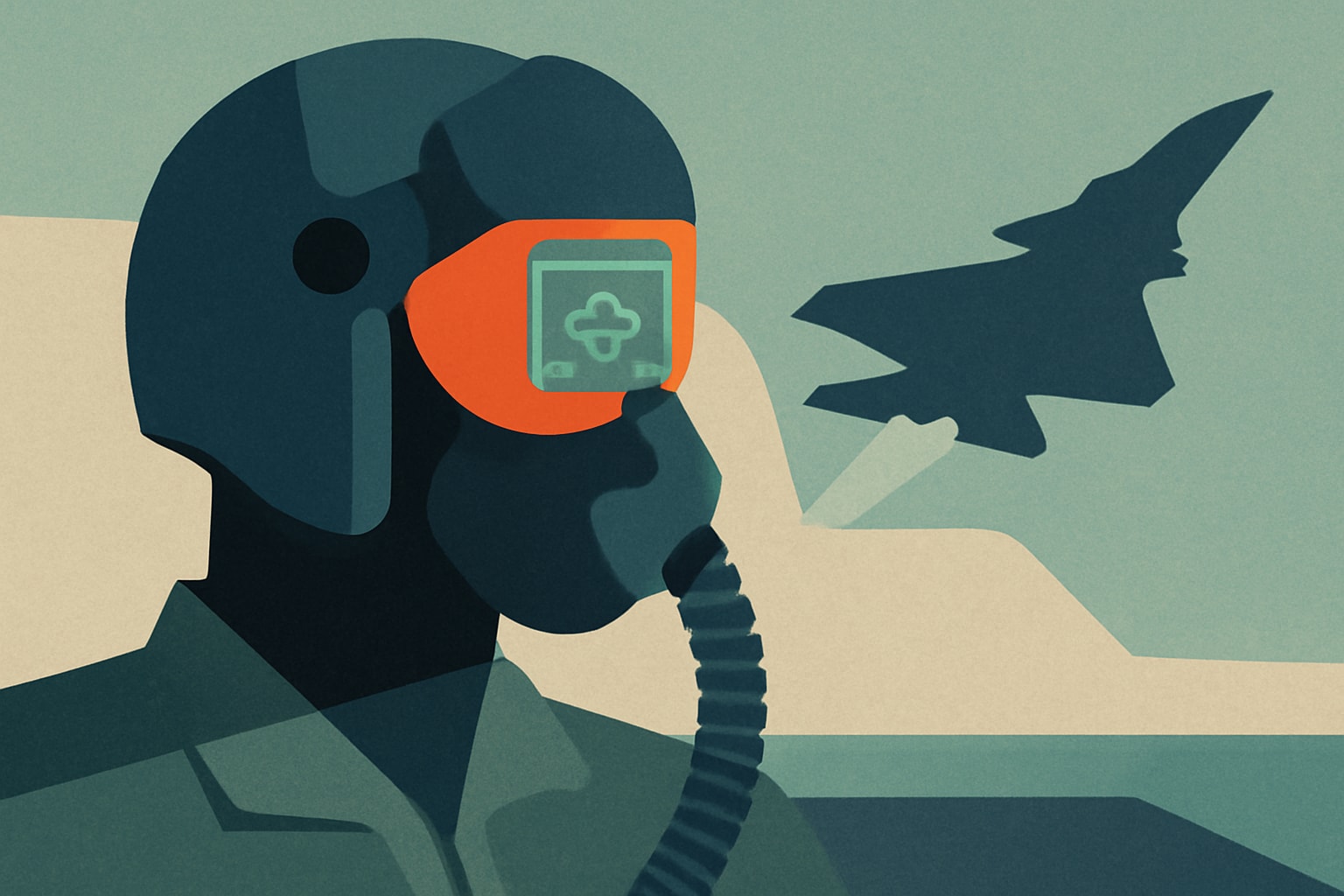
BAE Systems has launched new helmet display technology aimed at enhancing fighter pilots' command capabilities over drone wingmen.
What's Happening
- •BAE Systems has introduced new helmet display technology for fighter pilots.
- •The technology allows pilots to operate as one-person command centers.
- •This innovation is designed to enhance the coordination of drone wingmen.
Why It Matters
The introduction of advanced helmet technology represents a significant leap in the capabilities of fighter pilots, enabling them to manage drone wingmen with greater efficiency. As aerial combat evolves, such innovations are essential for maintaining tactical advantages and ensuring mission success, particularly for those in high-stakes roles.
What Changes Now
- •The new helmet display technology will be deployed for use by fighter pilots. This means pilots will need to undergo updated training to effectively utilize the system's capabilities.
- •Training modules will be developed to ensure pilots can operate the helmet's interface. This is crucial for maintaining operational readiness as the technology rolls out.
- •The integration of this technology may alter mission planning and execution. Pilots will have to adapt their strategies to leverage the new capabilities effectively.
What to Watch
- •BAE Systems will release updates on pilot feedback regarding the helmet technology. This information will be critical in assessing the system's effectiveness and potential improvements.
- •The military plans to evaluate the impact of this technology on mission outcomes. This assessment will influence future procurement and training strategies.
- •Look for announcements about the timeline for the technology's widespread deployment. Understanding when pilots will receive this technology is essential for operational planning.
Get the Daily Briefing
Military and veteran news that actually affects you, in your inbox each morning.
More Context
- •Overview of the New Technology: BAE Systems has unveiled a cutting-edge helmet display system that transforms fighter pilots into one-person command centers. This technology integrates advanced visual displays, enabling pilots to manage drone wingmen more effectively during missions. The helmet's design focuses on improving situational awareness, allowing pilots to receive real-time data and make informed decisions faster. As drone warfare becomes increasingly prevalent, this innovation is crucial for maintaining air superiority.
- •Implications for Fighter Pilots: The introduction of this helmet technology primarily affects active-duty fighter pilots, particularly those in the Air Force and Navy. Pilots in roles such as 11F (Fighter Pilot) and 13B (Field Artillery) will find this technology enhances their operational capabilities. The ability to command drones directly from the cockpit allows for more streamlined operations, potentially reducing response times during critical missions. This advancement signifies a shift in how aerial combat is conducted, emphasizing the importance of technology in modern warfare.
- •Operational Changes and Training: With the rollout of this helmet display technology, training programs for fighter pilots will need to adapt. New training modules will be developed to ensure pilots can effectively utilize the system's features. This includes familiarization with the helmet's interface and understanding how to coordinate with drone operations. The timeline for implementing this training is expected to coincide with the technology's deployment, which is anticipated within the next year.
- •Future Developments to Monitor: As BAE Systems continues to refine this technology, several developments are on the horizon. Upcoming announcements regarding pilot feedback and performance metrics are expected within the next six months. Additionally, the military will assess the technology's impact on mission outcomes, which could influence future procurement decisions. Stakeholders should keep an eye on how this technology integrates with existing aircraft systems and the overall effectiveness in combat scenarios.
Frequently Asked Questions
How will this helmet tech change pilot training?
Pilot training will be updated to include modules on the new helmet display system, ensuring that all active-duty pilots can effectively utilize its features.
What types of missions will benefit from this technology?
Missions involving drone coordination will benefit significantly, as pilots will be able to command drones directly from their cockpit, enhancing operational efficiency.
When will the new helmet technology be available for pilots?
The technology is expected to be deployed within the next year, with training programs aligning with its rollout.
Veteran Take
For those who've served in aviation, the introduction of advanced helmet technology is a game changer. It not only enhances the pilot's situational awareness but also reflects the evolution of combat tactics that we've seen over the years. Veterans navigating this new landscape can appreciate how crucial these advancements are for ensuring our airmen have the tools they need to succeed in increasingly complex missions.
The Daily Briefing
Military & veteran news that actually affects you — delivered every morning.
- Pay, benefits & policy changes
- Pentagon decisions that matter
- VA updates for veterans & families
- One email. No spam. Unsubscribe anytime.
Related Stories
- Anduril Plans to Manufacture Steelfin Interceptors in Europe— Defense News
- Marine Corps Establishes Its First Medium-Range Missile Battalion— Task & Purpose
- Pentagon's Counter-Drone Task Force to Test Directed Energy Weapons in December— Air & Space Forces Magazine
- Air Force to Base F-35s at Kingsley Field, Oregon Starting in 2027— Air & Space Forces Magazine