AI-Powered Wingman Aircraft Take Center Stage in European Defense
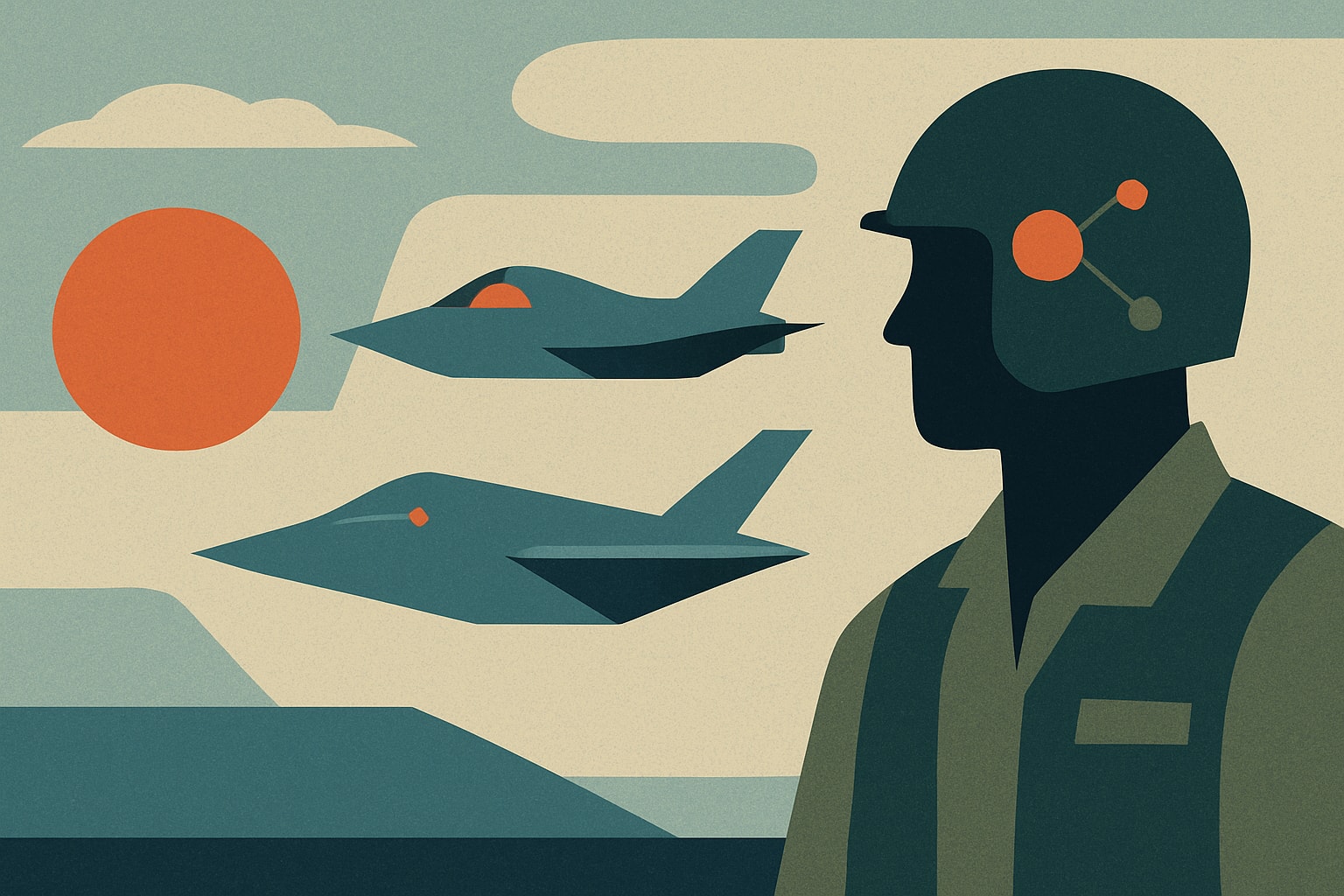
As Europe accelerates its military capabilities, AI-powered drones are set to complement fighter jets on the battlefield.
What's Happening
- •European and U.S. defense forces are developing AI-powered drones to support fighter jets.
- •These drones will enhance battlefield capabilities by carrying additional tech and munitions.
- •The push for these technologies is part of a broader rearmament effort in Europe.
Why It Matters
The development of AI-powered wingman aircraft is crucial for enhancing the operational capabilities of military forces in Europe and the U.S. For service members, these advancements could lead to new roles and responsibilities, as well as changes in training and combat strategies.
What Changes Now
- •The introduction of AI-powered drones will alter the roles of pilots and support crews. This change will require new training programs to ensure personnel can effectively operate alongside these advanced systems.
- •Increased collaboration between NATO forces is expected as they adopt similar technologies. This will enhance interoperability and joint operational capabilities across member nations.
- •Defense budgets are likely to increase to accommodate the development and procurement of these drones. This funding will support research, development, and training initiatives.
What to Watch
- •Upcoming NATO defense meetings will discuss the integration of AI technologies. These discussions will shape future military strategies and funding allocations for member nations.
- •The timeline for deploying these drones in active service is still being finalized. Watch for announcements from European defense ministries regarding test flights and operational rollouts.
- •Potential partnerships between defense contractors and military forces will emerge as the demand for AI technologies grows. These collaborations will influence the development of new systems and capabilities.
Get the Daily Briefing
Military and veteran news that actually affects you, in your inbox each morning.
More Context
- •The Rise of AI-Powered Drones: As military conflicts evolve, the integration of AI-powered drones into defense strategies is becoming increasingly critical. These unmanned aerial vehicles (UAVs) are designed to operate alongside traditional fighter jets, providing enhanced situational awareness and operational flexibility. By utilizing advanced algorithms, these drones can analyze real-time data, making them invaluable in combat scenarios. The development of such technologies reflects a significant shift in how military operations are conducted, moving towards automation and AI integration.
- •Implications for Military Personnel: Active duty personnel, particularly those in combat roles such as pilots and ground support, will see changes in their operational dynamics with the introduction of wingman drones. For example, fighter pilots may rely on these drones for reconnaissance, allowing them to focus on engagement strategies rather than solely on situational awareness. This shift could also influence training protocols, necessitating updates to how pilots and support crews are trained to interact with AI systems effectively.
- •What This Means for Future Conflicts: The deployment of AI-powered drones signals a new era in military engagements, particularly in Europe where tensions have increased. These drones not only provide tactical advantages but also raise questions about the ethical implications of AI in warfare. As European nations ramp up their defense budgets, the focus on integrating AI technologies will likely reshape military strategies and alliances, leading to a more technologically advanced battlefield.
Frequently Asked Questions
Does this affect Guard members on Title 10 orders?
Yes, the integration of AI-powered drones will impact all branches of the military, including Guard members on active duty.
Will my BAH change if I move duty stations mid-year?
Your Basic Allowance for Housing (BAH) may change if you move to a location with a different BAH rate; you should check the latest rates for your new duty station.
Veteran Take
For those who've served, the introduction of AI-powered wingman aircraft marks a significant shift in how we approach modern warfare. While these advancements can enhance our capabilities, they also raise questions about the evolving nature of our roles on the battlefield and the need for continuous adaptation in training. Veterans navigating this new landscape will need to consider how these technologies impact not only tactics but also the very essence of teamwork and trust that we've built over years of service.
The Daily Briefing
Military & veteran news that actually affects you — delivered every morning.
- Pay, benefits & policy changes
- Pentagon decisions that matter
- VA updates for veterans & families
- One email. No spam. Unsubscribe anytime.
Related Stories
- Air Force Seeks Next-Gen Perimeter Air Defense Radars to Replace Aging Systems— Air & Space Forces Magazine
- AFRL Partners with Virgin Galactic to Collect Space Weather Data— Air & Space Forces Magazine
- AI Technology Enhances Drone Communication for Ukrainian Forces— Military Times
- Anduril and US Navy Invest $6.6 Billion to Boost Submarine Parts Production— Navy Times