Marine Pilot Survives F/A-18 Hornet Crash, Walks Away
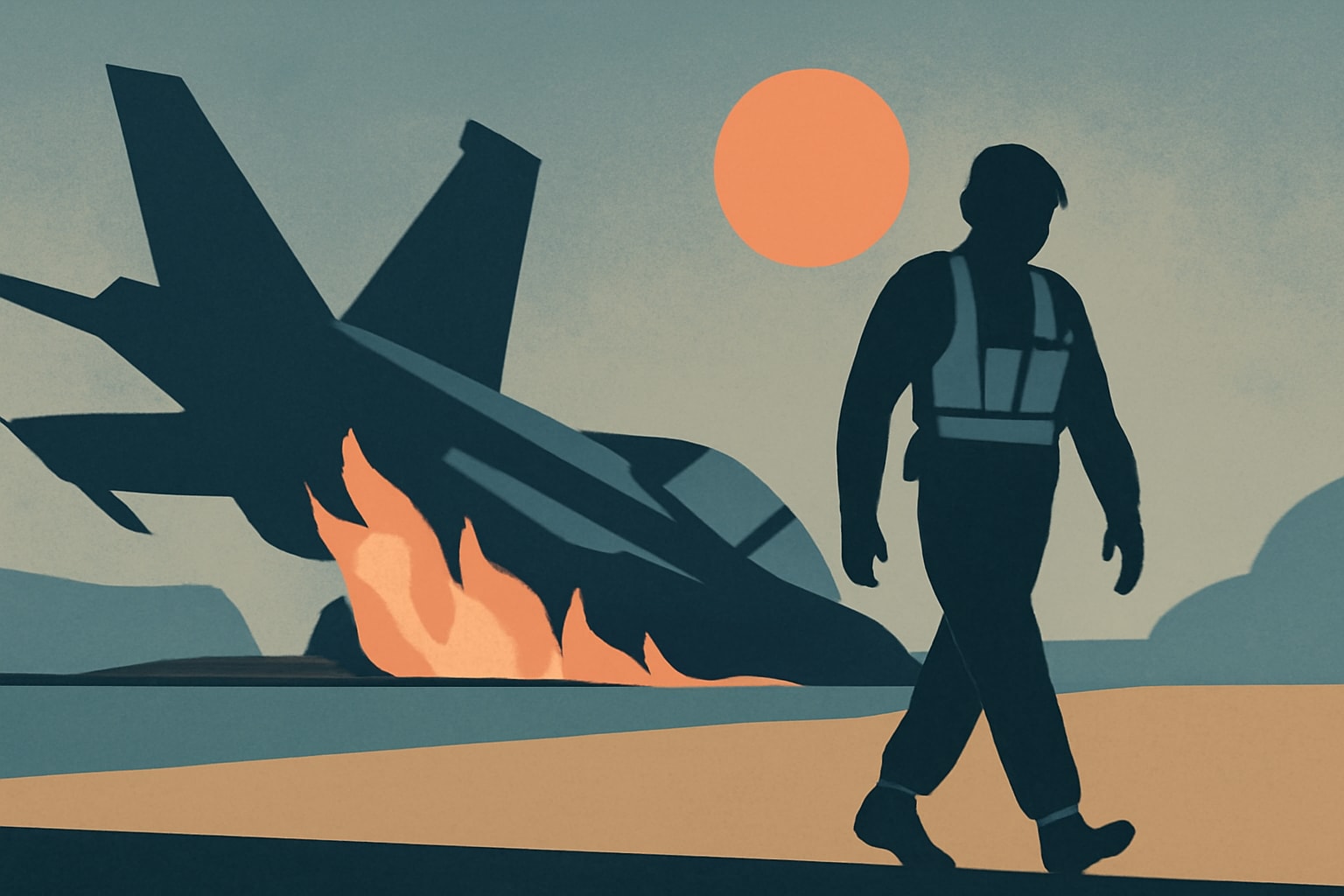
Bodycam footage reveals a Marine pilot's narrow escape after ejecting from a crashed F/A-18 Hornet during a training exercise.
What's Happening
- •Bodycam footage shows a Marine pilot ejecting from an F/A-18 Hornet during a training exercise.
- •The incident occurred in June and highlights the risks associated with military flight operations.
- •The pilot sustained minor injuries and was able to walk away from the crash site.
Why It Matters
This incident highlights the dangers that military pilots face during training exercises, emphasizing the importance of safety protocols and aircraft maintenance. For veterans and active-duty personnel, understanding the risks associated with aviation can foster discussions about safety improvements and mental health resources available to those impacted by such events.
What Changes Now
- •The Marine Corps may initiate a review of safety protocols following the incident. This review could lead to updated training and maintenance procedures aimed at preventing future crashes.
- •Increased awareness of mental health resources will likely be emphasized for pilots involved in high-stress situations. This ensures that service members have access to support after traumatic events.
- •The incident may prompt additional safety briefings for all aviation personnel. These briefings will focus on emergency procedures and the importance of reporting technical issues with aircraft.
What to Watch
- •Look for updates from the Marine Corps regarding the investigation into the crash. The timeline for this investigation will determine the speed of any potential changes to safety protocols.
- •Monitor announcements about new safety training programs for pilots. These programs may be implemented in response to lessons learned from the incident.
- •Keep an eye on mental health initiatives aimed at supporting pilots and their families. These initiatives may be expanded as a result of increased awareness of the psychological impact of such incidents.
Get the Daily Briefing
Military and veteran news that actually affects you, in your inbox each morning.
More Context
- •Details of the Incident: In June, during a routine training exercise, a Marine pilot was forced to eject from an F/A-18 Hornet after experiencing a malfunction. The bodycam footage released shows the pilot landing safely on the ground, albeit bloodied, immediately after the ejection. This incident underscores the inherent risks faced by pilots in high-performance aircraft, where technical failures can lead to life-threatening situations.
- •Implications for Marine Aviation Safety: The crash of the F/A-18 Hornet raises important questions about aviation safety protocols within the Marine Corps. As the military continues to modernize its fleet, ensuring the safety of pilots remains paramount. This incident may prompt a review of current training procedures and aircraft maintenance practices to prevent future occurrences. The Marine Corps has a responsibility to investigate the cause of the malfunction and implement necessary changes to enhance pilot safety.
- •Support for Affected Service Members: For service members involved in aviation, incidents like this can be traumatic, even if the pilot walks away unharmed. The Marine Corps offers various support services, including counseling and peer support programs, to help personnel process such experiences. It is crucial for affected pilots and their families to be aware of these resources, as they can provide essential emotional and psychological support during recovery.
Frequently Asked Questions
What should I do if I witness an aviation incident?
If you witness an aviation incident, report it immediately to your chain of command and follow any established protocols for emergency situations.
Are there resources for pilots experiencing trauma after an incident?
Yes, the Marine Corps provides counseling services and peer support programs for pilots and their families to help them cope with trauma.
The Daily Briefing
Military & veteran news that actually affects you — delivered every morning.
- Pay, benefits & policy changes
- Pentagon decisions that matter
- VA updates for veterans & families
- One email. No spam. Unsubscribe anytime.
Related Stories
- Florida Deputy Acquitted in Shooting Death of Air Force Airman— Task & Purpose
- New Fitness Standards Will Be Checked in Inspector General Reviews— Task & Purpose
- USS Theodore Roosevelt Arrives in Pacific Ahead of Anticipated Middle East Deployment— Task & Purpose
- Study Identifies Navy Ships with Highest Sailor Burnout Rates— Military Times