Army Aims for 30% Cost Reduction in Base Building Construction
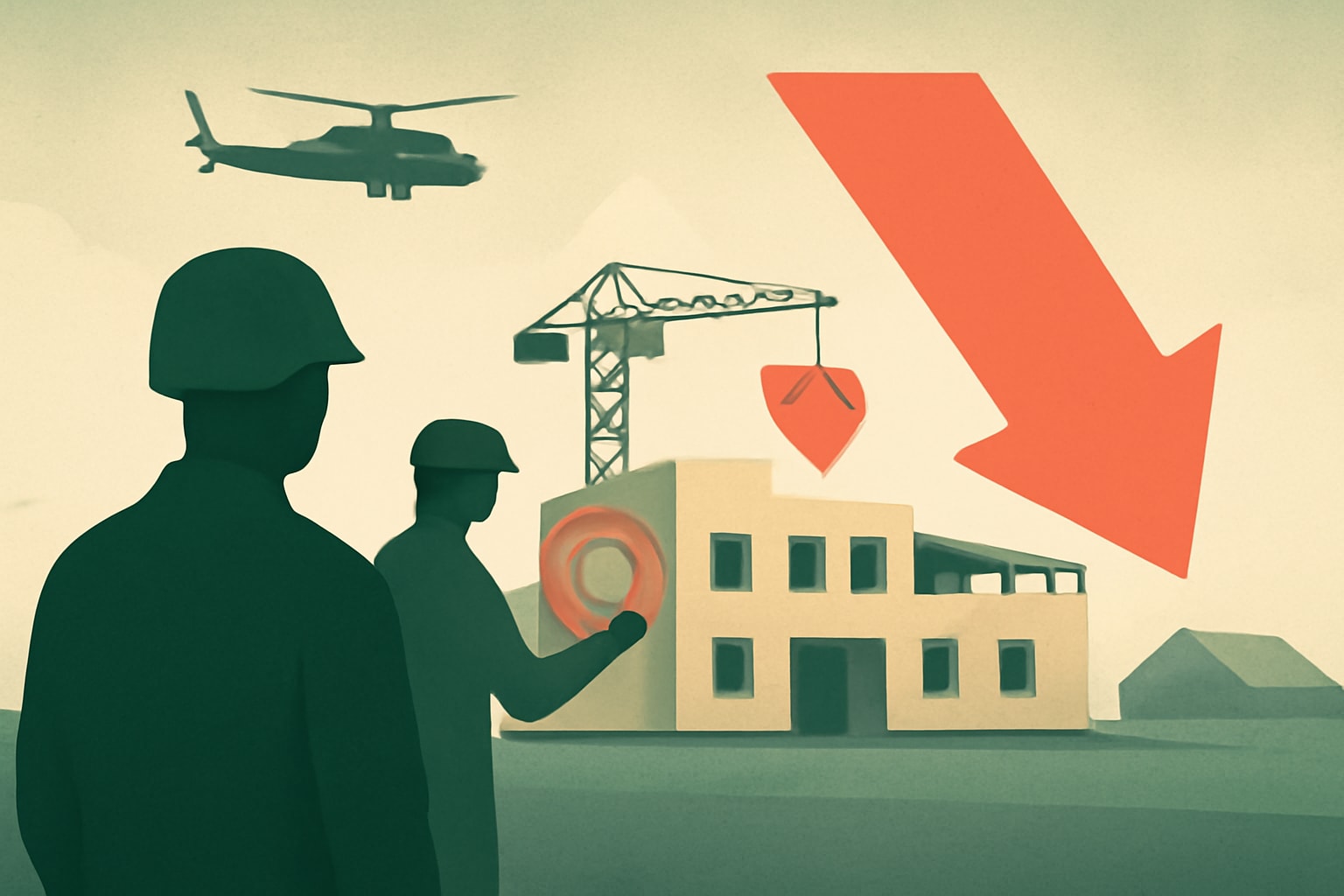
The Army is pursuing innovative construction methods to lower building costs and reduce lifespans of new facilities.
What's Happening
- •The Army is exploring new construction methods to reduce building costs by 30%.
- •These changes are outlined in a recent internal memo from Army leadership.
- •The new approach will focus on facilities with shorter lifespans.
Why It Matters
This policy shift is significant for military readiness and fiscal responsibility. By reducing construction costs, the Army can allocate resources more effectively, potentially impacting the quality of life for service members and their families through improved facilities.
What Changes Now
- •The Army is adopting new construction methods to lower costs by 30%. This change will likely affect how facilities are built and maintained across various installations.
- •Buildings constructed under this new strategy will have shorter lifespans. This means that service members may experience more frequent renovations or replacements of facilities.
- •Training programs will be updated to include these new construction techniques. Service members in relevant MOSs should prepare for additional training sessions to stay current.
What to Watch
- •Watch for announcements from the Army Corps of Engineers regarding pilot projects. These projects will set the stage for broader implementation of the new construction methods.
- •Monitor updates on training programs related to these construction techniques. Ensuring that service members are well-prepared will be key to the success of this initiative.
- •Keep an eye on feedback from initial projects to see how they influence future construction policies. Adjustments may be made based on the effectiveness of the new methods.
Get the Daily Briefing
Military and veteran news that actually affects you, in your inbox each morning.
More Context
- •Overview of the New Construction Strategy: The Army's recent memo indicates a shift towards innovative construction techniques aimed at reducing costs significantly. By adopting these methods, the Army hopes to streamline the building process and make it more efficient. This strategy is particularly relevant as the military faces budget constraints and seeks to maximize the utility of its resources. The emphasis on shorter lifespans for buildings suggests a move towards more flexible, adaptable structures that can be replaced or upgraded as needed, reflecting the changing needs of military operations.
- •Impact on Active Duty and Reserve Components: Active duty service members, particularly those in construction-related MOSs such as 12B (Combat Engineer) and 21E (Construction Engineering Supervisor), may see changes in their work environments and project scopes. Reserve Component members, including 12W (Carpentry and Masonry Specialist), could also be affected as these new construction methods roll out. The focus on cost-effective building solutions may lead to more frequent projects and training opportunities, enhancing the skills of those involved in military construction.
- •Practical Changes and Implementation Timeline: The Army plans to implement these new construction methods in the coming fiscal year, with pilot projects expected to start in select installations. Service members involved in construction should prepare for changes in project management and execution as the Army adopts these innovative strategies. Commanders will need to ensure that their teams are trained in these new techniques to maintain operational readiness and efficiency.
- •What to Monitor Moving Forward: Service members should keep an eye on announcements from the Army Corps of Engineers regarding specific projects and timelines for implementation. Additionally, updates on training programs related to new construction methods will be crucial for those in relevant MOSs. The success of these initiatives will be evaluated over the next few years, with potential adjustments based on feedback from personnel involved in the construction process.
Frequently Asked Questions
Does this affect Guard members on Title 10 orders?
Yes, Guard members on Title 10 orders may be involved in the construction projects that utilize these new methods, especially if they are in relevant MOSs.
Will my living conditions change with these new buildings?
Potentially, as new facilities are built with shorter lifespans, your living conditions may be impacted by more frequent renovations or new constructions.
The Daily Briefing
Military & veteran news that actually affects you — delivered every morning.
- Pay, benefits & policy changes
- Pentagon decisions that matter
- VA updates for veterans & families
- One email. No spam. Unsubscribe anytime.
Related Stories
- Airmen Embrace New Combat-Focused Basic Training Program— Military Times
- General Atomics Delivers FQ-42 Vengeance to Nevada Air Base— Military Times
- US Air Force Seeks Anti-Aircraft Guns to Protect Overseas Bases— Military Times
- Army Launches New Drone Training Program for Tactical Specialists— Task & Purpose