Army Study Raises Concerns Over ICE's Use of Shock Gloves
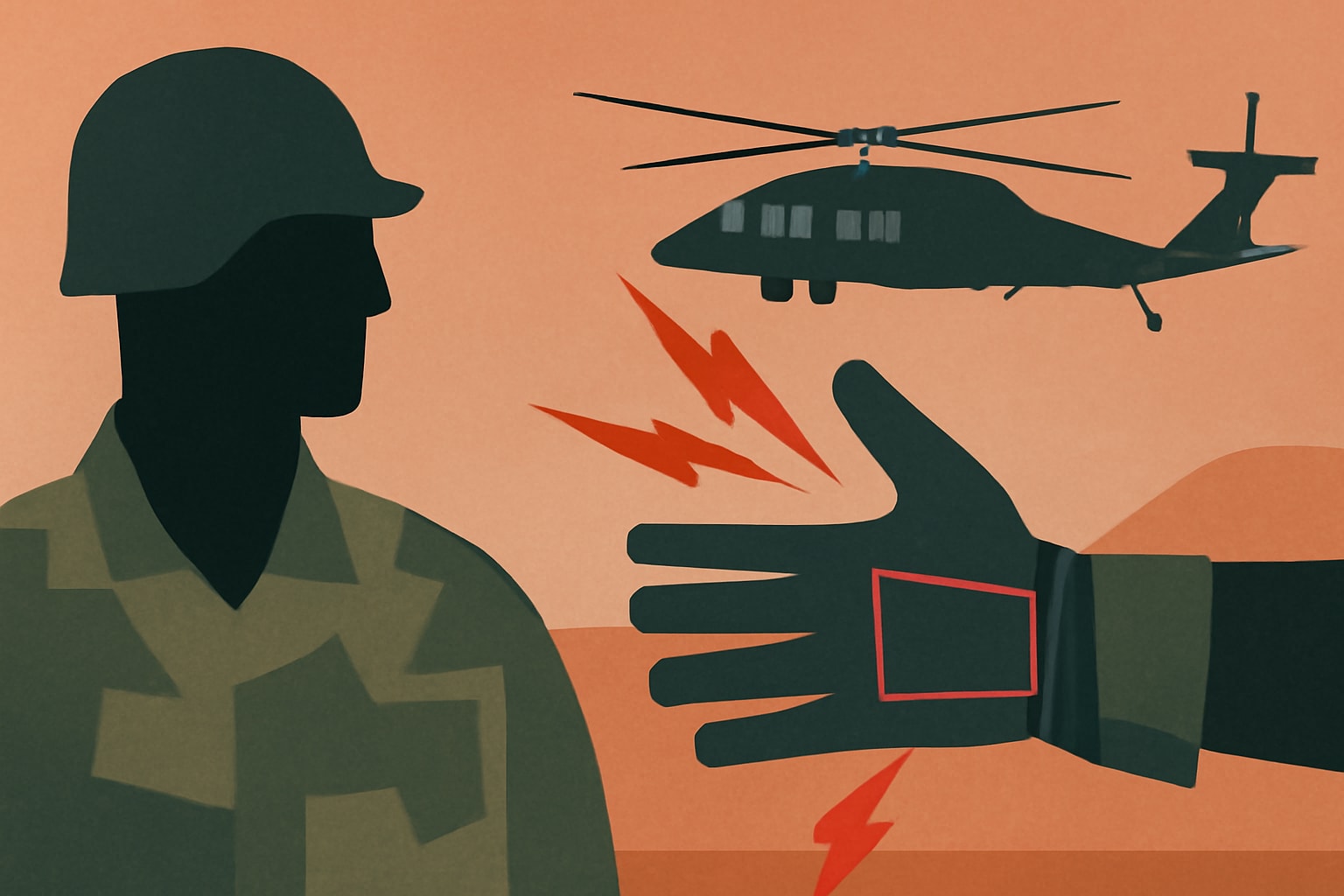
An Army study indicates that shock gloves used by ICE may cause pain and fear, impacting military and veteran communities.
What's Happening
- •An Army study found that shock gloves purchased by ICE can cause pain and compliance through fear.
- •ICE describes these gloves as 'distraction and de-escalation devices' intended to be safer than other non-lethal options.
- •The study raises ethical concerns about the use of such devices in law enforcement and its implications for military training.
Why It Matters
The use of shock gloves by ICE, as highlighted in the Army study, raises significant concerns for military personnel and veterans. Understanding these implications is vital for those involved in law enforcement and security operations, as it may affect training and operational protocols.
What Changes Now
- •The Army study's findings may lead to a review of training methods for military personnel. This review will ensure that service members are equipped to handle encounters with law enforcement agencies effectively and ethically.
- •Military training programs may incorporate discussions about the use of non-lethal devices like shock gloves. This inclusion will prepare service members for potential interactions with law enforcement that involve such equipment.
- •There may be increased scrutiny on the ethical implications of using shock gloves in law enforcement. This scrutiny could influence how military personnel engage with civilian law enforcement in joint operations.
What to Watch
- •Monitor any changes to military training protocols regarding law enforcement interactions. These changes may arise as a direct response to the findings of the Army study.
- •Watch for ICE's response to the Army study and any potential policy shifts regarding the use of shock gloves. This response will indicate how law enforcement agencies view the findings and their implications.
- •Keep an eye on discussions within the military community about the ethical use of non-lethal devices. These discussions may lead to broader policy changes affecting how military personnel are trained.
Get the Daily Briefing
Military and veteran news that actually affects you, in your inbox each morning.
More Context
- •Understanding the Shock Gloves: The shock gloves in question are marketed by ICE as tools for distraction and de-escalation. However, the Army study suggests that these devices may inflict pain, raising questions about their effectiveness and safety. For military personnel, especially those involved in law enforcement or security roles, understanding the implications of such devices is crucial. The potential for these gloves to cause fear and compliance rather than genuine de-escalation could affect how service members are trained to handle confrontations.
- •Implications for Military Training: The findings from the Army study may prompt a reevaluation of training protocols for military personnel involved in law enforcement. If shock gloves are adopted by civilian law enforcement, military members may need to be aware of their use and the associated risks. This could lead to changes in how service members are prepared for interactions with law enforcement agencies, particularly in joint operations or community engagements. Understanding the psychological effects of such devices will be essential for maintaining the integrity and effectiveness of military training.
- •Ethical Considerations: The ethical implications of using shock gloves as compliance tools cannot be overlooked. For veterans and active-duty service members, the use of devices that inflict pain raises questions about humane treatment and the standards of engagement. As military personnel often serve in roles that require adherence to strict ethical guidelines, the adoption of such devices by law enforcement could create conflicts. It's important for the military community to engage in discussions about the moral responsibilities associated with the use of non-lethal force.
Frequently Asked Questions
Does this affect Guard members on Title 10 orders?
Yes, any changes to training protocols regarding law enforcement interactions will also impact Guard members on Title 10 orders.
Will military training change due to these findings?
Yes, the findings may lead to a reevaluation of how military personnel are trained to engage with law enforcement.
What should I know about shock gloves?
Shock gloves are designed as compliance tools, but their use raises significant ethical concerns regarding pain and fear.
The Daily Briefing
Military & veteran news that actually affects you — delivered every morning.
- Pay, benefits & policy changes
- Pentagon decisions that matter
- VA updates for veterans & families
- One email. No spam. Unsubscribe anytime.
Related Stories
- Camp Pendleton Opens New Dining Hall Drive-Thru for Quick Meals— Task & Purpose
- USS Abraham Lincoln Returns Home After 320 Days at Sea— Military Times
- Hegseth Ends Tenure at New Academy, Leaving Pentagon Questions Unanswered— Military.com
- Navy to Procure 30 Robotic Ships at an Average Cost of $40M Each— DefenseScoop