Army Implements New Waist-to-Height Standards for Soldiers
The Army has rolled out new waist-to-height body standards, requiring a ratio of less than 0.55.
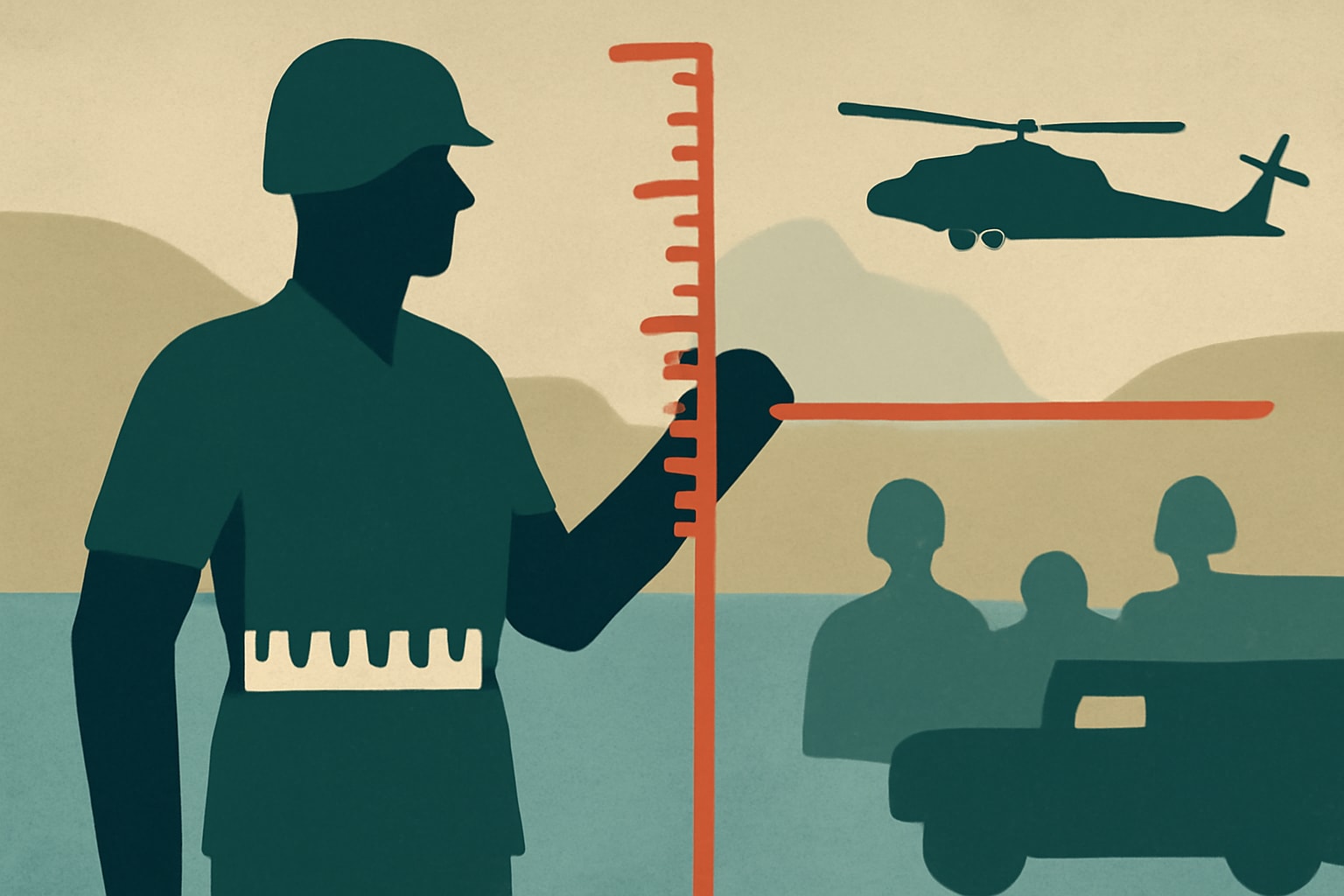
What's Happening
- •The Army has introduced new waist-to-height body standards for soldiers.
- •The required waist-to-height ratio must be less than 0.55.
- •These standards align with recent Pentagon guidelines.
Why It Matters
The implementation of waist-to-height standards is significant for maintaining the health and readiness of the Army. For service members, this change emphasizes the importance of physical fitness and could influence career advancement and opportunities based on compliance with these new metrics.
What Changes Now
- •Soldiers must now measure their waist and height to ensure compliance with the new ratio. This change is critical for maintaining their fitness ratings and overall career progression.
- •Commanders are required to provide support and resources to help soldiers meet these standards. This includes access to fitness programs and guidance on healthy lifestyle choices.
- •The new standards will be integrated into existing fitness evaluations starting immediately. Soldiers should prepare for assessments that include these measurements.
What to Watch
- •The Army will issue detailed guidelines on enforcement of the new standards. Soldiers should monitor announcements from their chain of command for specific instructions.
- •Upcoming fitness assessments will incorporate these new waist-to-height measurements. Compliance will be closely monitored, impacting soldiers' evaluations and potential promotions.
- •Further studies may be conducted to evaluate the impact of these standards on soldier performance. The results could lead to additional adjustments in fitness policies.
Get the Daily Briefing
Military and veteran news that actually affects you, in your inbox each morning.
More Context
- •Understanding the New Standards: The Army's new waist-to-height standards are designed to promote overall soldier health and readiness. By establishing a ratio of less than 0.55, the Army aligns its physical fitness expectations with broader Pentagon health initiatives. This change aims to ensure that soldiers maintain a healthy body composition, which is critical for operational readiness. The implementation of these standards will be monitored closely, with assessments likely integrated into existing fitness evaluations.
- •Who is Affected?: The new standards will primarily impact active-duty soldiers across all ranks, particularly those in combat arms MOSs such as 11B Infantry and 19K Armor. Reserve Component soldiers, including those in the National Guard, will also need to adhere to these standards during their annual evaluations. This change emphasizes the importance of physical fitness in maintaining a capable and effective military force, especially in roles that require high levels of physical performance.
- •Practical Changes for Soldiers: Beginning immediately, soldiers will need to ensure their waist measurements are compliant with the new standards. This means that during regular fitness assessments, soldiers will have to measure their waist and height to confirm they meet the required ratio. Failure to comply may affect a soldier's fitness ratings and, subsequently, their career progression. Commanders are urged to provide resources and support to help soldiers achieve and maintain these standards.
- •What to Watch Going Forward: In the coming months, the Army will release detailed guidelines on how these standards will be enforced during fitness evaluations. Soldiers should keep an eye on announcements from their chain of command regarding training and resources available for meeting these new requirements. Additionally, the Army may conduct further studies to assess the impact of these standards on soldier performance and health outcomes, which could lead to additional changes in the future.
Frequently Asked Questions
Does this affect Guard members on Title 10 orders?
Yes, Guard members on Title 10 orders will need to comply with the new waist-to-height standards during evaluations.
Will my fitness evaluation change because of this?
Yes, your fitness evaluation will now include measurements for waist and height to ensure compliance with the new standards.
What happens if I don't meet the new standards?
Failure to meet the new waist-to-height ratio may affect your fitness ratings and career progression.
Veteran Take
For those who've served, the introduction of waist-to-height standards highlights the ongoing emphasis on physical fitness within the military. It’s a reminder that our readiness is not just about skills and training, but also about maintaining our health. Veterans navigating this will understand how these standards can impact not just active duty careers, but also the perception of fitness in the veteran community.
The Daily Briefing
Military & veteran news that actually affects you — delivered every morning.
- Pay, benefits & policy changes
- Pentagon decisions that matter
- VA updates for veterans & families
- One email. No spam. Unsubscribe anytime.
Related Stories
- Watchdog Report Reveals Security Flaws in Pentagon Wireless Services— Task & Purpose
- Marine Corps Invests $19.25 Million in Electric Seaglider Technology— Military.com
- U.S. Army Futures Command Renamed to Emphasize Modernization— Military Times
- US Army Creates Robotics Technician Job to Focus on Drone Warfare— Military Times