Army Recruiter Stole Identities of Recruits to Apply for Loans, Credit Cards
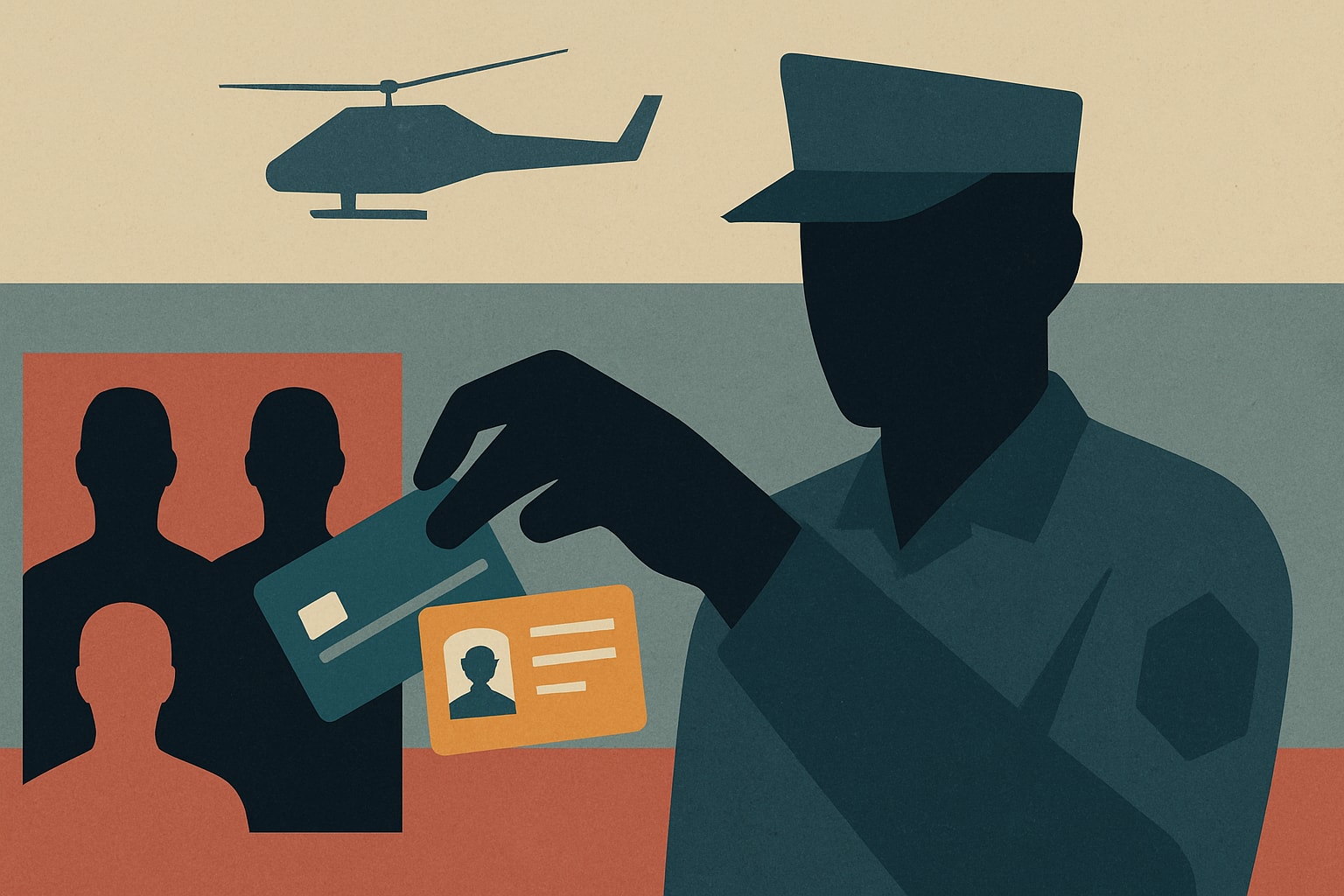
An Army recruiter is under investigation for using the identities of potential recruits for fraudulent financial gain.
What's Happening
- •An Army recruiter has been accused of stealing the identities of recruits.
- •The recruiter applied for loans and credit cards using these stolen identities.
- •Only one of the affected recruits went on to join the Army, indicating a potential breach of trust.
Why It Matters
This incident underscores the critical need for robust data protection measures within military recruiting. Identity theft can have lasting consequences, not only for the individuals involved but also for the integrity of the military as a whole.
What Changes Now
- •The Army may implement stricter data protection measures for recruiters. This change aims to prevent future identity theft incidents and restore trust among recruits.
- •Affected recruits should consider monitoring their credit reports for any unusual activity. This proactive step is essential to mitigate any potential financial damage from the identity theft.
- •Recruiters may face increased oversight and training on handling sensitive information. This ensures that all personnel are aware of the protocols necessary to protect recruits' identities.
What to Watch
- •Watch for updates from the Army regarding new data protection protocols. These changes could be announced in the coming months as a response to this incident.
- •Keep an eye on the outcomes of the investigation into the recruiter’s actions. The results may influence future recruiting practices and policies.
- •Monitor discussions within the military community about identity theft awareness. This could lead to new initiatives aimed at educating recruits on safeguarding their personal information.
Get the Daily Briefing
Military and veteran news that actually affects you, in your inbox each morning.
More Context
- •Details of the Fraudulent Activities: The Army recruiter in question allegedly exploited the personal information of several recruits to secure loans and credit cards without their knowledge. This breach of trust is particularly alarming given the sensitive nature of the information involved, which includes Social Security numbers and financial data. The investigation has revealed that the recruiter was able to bypass standard verification processes, raising questions about the security protocols in place within the recruiting process.
- •Impact on Affected Recruits: The recruits whose identities were stolen were completely unaware of the fraudulent activities until the investigation surfaced. This incident not only affects their financial health but also their trust in the military recruiting process. For those who may have been considering joining the Army, this breach could deter them from pursuing service, fearing similar risks.
- •Military and Veteran Community Response: The military community is reacting with concern over the implications of such identity theft. Active-duty personnel, particularly those in recruiting roles, may face increased scrutiny and potential changes in procedures to prevent similar incidents. Veterans who have experienced similar issues may feel a renewed sense of urgency to advocate for better protections against identity theft within the military framework.
- •What This Means for Future Recruits: Future recruits should remain vigilant about their personal information and understand the risks involved in the recruitment process. It is advisable for recruits to monitor their credit reports and consider placing fraud alerts on their accounts. The military may implement new measures to enhance data security and protect recruits from identity theft, which will be crucial in restoring trust.
Frequently Asked Questions
Does this affect Guard members on Title 10 orders?
Yes, any military personnel, including Guard members on Title 10 orders, should be aware of potential identity theft risks.
Will my BAH change if I move duty stations mid-year?
Your Basic Allowance for Housing (BAH) may change based on your new duty station's cost of living, so it's important to update your information promptly.
Veteran Take
For those who've served, this incident is a stark reminder of how trust can be violated within our own ranks. Veterans navigating this will understand the potential long-term impact on the victims, as identity theft can complicate everything from credit scores to future military applications. It's crucial that the military takes immediate action to strengthen protections and restore faith in the recruiting process.
The Daily Briefing
Military & veteran news that actually affects you — delivered every morning.
- Pay, benefits & policy changes
- Pentagon decisions that matter
- VA updates for veterans & families
- One email. No spam. Unsubscribe anytime.
Related Stories
- FEDVIP Dental Premiums to Rise 1%, Vision Premiums by 1.6% for 2027— Military.com
- Pentagon Threatens Universities Over Foreign Ties, Considers Audits— DefenseScoop
- U.S. Army Expands Activities in Panama Amid Strategic Shift— Military Times
- France to Develop Next-Gen Combat Aircraft After FCAS Collapse— Defense News