Army to Host Commercial Data Centers on Multiple Bases
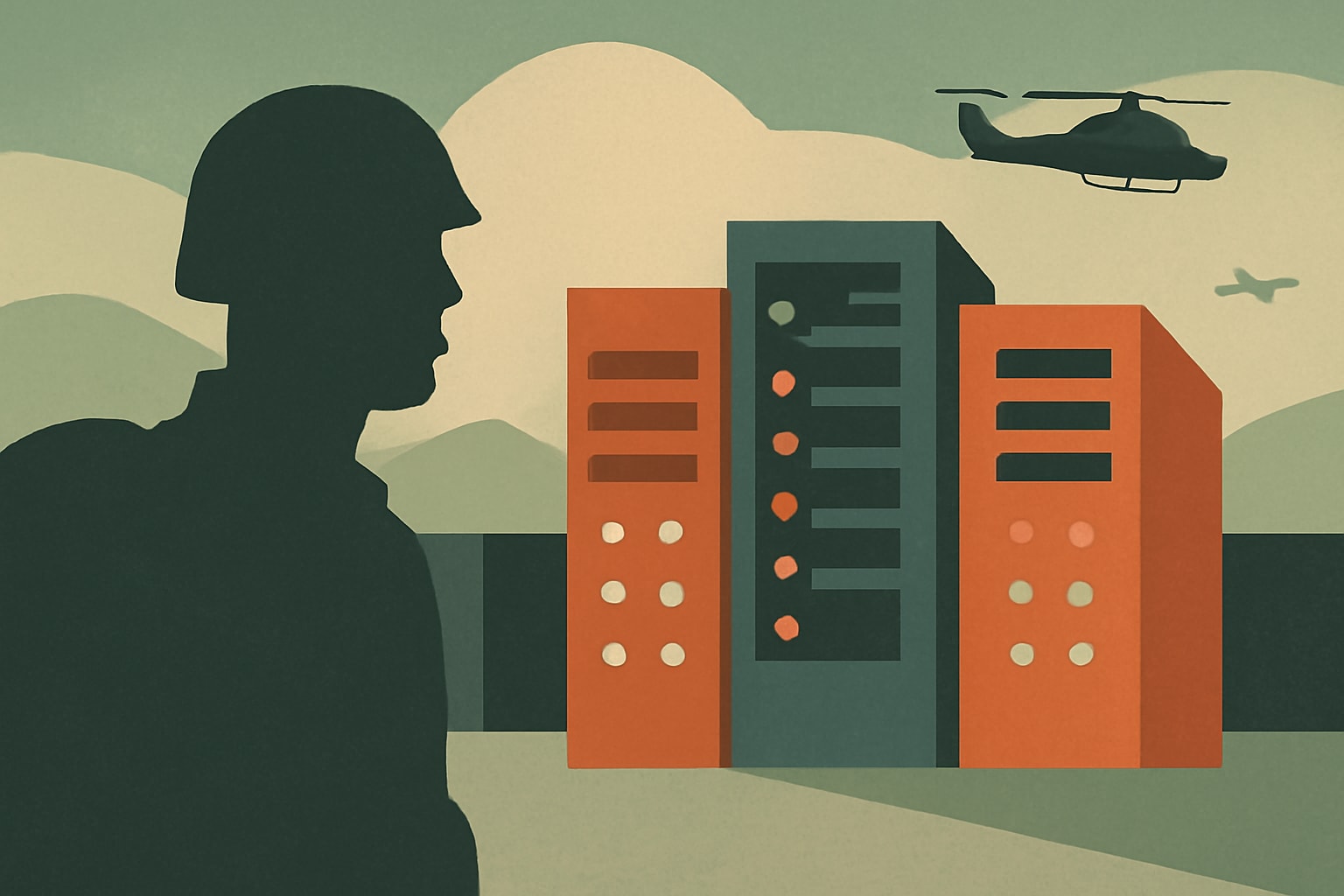
The U.S. Army is planning to establish commercial data centers on at least four military bases to modernize its infrastructure.
What's Happening
- •The Army will establish commercial data centers at Fort Bliss, Texas, and Dugway Proving Ground, Utah.
- •A contracting request has been issued for additional data centers at Fort Bragg, North Carolina, and Fort Hood, Texas.
- •These initiatives aim to modernize the Army's data infrastructure and enhance technological capabilities.
Why It Matters
The establishment of commercial data centers on Army bases is a crucial step in modernizing military infrastructure. Enhanced data capabilities will directly support the operational readiness and effectiveness of service members, ensuring they have the technological resources needed for advanced training and mission success.
What Changes Now
- •The Army will improve data processing and cybersecurity measures at the specified bases. This change is essential for enhancing operational efficiency and securing sensitive information.
- •New job opportunities will arise for military personnel and civilian contractors as data centers are constructed and operated. This will provide valuable employment options in the local economy.
- •The Army will partner with commercial entities to manage these data centers. This collaboration will leverage private sector expertise while maintaining control over critical data security.
What to Watch
- •Monitor the progress of construction and deployment of the data centers. Timelines will be crucial for assessing the Army's modernization efforts and their impact on operations.
- •Keep an eye on the finalization of contracts and operational agreements with commercial partners. The details of these agreements will shape the operational effectiveness of the data centers.
- •Watch for updates on job creation and economic impacts in the surrounding communities. The success of this initiative will depend on the integration of local resources and workforce.
Get the Daily Briefing
Military and veteran news that actually affects you, in your inbox each morning.
More Context
- •Overview of the Data Center Initiative: The U.S. Army is embarking on a significant modernization effort by establishing commercial data centers at several key military installations. Confirmed locations include Fort Bliss in Texas and Dugway Proving Ground in Utah, with additional centers planned for Fort Bragg in North Carolina and Fort Hood in Texas. This initiative is part of the Army's broader strategy to enhance its technological infrastructure and improve data management capabilities across its operations.
- •Implications for Military Operations: The introduction of commercial data centers is expected to greatly enhance the Army's data processing capabilities. By improving data speeds and cybersecurity measures, these centers will facilitate more efficient operational and administrative functions. This modernization will directly support advanced training simulations, research and development activities, and real-time data analysis, all of which are crucial for maintaining military readiness.
- •Economic and Employment Impact: The establishment of these data centers will create new job opportunities for both active-duty personnel and civilian contractors. As construction and operations ramp up, local communities surrounding these bases are likely to experience economic growth. This initiative not only benefits the military but also stimulates local economies through job creation and increased demand for services.
- •Operational Management and Security: The Army plans to partner with commercial entities to operate these data centers, leveraging private sector expertise while ensuring control over critical data and security protocols. Contracts will likely include stringent provisions for data security, redundancy, and disaster recovery. This approach aims to ensure continuous availability of essential services while maintaining high security standards.
- •Future Monitoring and Expectations: As the Army moves forward with this initiative, monitoring the progress of construction and deployment will be essential. Stakeholders should pay attention to the finalization of contracts and operational agreements, as these will dictate the timeline and effectiveness of the data centers. The successful integration of these facilities will serve as a benchmark for the Army's ability to adapt to evolving technological demands.
Veteran Take
For those who've served, the modernization of military infrastructure through commercial data centers is a welcomed development. We understand that having access to advanced technology is critical for operational readiness, and this move signals a commitment to ensuring our service members are equipped for the challenges they face. It's encouraging to see the Army investing in the resources that will ultimately support both current and future generations of military personnel.
The Daily Briefing
Military & veteran news that actually affects you — delivered every morning.
- Pay, benefits & policy changes
- Pentagon decisions that matter
- VA updates for veterans & families
- One email. No spam. Unsubscribe anytime.
Related Stories
- Coast Guard Surpasses Recruitment Goals for Third Consecutive Year— Federal News Network
- Air Force Bases Relocate Aircraft Ahead of Hurricane Isaias— Military Times
- Air Force Launches Initiative for Accurate Spouse Contact Information— Defense News
- Elbit Systems Rebrands U.S. Subsidiary to Twenty-Six Defense— Defense News