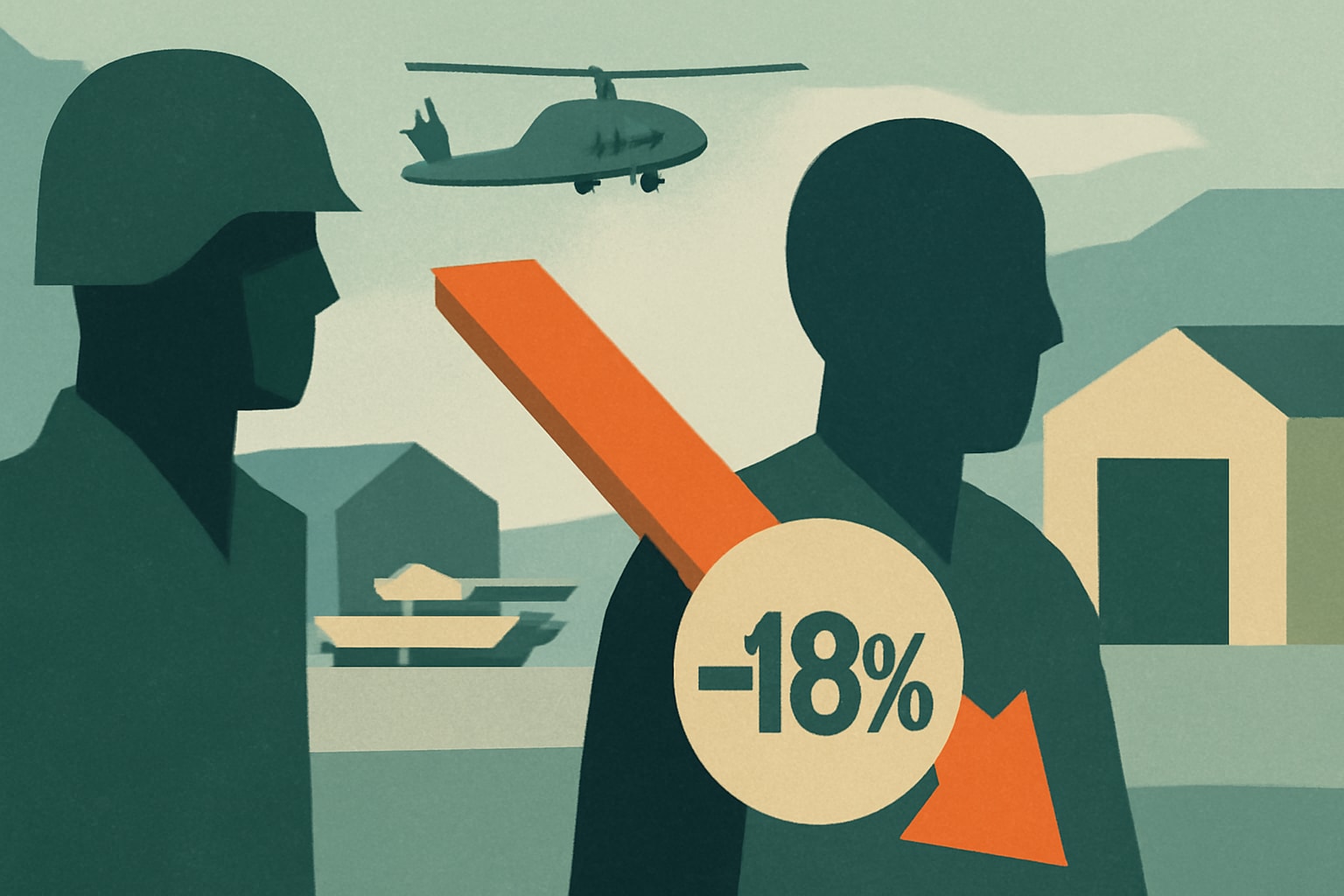
Army Civilian Workforce Decreases by 18% at Major Depots
The Army faces significant workforce reductions, losing nearly 800 employees at key depots, impacting military readiness.
What's Happening
- •The Army lost 18% of its civilian workforce at Anniston and Red River Army Depots from fiscal 2021 to 2025.
- •Nearly 800 permanent and term-limited employees have been affected by these reductions.
- •This workforce loss raises concerns about the Army's operational capabilities and maintenance support.
Why It Matters
The reduction of the civilian workforce at key Army depots directly impacts military readiness and operational capabilities. For service members and veterans, these changes may affect job opportunities and the overall stability of defense-related employment in their communities.
What Changes Now
- •The Army may implement new operational strategies to cope with reduced staffing levels. This could involve prioritizing maintenance tasks and adjusting training schedules to ensure critical equipment remains operational.
- •Civilian employees may face job insecurity and increased workloads as the depots adapt to reduced personnel. Those currently employed should seek updates from management regarding their positions and any potential layoffs.
- •Service members may experience delays in equipment maintenance and repairs, affecting their operational readiness. It's important for them to communicate with their leadership about any impacts on their missions.
What to Watch
- •Upcoming announcements from Army leadership regarding staffing strategies. These decisions will be crucial in determining how the Army plans to address the workforce reduction and its implications for readiness.
- •Future GAO reports on the impacts of workforce reductions at military depots. These reports may provide insights into long-term strategies and resource allocations.
- •Potential changes in job openings or employment policies at the depots. Monitoring these changes will be essential for those seeking employment in defense-related roles.
Get the Daily Briefing
Military and veteran news that actually affects you, in your inbox each morning.
More Context
- •Overview of Workforce Reductions: The Government Accountability Office (GAO) reported that the Anniston and Red River Army Depots have seen a significant decrease in their civilian workforce. This loss of nearly 800 employees represents an 18% reduction, which could have serious implications for the Army's ability to maintain and repair military equipment efficiently. The civilian workforce plays a crucial role in supporting military operations, and such a reduction raises questions about the sustainability of these depots in meeting operational demands.
- •Impact on Military Readiness: The reduction in civilian personnel at these depots could directly affect the Army's readiness. With fewer workers available to perform maintenance and repairs, there may be delays in getting equipment back into service, which could impact training and operational capabilities. Active duty personnel, particularly those in maintenance-related MOSs such as 91B (Wheeled Vehicle Mechanic) and 91C (Utilities Equipment Repairer), may face increased workloads or delays in mission support due to these staffing shortages.
- •Who Is Affected?: This workforce reduction primarily affects civilian employees at the Anniston and Red River Army Depots, which are critical to the Army's logistics and maintenance operations. Additionally, active-duty service members who rely on these depots for equipment maintenance, particularly those in combat support roles, may experience operational challenges. The impact extends to military families who depend on stable employment and job security within the defense sector.
- •What Changes Now?: With the reduction in workforce, the Army may need to reassess its operational strategies and prioritize which maintenance tasks are most critical. This could lead to changes in how equipment is managed and maintained, potentially affecting training schedules and deployment readiness. Employees and service members should stay informed about any changes in operational procedures and be prepared for potential impacts on their roles.
- •Looking Ahead: As the Army navigates these workforce challenges, it will be important to monitor how these changes affect overall military readiness. Stakeholders should watch for announcements from Army leadership regarding future staffing plans and operational adjustments. Additionally, the GAO may release further reports on the implications of these workforce reductions, providing insight into the Army’s long-term strategies for maintaining its capabilities.
Frequently Asked Questions
Will there be layoffs at the depots?
Yes, layoffs are possible as the Army adjusts to the reduced workforce, impacting both civilian employees and potentially service members.
How will this affect maintenance schedules?
Maintenance schedules may be delayed due to the reduced number of personnel available to perform necessary repairs.
What can I do if I work at one of the affected depots?
Stay informed about changes from your management and consider exploring other job opportunities within the Army or defense sector.
The Daily Briefing
Military & veteran news that actually affects you — delivered every morning.
- Pay, benefits & policy changes
- Pentagon decisions that matter
- VA updates for veterans & families
- One email. No spam. Unsubscribe anytime.
Related Stories
- Trump's Military Spouse Commission Holds Inaugural Meeting to Address Key Issues— Navy Times
- Trump’s Military Spouse Commission Tackles Employment and Healthcare Challenges— Military Times
- Military Kids Gain New Scholarship Opportunities as Month of the Military Child Turns 40— Military.com
- Jonny Kim, Navy SEAL and Astronaut, Returns to Active Duty— Military Times