Army Investigates Use of Autonomous Robots for Vehicle Recovery in Combat Zones
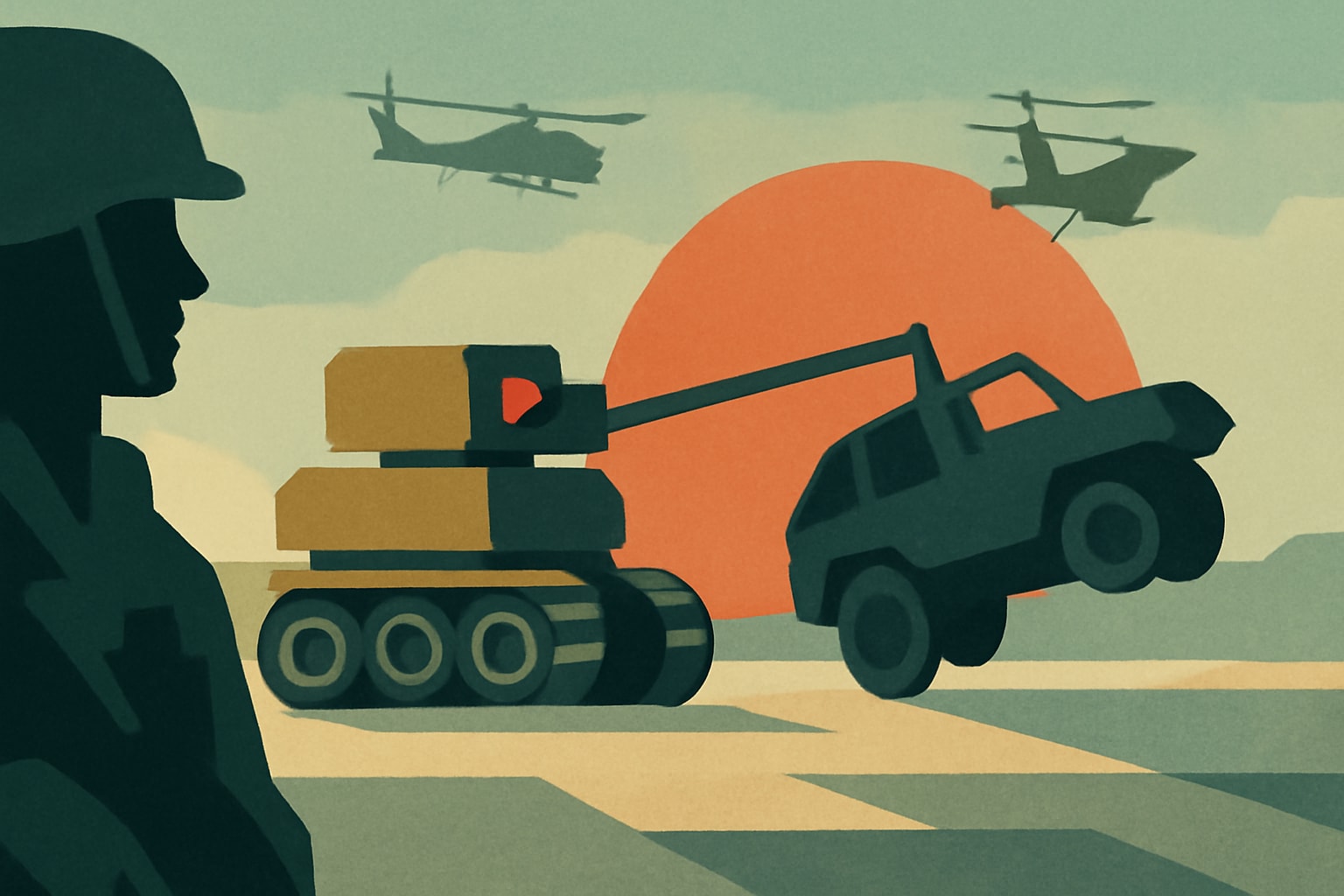
The Army is looking to implement autonomous ground vehicles for recovering downed equipment, inspired by Ukraine's use of similar technology.
What's Happening
- •The Army is exploring the use of autonomous robots to recover downed vehicles in combat zones.
- •This initiative is influenced by Ukraine's successful deployment of unmanned ground vehicles during the ongoing conflict with Russia.
- •The robots are being tested for various tasks, including medical evacuations and logistics resupply.
Why It Matters
The Army's initiative to utilize autonomous vehicles for recovering downed equipment directly impacts operational safety for service members. By reducing the risk to personnel during recovery missions, the Army can enhance its effectiveness in combat zones, which is crucial for maintaining readiness and mission success.
What Changes Now
- •The Army is beginning to integrate autonomous robots into recovery operations. This change will enhance the safety of personnel by minimizing their exposure to danger during recovery missions.
- •Service members may see a shift in their roles as technology takes on more hazardous tasks. This could lead to a reallocation of responsibilities within combat units, allowing soldiers to focus on other critical missions.
- •The Army's testing phase for these robots is set to begin soon. This phase is crucial for evaluating the effectiveness and reliability of the technology in real-world scenarios.
What to Watch
- •Upcoming tests of autonomous recovery robots are scheduled for the next quarter. These tests will determine the viability of the technology for operational use in combat zones.
- •The Army will release findings from the testing phase later this year. These findings will provide insight into how the technology performs and its potential integration into existing operations.
- •Future budget allocations may reflect the Army's commitment to developing autonomous technologies. Watch for announcements regarding funding for research and development in this area.
Get the Daily Briefing
Military and veteran news that actually affects you, in your inbox each morning.
More Context
- •The Need for Autonomous Recovery Solutions: As combat operations evolve, the need for efficient recovery of downed vehicles becomes increasingly critical. Autonomous robots could significantly reduce the risk to personnel during recovery missions, allowing for safer operations in hostile environments. The Army's interest in leveraging technology to enhance operational capabilities aligns with modern warfare's demands, where rapid response and minimal risk are paramount.
- •Learning from Ukraine's Experience: The Army's exploration of autonomous vehicles is heavily influenced by the ongoing conflict in Ukraine, where unmanned ground vehicles have been utilized effectively for various missions. These vehicles have demonstrated their ability to perform tasks such as logistics resupply and medical evacuations under combat conditions. By examining these real-world applications, the Army aims to adopt proven strategies that can enhance its operational effectiveness and reduce casualties.
- •Potential Impact on Troops and Operations: The introduction of autonomous recovery robots could have a profound impact on the roles of service members in combat zones. For instance, combat arms soldiers, particularly those in the E-4 to E-6 rank bands, may see a shift in their responsibilities as technology takes on more hazardous tasks. This change could free up personnel for other critical missions, ultimately enhancing overall mission success.
- •Next Steps for Implementation: The Army is currently in the experimental phase of integrating autonomous vehicles into its operational framework. Future developments will include rigorous testing and evaluation to ensure these robots can perform reliably in various combat scenarios. As the Army moves forward, it will be essential to monitor the effectiveness of these technologies and their integration into existing military protocols.
Frequently Asked Questions
Will autonomous robots be used in all combat zones?
The Army plans to test autonomous robots in various combat environments to evaluate their effectiveness before widespread deployment.
How will this affect my role in recovery missions?
As autonomous technology is integrated, your role may shift to focus on oversight and support rather than direct recovery efforts.
When can we expect to see these robots in action?
The Army aims to complete testing within the next year, with potential deployment following successful evaluations.
Veteran Take
For those who've served, the idea of using autonomous robots for vehicle recovery is a welcome advancement. We've all seen the dangers that come with retrieving downed equipment in hostile environments, and any technology that reduces the risk to our fellow service members is worth exploring. This initiative not only enhances safety but also reflects a commitment to maintaining operational readiness, which is vital for mission success.
The Daily Briefing
Military & veteran news that actually affects you — delivered every morning.
- Pay, benefits & policy changes
- Pentagon decisions that matter
- VA updates for veterans & families
- One email. No spam. Unsubscribe anytime.
Related Stories
- FEDVIP Dental Premiums to Rise 1%, Vision Premiums by 1.6% for 2027— Military.com
- Pentagon Threatens Universities Over Foreign Ties, Considers Audits— DefenseScoop
- US Army Considers Balloons for Military Operations— Military Times
- Pentagon Seeks Expertise to Develop Brain Injury Assessment Standards— Military Times