Army Forms New Command to Enhance Pacific Operations
The Army has established a new command merging the 7th Infantry Division and 1st Multi-Domain Task Force to bolster its presence in the Pacific region.
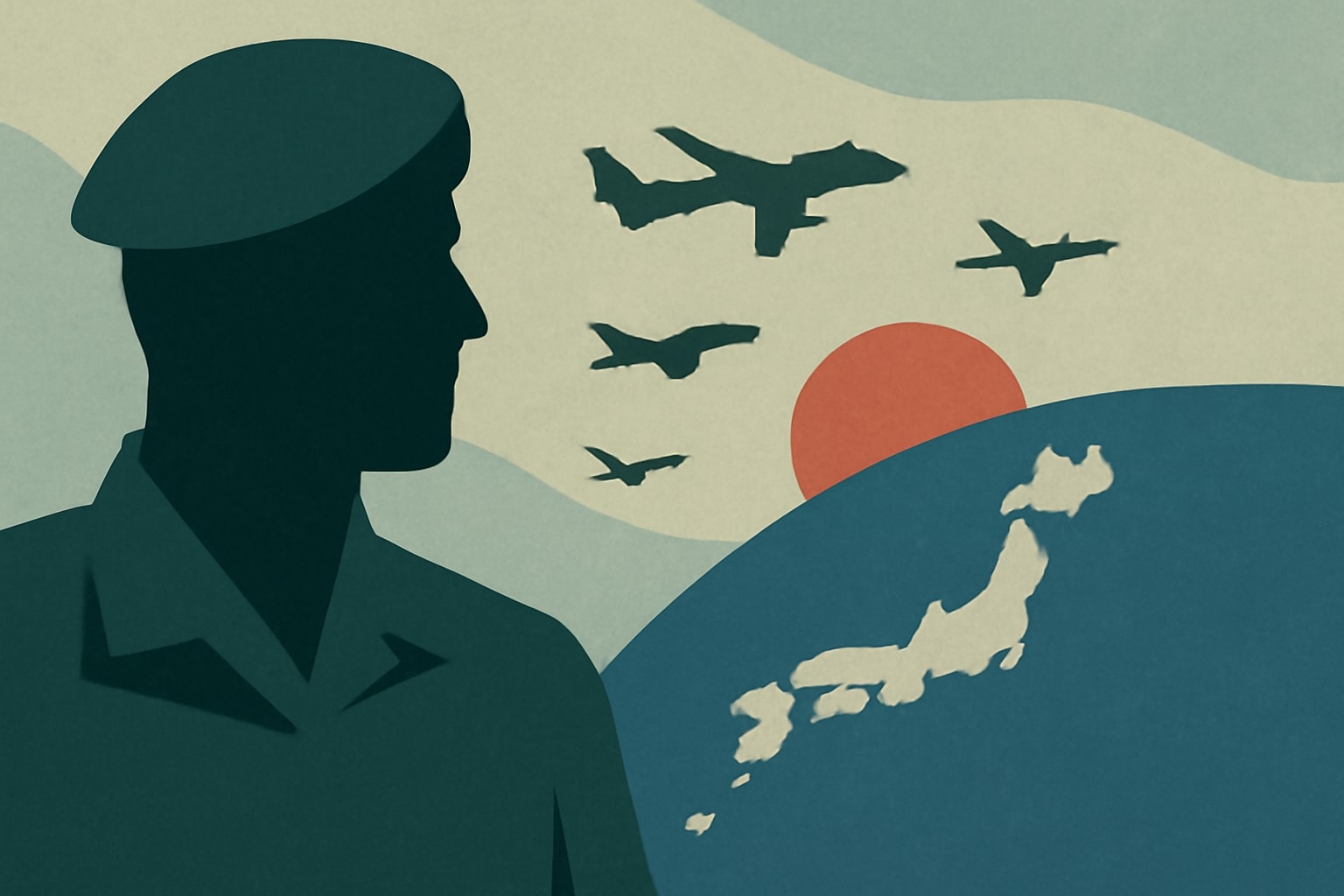
What's Happening
- •The Army has formed a new command that combines the 7th Infantry Division and the 1st Multi-Domain Task Force.
- •This new command aims to create a 'covering force' in the Pacific theater.
- •The restructuring is part of the Army's strategy to enhance readiness and response capabilities in the region.
Why It Matters
The establishment of this new command reflects the Army's commitment to enhancing its operational capabilities in the Pacific, a region of increasing strategic importance. For service members and their families, this change could mean new training opportunities, shifts in deployment patterns, and the necessity for families to adapt to evolving military commitments.
What Changes Now
- •The Army is restructuring its command in the Pacific, merging two significant units. This change aims to improve operational efficiency and readiness in response to regional threats.
- •Active duty soldiers in combat arms will see a shift in training focus. They will need to adapt to new protocols emphasizing multi-domain operations and joint exercises.
- •Reserve and National Guard units may receive more training and deployment opportunities in the Pacific. This could lead to increased engagement with active duty forces and enhanced readiness.
What to Watch
- •Monitor upcoming training schedules for the newly formed command. These schedules will detail joint exercises and operational readiness drills in the Pacific region.
- •Watch for announcements regarding deployment rotations for soldiers in the 7th Infantry Division. Changes in deployment patterns may impact family readiness programs and support services.
- •Keep an eye on updates from the Army regarding resource allocation for Reserve and National Guard units. This will indicate how these units will integrate into the new command structure.
Get the Daily Briefing
Military and veteran news that actually affects you, in your inbox each morning.
More Context
- •Overview of the New Command Structure: The newly established command merges the 7th Infantry Division and the 1st Multi-Domain Task Force, signaling a strategic shift in how the Army operates in the Pacific. This integration is designed to streamline operations and improve coordination among units, enhancing the Army's ability to respond to emerging threats in the region. The command will focus on multi-domain operations, which encompass land, air, sea, space, and cyber domains, ensuring a comprehensive approach to military readiness.
- •Implications for Active Duty Personnel: Active duty soldiers, particularly those in combat arms MOSs such as infantry (11B) and armor (19K), will see direct implications from this command restructuring. The new command aims to enhance training and operational opportunities for these soldiers, potentially leading to increased deployments and exercises in the Pacific. Soldiers can expect updated training protocols that emphasize joint operations and interoperability with other military branches and allied forces.
- •Impact on Reserve and National Guard Units: Reserve and National Guard units may also be affected by the formation of this new command. As the Army increases its focus on the Pacific, there may be more opportunities for these units to participate in joint training exercises and deployments. Specifically, soldiers in the Army National Guard and Reserve components with relevant skills may find their expertise in demand as the Army seeks to bolster its capabilities in the region.
- •What This Means for Military Families: Military families should prepare for potential changes in deployment schedules and family readiness programs as the Army adjusts its focus to the Pacific. Increased operational tempo may lead to more frequent or longer deployments for service members, impacting family dynamics and support systems. Families can access resources through military family support centers to help navigate these changes and ensure they are prepared for the challenges that may arise.
Frequently Asked Questions
Does this affect Guard members on Title 10 orders?
Yes, Guard members on Title 10 orders may see changes in their roles and responsibilities as the Army integrates units under the new command.
Will my BAH change if I move duty stations mid-year?
If you move duty stations mid-year, your Basic Allowance for Housing (BAH) may change based on the new location's rates.
What are the training implications for soldiers in the new command?
Soldiers in the new command will undergo updated training focusing on multi-domain operations and joint exercises with other military branches.
Veteran Take
For those who've served, the establishment of a new command in the Pacific is a clear signal that the military is adapting to modern challenges. This shift not only emphasizes the importance of readiness in a strategic region but also highlights the ongoing need for veterans to stay informed about how these changes might affect their brothers and sisters still in uniform. Veterans navigating this will likely reflect on their own experiences, understanding the complexities of deployments and the impact on military families.
The Daily Briefing
Military & veteran news that actually affects you — delivered every morning.
- Pay, benefits & policy changes
- Pentagon decisions that matter
- VA updates for veterans & families
- One email. No spam. Unsubscribe anytime.
Related Stories
- Marine Corps Requires Annual Gas Mask Fit Tests for All Marines— Military.com
- How the Army Used ‘Ghost Tapes’ for Psychological Warfare in Vietnam— Military.com
- Army’s H2F Program Linked to Faster Injury Recovery Among Soldiers— Military Times
- Lockheed Martin Receives First Batch of Patriot Interceptor Parts from General Motors— Military Times