Army Introduces Handheld Device for Quick Traumatic Brain Injury Detection
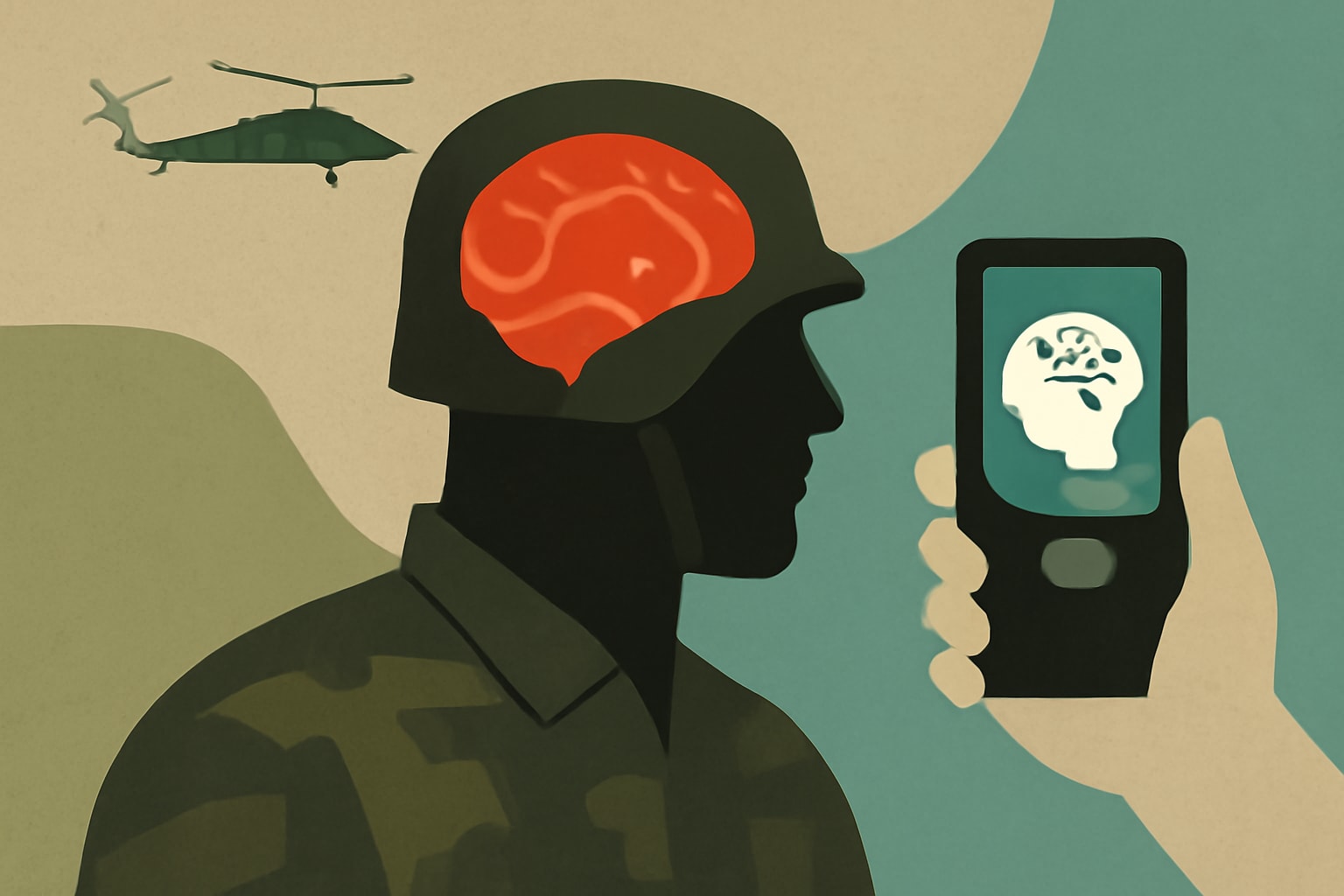
A new handheld blood-testing device allows for the rapid detection of traumatic brain injuries in soldiers in just 15 minutes.
What's Happening
- •The Army is rolling out a handheld device for detecting traumatic brain injuries.
- •This device provides results in just 15 minutes, significantly speeding up diagnosis.
- •The introduction of this technology aims to improve soldier health and operational readiness.
Why It Matters
Traumatic brain injuries are a significant concern for military personnel, especially those in combat roles. Quick detection and treatment can prevent long-term health issues, making this device a crucial advancement in military healthcare.
What Changes Now
- •The Army is implementing the use of a new handheld device for TBI detection. This change allows medics to provide immediate care, potentially improving recovery outcomes for injured soldiers.
- •Training programs will be established for medics on how to use the new device. This ensures that medical personnel are prepared to utilize this technology effectively in the field.
- •The device will be deployed in combat zones first, with plans for broader distribution. This phased approach allows the Army to assess its effectiveness before widespread implementation.
What to Watch
- •Monitor the rollout schedule for the device in various units. The Army plans to deploy it first to frontline medical teams by the end of the year.
- •Watch for training updates for medics on using the device. Training sessions are expected to begin within the next quarter.
- •Keep an eye on feedback from initial users regarding the device's effectiveness. This feedback will influence future medical protocols and device improvements.
Get the Daily Briefing
Military and veteran news that actually affects you, in your inbox each morning.
More Context
- •Overview of the Device: The Army's new handheld blood-testing device is designed to quickly identify traumatic brain injuries (TBIs), which are common among service members, especially those in combat roles. By providing results in just 15 minutes, this technology allows for immediate medical intervention, which is critical in preventing long-term damage and ensuring that soldiers receive timely care. The device works by analyzing blood samples for biomarkers associated with brain injuries, making it a vital tool for medics in the field.
- •Impact on Soldier Health and Readiness: The introduction of this device is a significant advancement in military medicine, particularly for active-duty soldiers in combat arms roles, such as infantry and armor. Quick detection of TBIs can lead to faster treatment and recovery, ultimately enhancing the overall readiness of units. Soldiers who suffer from undiagnosed TBIs may experience debilitating symptoms that affect their performance and quality of life, making this device a critical asset in maintaining a healthy fighting force.
- •Who Will Use This Device?: This device will primarily benefit medics and healthcare providers across all branches of the military, particularly those serving in forward operating bases and combat zones. For example, 68W Army medics and Navy corpsmen will be trained to use this device as part of their medical response protocols. The goal is to ensure that all frontline medical personnel are equipped with the tools necessary to assess and treat TBIs on the spot, thereby reducing the risk of complications for injured service members.
- •Future Considerations: As the Army rolls out this device, it will be important to monitor its integration into existing medical protocols. The effectiveness of the device in real-world scenarios will be evaluated, and feedback from users will shape future iterations of the technology. Additionally, ongoing training for medics will be essential to ensure that they are proficient in using the device and interpreting its results accurately.
Frequently Asked Questions
How does the device detect traumatic brain injuries?
The device analyzes blood samples for specific biomarkers associated with TBIs.
Who will be trained to use this device?
Primarily, 68W Army medics and Navy corpsmen in combat zones will receive training.
What are the implications for soldier health?
Quick detection can lead to faster treatment, reducing the risk of long-term complications from TBIs.
Veteran Take
For those who've served, the introduction of a handheld device for quick traumatic brain injury detection is a game changer. We know all too well the hidden scars of combat, and having the ability to diagnose these injuries swiftly can make a significant difference in recovery and long-term health. This advancement not only shows a commitment to the well-being of our troops but also underscores the importance of addressing the invisible wounds of war.
The Daily Briefing
Military & veteran news that actually affects you — delivered every morning.
- Pay, benefits & policy changes
- Pentagon decisions that matter
- VA updates for veterans & families
- One email. No spam. Unsubscribe anytime.
Related Stories
- Watchdog Report Reveals Security Flaws in Pentagon Wireless Services— Task & Purpose
- Marine Corps Invests $19.25 Million in Electric Seaglider Technology— Military.com
- 3rd Battalion, 75th Ranger Regiment Named Best Squad at AUSA 2026— Army Times
- US Army Hackathon Promotes Collaboration on Autonomous Systems— Military Times