Army Fields Handheld Device for Rapid Traumatic Brain Injury Detection
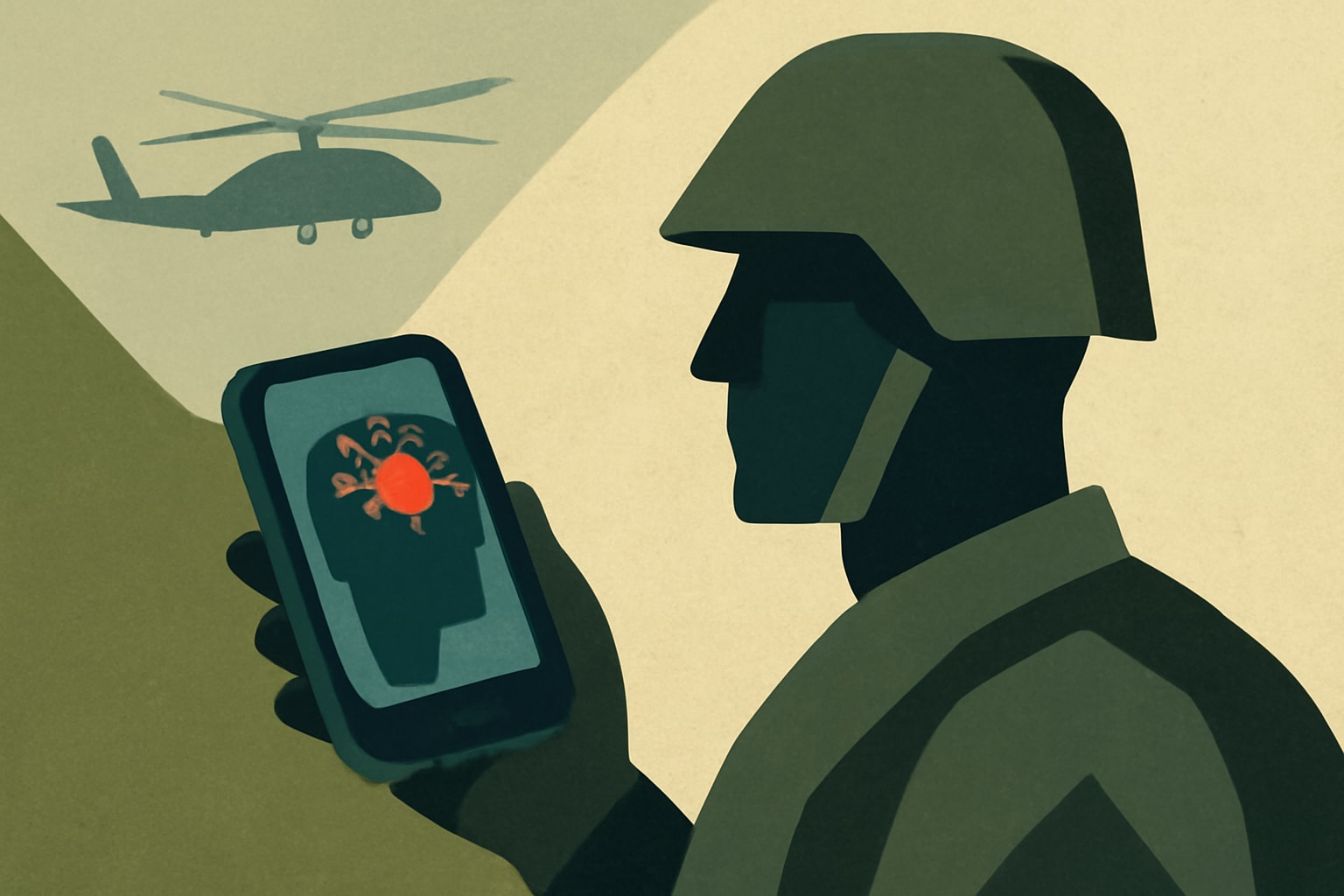
A new handheld device can detect traumatic brain injuries in soldiers within 15 minutes, improving response times for treatment.
What's Happening
- •The Army has introduced a handheld blood-testing device for detecting traumatic brain injuries.
- •This device can provide results in just 15 minutes, significantly faster than traditional methods.
- •The technology aims to improve immediate medical responses for soldiers in combat situations.
Why It Matters
Timely detection of traumatic brain injuries is crucial for service members' health and recovery. The introduction of this device can potentially save lives and enhance the overall readiness of military personnel by ensuring they receive prompt medical attention when needed.
What Changes Now
- •The Army is implementing the use of a new handheld device for TBI detection. This change means that soldiers will receive quicker assessments in the field, facilitating faster medical interventions.
- •Medical personnel will undergo training to effectively use this new device. This training will ensure that evaluations are accurate and that soldiers understand the importance of reporting head injuries.
- •The device will be integrated into existing medical protocols during training exercises and deployments. This integration highlights the Army's commitment to improving soldier health and readiness.
What to Watch
- •Watch for updates on training schedules for medical personnel using the new device. This will inform soldiers when they can expect to receive evaluations using this technology.
- •Monitor feedback from initial users of the device in the field. This feedback will provide insights into its effectiveness and any necessary adjustments to protocols.
- •Keep an eye on the Army's evaluation of the device's impact on soldier health outcomes. This will determine the long-term viability and potential expansion of its use.
Get the Daily Briefing
Military and veteran news that actually affects you, in your inbox each morning.
More Context
- •Overview of the New Device: The Army's new handheld blood-testing device represents a significant advancement in the rapid assessment of traumatic brain injuries (TBIs). Designed for use in both combat and training environments, this device allows medical personnel to quickly evaluate soldiers who may have sustained head injuries. With results available in just 15 minutes, the device aims to streamline the decision-making process for treatment, potentially leading to better outcomes for affected service members.
- •Who Benefits from This Technology?: Active duty soldiers, particularly those in combat roles such as infantry (11B) and military police (31B), will benefit most from this new technology. Additionally, Reserve Component members who may be deployed in high-risk environments will also find this device crucial for timely medical assessments. The ability to quickly identify TBIs can help ensure that affected soldiers receive the necessary care without delay, which is vital for their recovery and return to duty.
- •Practical Implications for Service Members: With the introduction of this device, soldiers will experience a shift in how medical evaluations are conducted in the field. Medical personnel will be trained to use this device effectively, ensuring that evaluations are both accurate and timely. Soldiers should be aware that this technology may be utilized during training exercises and deployments, emphasizing the importance of reporting any head injuries immediately to receive appropriate assessments.
- •Future Developments and Considerations: As the Army rolls out this new device, it will be essential to monitor its integration into existing medical protocols. Future evaluations will assess the device's effectiveness in various operational environments and its impact on soldier health outcomes. Additionally, service members should keep an eye on updates regarding training schedules for medical personnel on the use of this device, as well as any feedback from early users.
Frequently Asked Questions
How quickly can this device detect TBIs?
The device can detect traumatic brain injuries in just 15 minutes.
Who will be using this device?
Active duty soldiers and Reserve Component members in combat roles will primarily use this device.
What should I do if I suspect a TBI?
Report any head injuries immediately to medical personnel, who can then use the device for a quick assessment.
Veteran Take
For those who've served, the introduction of a handheld device for rapid TBI detection is a significant step forward in addressing the invisible wounds of war. Timely diagnosis can make all the difference in recovery and long-term health, and this technology could help ensure that service members get the care they need before symptoms worsen. Veterans navigating the aftermath of brain injuries know all too well the importance of early intervention, and this advancement could lead to better outcomes for future generations.
The Daily Briefing
Military & veteran news that actually affects you — delivered every morning.
- Pay, benefits & policy changes
- Pentagon decisions that matter
- VA updates for veterans & families
- One email. No spam. Unsubscribe anytime.
Related Stories
- Watchdog Report Reveals Security Flaws in Pentagon Wireless Services— Task & Purpose
- Marine Corps Invests $19.25 Million in Electric Seaglider Technology— Military.com
- U.S. Army Returns to Jungle Training with Panamanian Forces— Military Times
- US Army Receives First Mobile Cannon to Replace M777 Howitzer— Military Times