Army Develops Exoskeleton to Aid Injured Troops on the Battlefield
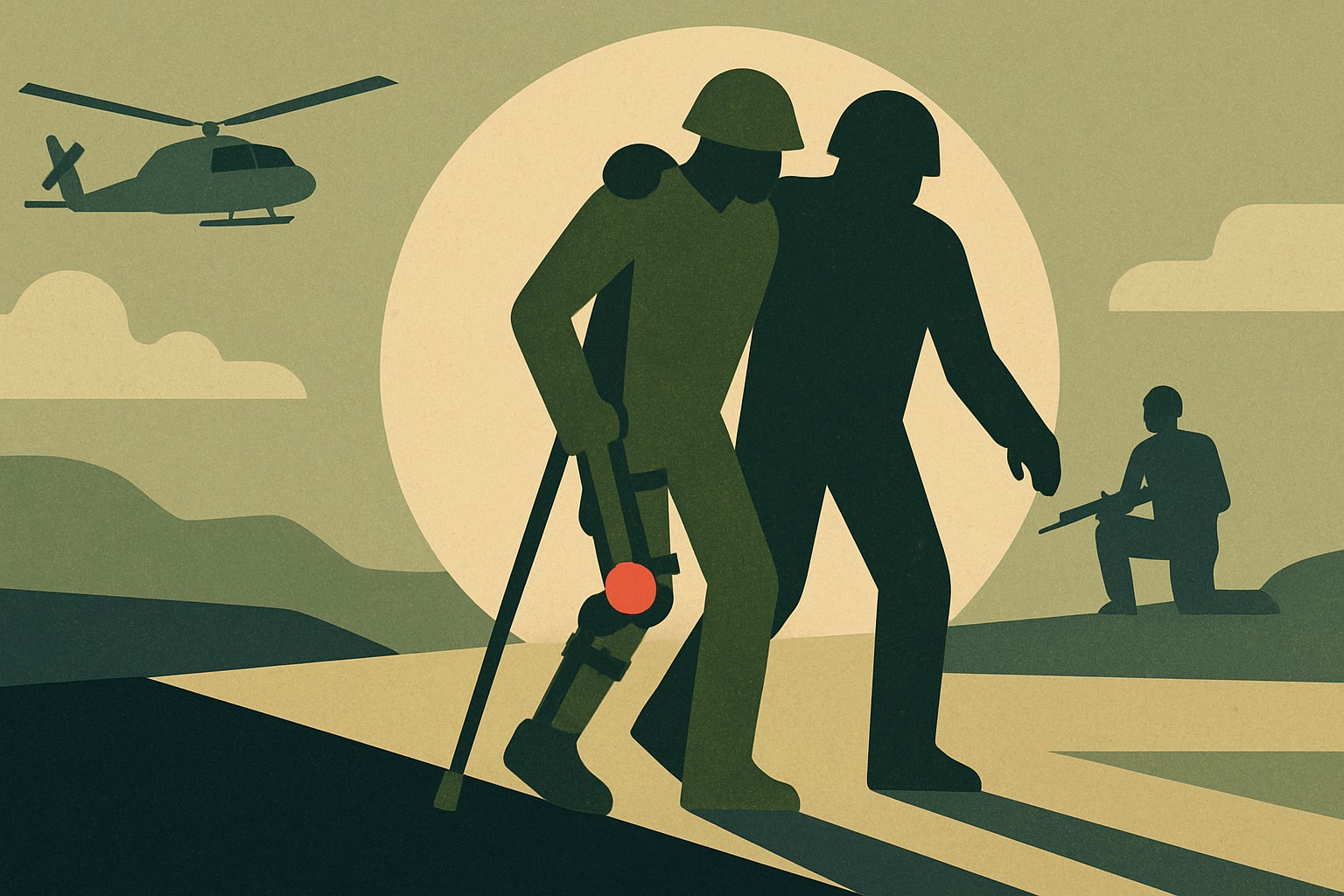
A new exoskeleton technology allows injured soldiers to stand and walk when evacuation is delayed or impossible.
What's Happening
- •The Army is developing a new exoskeleton designed for lower-limb injuries.
- •This technology enables injured troops to stand and walk when evacuation is not feasible.
- •The exoskeleton aims to improve the mobility and survivability of soldiers in combat.
Why It Matters
The development of an exoskeleton for injured soldiers represents a significant leap in military medical technology. For service members, this innovation could mean the difference between life and death in combat situations, enhancing their ability to remain operational despite injuries.
What Changes Now
- •The Army is actively developing the exoskeleton technology for battlefield use. This change is critical for soldiers who may face injuries in combat, improving their chances of survival.
- •Prototypes of the exoskeleton are expected to be tested in field exercises by 2028. This timeline allows units to prepare for its integration into their operations.
- •The technology aims to enhance the mobility of injured troops, allowing them to perform essential tasks. This capability could significantly impact mission outcomes in high-stakes scenarios.
What to Watch
- •Watch for updates on prototype testing scheduled for 2028. This will provide insights into the technology's effectiveness and potential operational integration.
- •Monitor Army announcements regarding the timeline for full deployment of the exoskeleton. Understanding this timeline will help soldiers and units prepare for its use.
- •Keep an eye on feedback from soldiers who test the exoskeleton in training. Their experiences will inform future developments and refinements of the technology.
Get the Daily Briefing
Military and veteran news that actually affects you, in your inbox each morning.
More Context
- •Overview of the Exoskeleton Technology: The Army's new exoskeleton technology is a significant advancement aimed at addressing lower-limb injuries sustained in combat. Designed for use in scenarios where evacuation is delayed or impossible, this device allows injured soldiers to regain mobility, enabling them to stand, walk, and even shoot if necessary. This capability is crucial in battlefield situations where immediate medical assistance is not available, potentially saving lives and enhancing mission success.
- •Impact on Soldiers and Units: This development primarily affects combat arms soldiers, particularly those in the ranks of E-4 to E-6 who may face injuries during operations. Additionally, units that deploy frequently in high-risk environments, such as infantry and special operations forces, will find this technology beneficial. The exoskeleton not only aids individual soldiers but also enhances unit cohesion and effectiveness by allowing injured personnel to remain in the fight longer.
- •Practical Changes and Implementation Timeline: The Army plans to integrate this exoskeleton technology into training and operational protocols over the next few years. Soldiers may begin to see prototypes during field exercises as early as 2028, with full deployment expected by 2030. This timeline is crucial for units preparing for future conflicts, as it will allow them to adapt to new technologies that enhance soldier survivability.
Frequently Asked Questions
How will the exoskeleton be used in the field?
The exoskeleton will allow injured soldiers to stand and walk, enabling them to continue fighting or seek cover until evacuation is possible.
When will this technology be available for soldiers?
Prototypes are expected to be tested in 2028, with full deployment anticipated by 2030.
Veteran Take
For those who've served, the idea of an exoskeleton to help injured comrades is both exciting and deeply meaningful. We know all too well the challenges faced on the battlefield, and having the ability to stand and move despite injuries can change the game for many. This technology not only represents a step forward in medical support but also reinforces the commitment to ensuring that no soldier is left behind, even in the direst of circumstances.
The Daily Briefing
Military & veteran news that actually affects you — delivered every morning.
- Pay, benefits & policy changes
- Pentagon decisions that matter
- VA updates for veterans & families
- One email. No spam. Unsubscribe anytime.
Related Stories
- Pentagon Cuts Army Civilian Hiring Time from 161 Days to 47— Federal News Network
- Army Pilots AI-Backed Maintenance Program to Streamline Repairs— DefenseScoop
- Army Adopts Venture Capital Strategies to Accelerate Tech Acquisition— Federal News Network
- Army Special Operations Command Prepares for Large-Scale Warfare— Task & Purpose