Army Develops Exoskeleton for Lower-Limb Injuries on the Battlefield
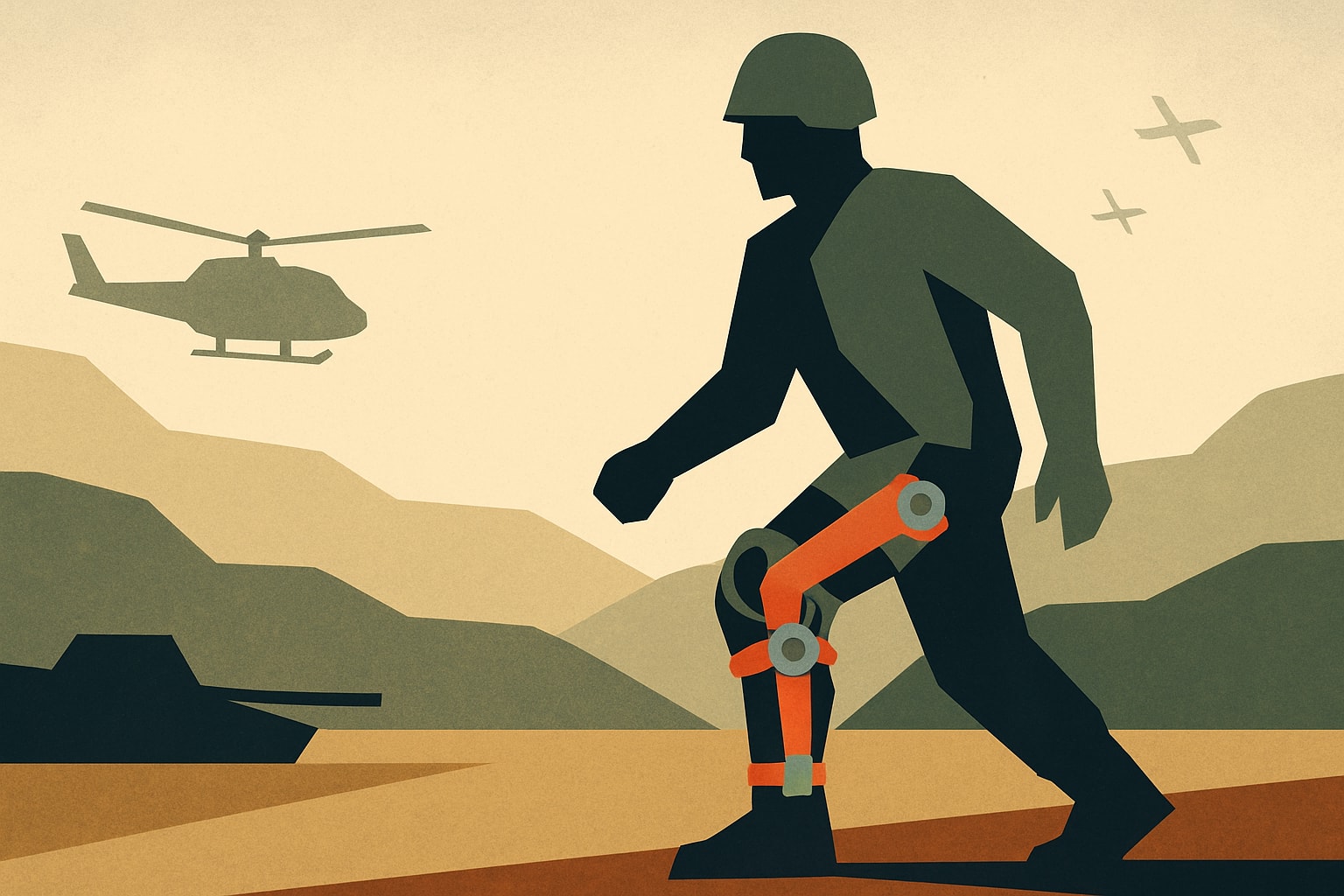
The Army is creating an exoskeleton to assist injured troops in standing and moving when evacuation is not possible.
What's Happening
- •The Army is developing a new exoskeleton designed for lower-limb injuries.
- •This technology allows injured troops to stand, walk, and shoot when evacuation is not feasible.
- •The exoskeleton aims to enhance the operational capability of soldiers in critical situations.
Why It Matters
The development of the exoskeleton technology represents a significant leap in military medical advancements, directly impacting the effectiveness and survivability of injured soldiers. For veterans and active-duty service members, this innovation could change the landscape of battlefield injuries, allowing for continued engagement and potentially reducing long-term disability rates.
What Changes Now
- •The Army will begin training soldiers on the use of the new exoskeleton technology. This training is essential for ensuring that troops can effectively utilize the equipment in combat situations.
- •Medical protocols may be updated to include the exoskeleton in treatment plans for injured soldiers. This could lead to improved recovery outcomes and faster rehabilitation processes.
- •Soldiers should prepare for potential changes in operational procedures as the exoskeleton is integrated into combat scenarios. Understanding how to operate this technology will be crucial for maintaining effectiveness on the battlefield.
What to Watch
- •Upcoming training schedules for the exoskeleton will be announced in the near future. Soldiers should stay alert for communications from their units regarding when and how they will receive training.
- •The Army will conduct evaluations of the exoskeleton's performance in real-world scenarios. These assessments will determine the technology's effectiveness and influence its broader adoption.
- •Future updates from Army leadership regarding the integration of this technology into standard operating procedures will be important to monitor. Decisions made in these discussions will impact how quickly the exoskeleton is rolled out across units.
Get the Daily Briefing
Military and veteran news that actually affects you, in your inbox each morning.
More Context
- •Overview of the Exoskeleton Technology: The Army's new exoskeleton technology is a significant advancement aimed at supporting soldiers who sustain lower-limb injuries during combat. This device is designed to enable injured troops to maintain mobility, allowing them to stand and move even when immediate evacuation is not possible. By integrating advanced robotics and engineering, the exoskeleton enhances the soldier's ability to perform essential tasks such as shooting and maneuvering, which are critical in combat scenarios. This development not only aims to improve the survivability of injured soldiers but also to maintain their effectiveness on the battlefield.
- •Impact on Soldiers and Units: Active-duty soldiers, particularly those in combat arms MOSs such as 11B Infantry and 19D Cavalry Scouts, will be directly affected by this technology. The ability to use an exoskeleton can significantly change the dynamics of battlefield injuries, potentially reducing the number of casualties by allowing injured soldiers to continue fighting or to better position themselves for evacuation. This technology could also be beneficial for Reserve Component soldiers who may face similar challenges during training exercises or deployments. The implications of this innovation extend beyond individual soldiers, as units will benefit from enhanced operational readiness and reduced medical evacuation times.
- •What Changes Now for Service Members: The introduction of the exoskeleton technology means that soldiers may soon have access to new training programs focused on its use. This will be crucial for ensuring that troops are familiar with the equipment and can operate it effectively in high-pressure situations. Additionally, the Army may revise its medical protocols to incorporate the use of exoskeletons in treatment plans for injured soldiers, which could lead to faster recovery times and improved rehabilitation outcomes. As this technology rolls out, service members should stay informed about training schedules and integration timelines.
- •Future Developments and Considerations: As the Army continues to develop and refine the exoskeleton, service members should watch for updates on testing phases and deployment timelines. The decision-making process regarding widespread adoption will involve assessments of the technology's effectiveness in real-world scenarios. Stakeholders, including Army leadership and medical personnel, will play pivotal roles in determining how quickly and broadly this technology is implemented. The success of the exoskeleton could lead to further innovations in military medical technology, paving the way for additional advancements in soldier care.
Frequently Asked Questions
Will the exoskeleton be available for all soldiers?
The exoskeleton is primarily being developed for soldiers with lower-limb injuries, particularly those in combat roles. Availability will depend on the outcomes of testing and training programs.
How will this affect medical evacuation procedures?
The exoskeleton could reduce the need for immediate medical evacuation by allowing injured soldiers to move and position themselves for safer extraction. This could lead to faster recovery times and less reliance on evacuation resources.
What should I do if I'm injured in the field?
If injured, soldiers should follow established medical protocols and inform their chain of command. The exoskeleton may be utilized to assist in mobility until evacuation can be arranged.
Veteran Take
For those who've served, the introduction of exoskeletons for lower-limb injuries is a game changer. It not only offers hope for those injured on the battlefield but also represents a commitment to enhancing our capabilities and survivability. Veterans navigating the aftermath of physical injuries will likely find renewed optimism in the prospect of advanced technology that could help them regain mobility and independence.
The Daily Briefing
Military & veteran news that actually affects you — delivered every morning.
- Pay, benefits & policy changes
- Pentagon decisions that matter
- VA updates for veterans & families
- One email. No spam. Unsubscribe anytime.
Related Stories
- U.S. Army Returns to Jungle Training with Panamanian Forces— Military Times
- Archbishop Advises Against Catholic Participation in Army Firing Squads— Military Times
- U.S. Army Releases Quick-Recognition Guide for Iranian Soldiers— Military Times
- 26th Marine Expeditionary Unit First to Deploy with CH-53K King Stallion Helicopter— Military.com