Anduril Unveils Thunder Drone as New Loyal Wingman for Army Helicopters
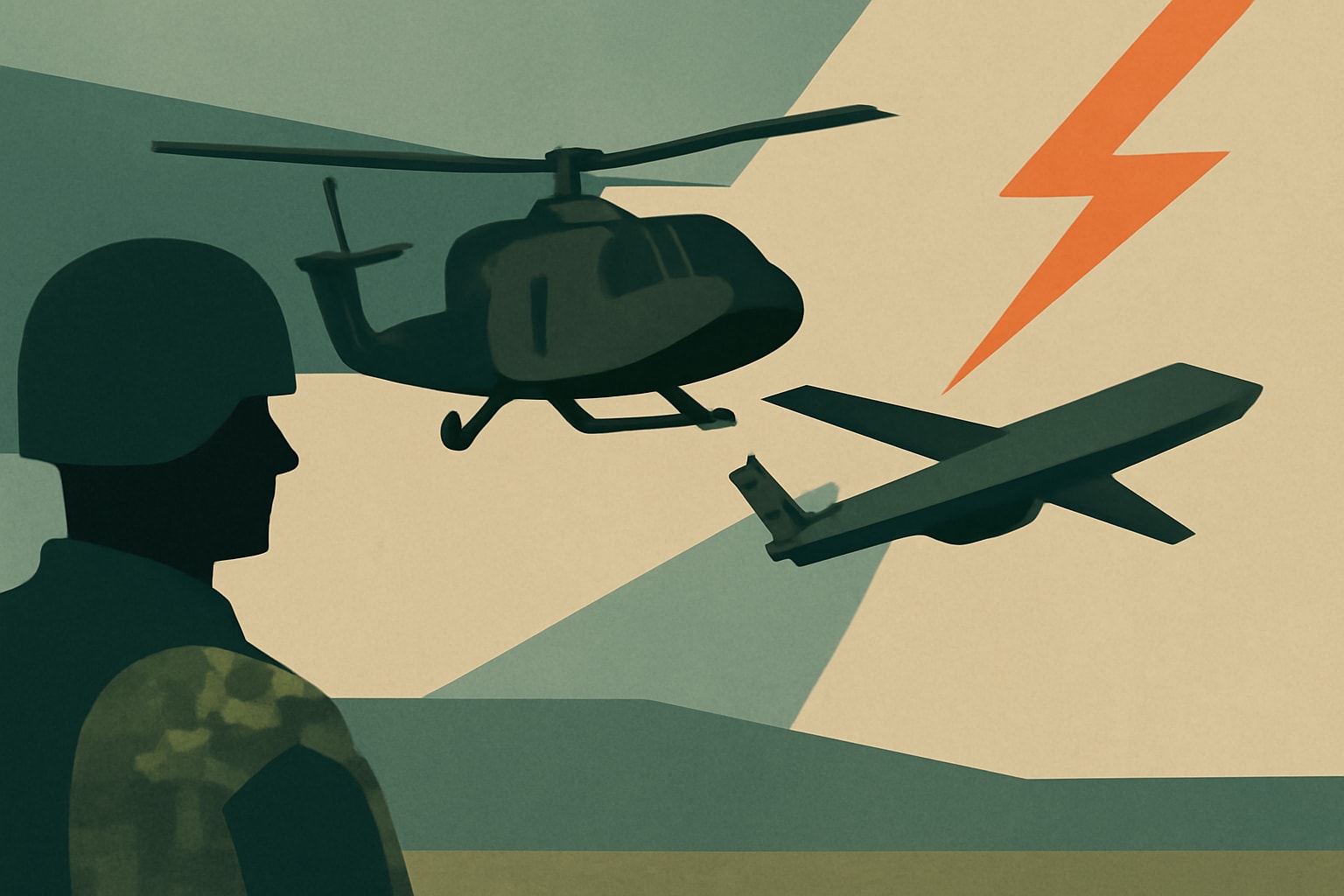
The Thunder drone aims to enhance the capabilities of the Army's helicopter fleet, including the AH-64 Apache.
What's Happening
- •Anduril has introduced the Thunder, a new drone designed as a loyal wingman for military helicopters.
- •The Thunder drone is compatible with the Army's AH-64 Apache and the upcoming MV-75 Cheyenne II.
- •This development is part of a broader trend towards integrating drones into military operations.
Why It Matters
The introduction of the Thunder drone signifies a shift in how the Army approaches aerial combat and support. By integrating drones into traditional helicopter operations, the military can enhance both effectiveness and safety for pilots, ultimately leading to improved mission outcomes.
What Changes Now
- •The Army will begin testing the Thunder drone alongside existing helicopter fleets. This testing phase will help determine the drone's operational effectiveness and integration timeline.
- •Pilots will need to undergo training to effectively utilize the Thunder drone in conjunction with manned aircraft. This training will ensure that crews are prepared for the new capabilities the drone offers.
- •Support personnel will need to familiarize themselves with the Thunder drone's maintenance and operational protocols. This knowledge is crucial for ensuring the drone's readiness for missions.
What to Watch
- •The upcoming testing phase for the Thunder drone will be critical for its future use. Army leadership will evaluate its performance in various combat scenarios over the next year.
- •Updates to training programs for pilots and support personnel will be necessary. These changes will reflect the integration of the Thunder drone into Army aviation operations.
- •The Army's decision on whether to fully adopt the Thunder drone will depend on the results of initial trials. Stakeholders will be looking for data on its effectiveness and impact on mission success.
Get the Daily Briefing
Military and veteran news that actually affects you, in your inbox each morning.
More Context
- •Overview of the Thunder Drone: The Thunder drone represents a significant advancement in military drone technology, specifically designed to function as a loyal wingman for the Army's existing helicopter fleet. By leveraging advanced artificial intelligence and autonomous capabilities, the Thunder can operate alongside manned aircraft, providing enhanced situational awareness and support during missions. This capability allows pilots to focus on primary objectives while the drone handles supplementary tasks such as reconnaissance and targeting.
- •Impact on Army Aviation: The introduction of the Thunder drone is expected to transform Army aviation operations, particularly for units operating the AH-64 Apache and the new MV-75 Cheyenne II. For example, Apache pilots may find their effectiveness increased as the Thunder can engage in electronic warfare and surveillance, reducing the risk to manned aircraft. This integration not only enhances mission success rates but also improves the safety of crew members by allowing them to delegate dangerous tasks to the drone.
- •Who Will Benefit?: Active duty Army pilots, particularly those flying the AH-64 Apache and MV-75 Cheyenne II, will directly benefit from the Thunder drone's capabilities. Additionally, support personnel involved in drone operations and maintenance will need to adapt to new technologies and procedures, ensuring they are prepared for the integration of this advanced system. As the Army continues to evolve its approach to warfare, training programs will likely be updated to include operational tactics involving the Thunder.
- •Next Steps for Implementation: As the Thunder drone undergoes testing and evaluation, Army leadership will be closely monitoring its performance and integration into existing operations. The timeline for full operational capability remains uncertain, but initial trials are expected to occur within the next year. Stakeholders will need to assess the drone's effectiveness in various combat scenarios to determine its future role within the Army's aviation strategy.
Frequently Asked Questions
How will the Thunder drone change Army aviation?
The Thunder drone will enhance Army aviation by providing additional support and capabilities to pilots, allowing them to focus on primary mission objectives.
What helicopters can use the Thunder drone?
The Thunder drone is designed to operate with the AH-64 Apache and the upcoming MV-75 Cheyenne II, enhancing their operational effectiveness.
Will pilots need special training for the Thunder drone?
Yes, pilots will need to undergo training to effectively integrate the Thunder drone into their operations, ensuring they can utilize its capabilities.
Veteran Take
For those who've served in aviation roles, the introduction of the Thunder drone represents a significant evolution in how we approach aerial combat. Integrating drones as loyal wingmen not only enhances mission effectiveness but also prioritizes the safety of our pilots, which is something we deeply value. This technology could change the dynamics of future operations, providing vital support and increasing our overall capabilities in the field.
The Daily Briefing
Military & veteran news that actually affects you — delivered every morning.
- Pay, benefits & policy changes
- Pentagon decisions that matter
- VA updates for veterans & families
- One email. No spam. Unsubscribe anytime.
Related Stories
- Air Force Identifies TACP Airman Killed in Alamodome Rappelling Accident— Air & Space Forces Magazine
- USAF Seeks More Processing Power for F-16 with Next-Gen Mission Computer— Air & Space Forces Magazine
- India Sells Air Defense Missiles to Tajikistan and Turkmenistan— Defense News
- Growing MQ-9 Drone Presence in Latin America: Implications for SOUTHCOM— Air & Space Forces Magazine