'American Solitaire' Film Highlights Veteran's Post-War Struggles
The film 'American Solitaire' offers a poignant look at the challenges faced by veterans returning home from combat.
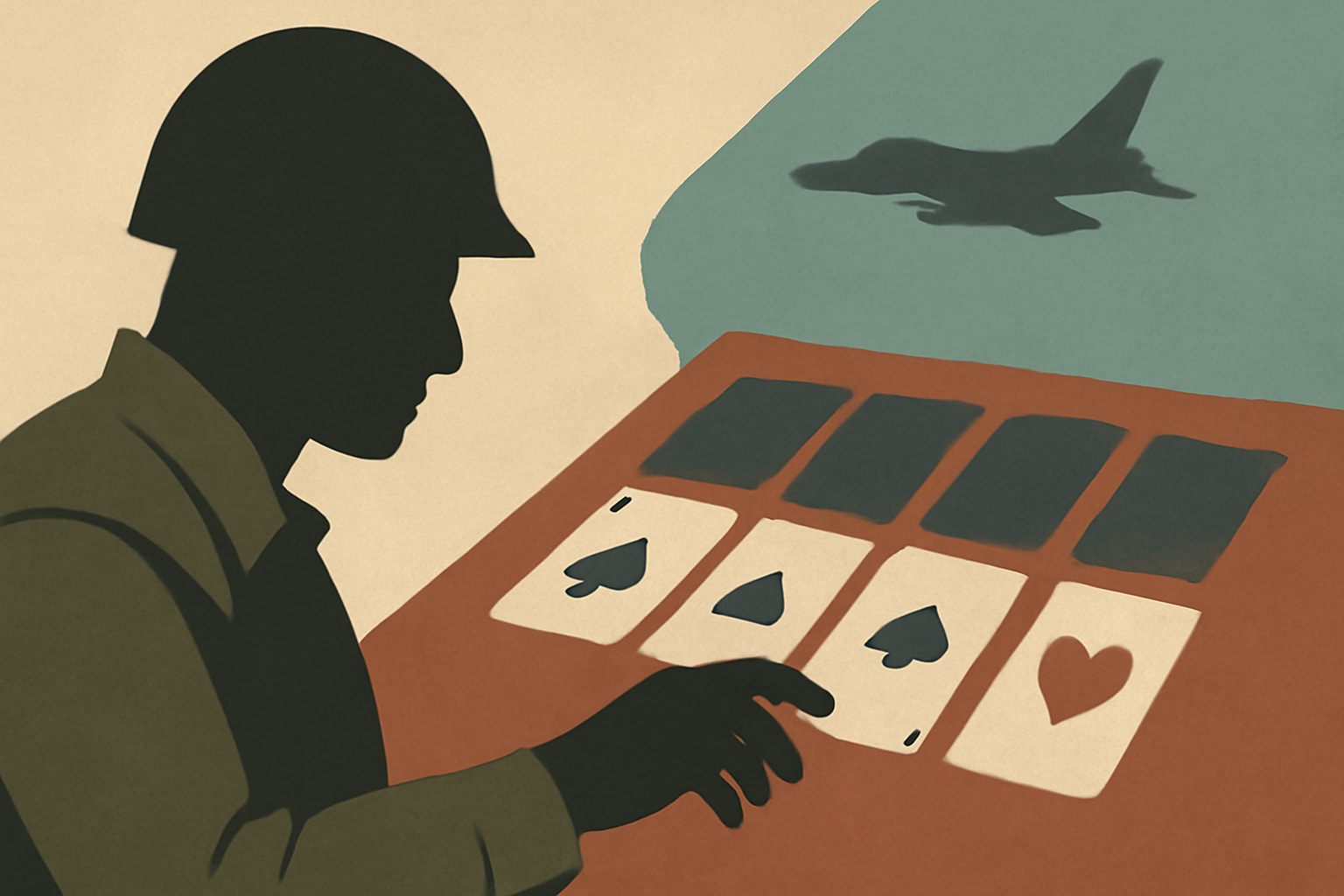
What's Happening
- •The film 'American Solitaire' portrays a combat veteran's return from Afghanistan.
- •It addresses the invisible wounds of war, including PTSD and anxiety.
- •The film aims to raise awareness about the challenges veterans face in civilian life.
Why It Matters
This film is significant as it sheds light on the invisible wounds of war and the challenges veterans face when transitioning back to civilian life. By raising awareness, it can help service members and veterans feel understood and encourage them to seek help for mental health issues.
What Changes Now
- •Increased awareness of veteran mental health challenges is expected. This can lead to more discussions about PTSD and anxiety among veterans and their families.
- •The film's release may foster greater empathy and support from the civilian population. As awareness grows, communities might become more engaged in supporting local veterans.
- •There may be a push for enhanced mental health resources for veterans. This could involve increased funding for programs that address the specific needs highlighted in the film.
What to Watch
- •The public and critical reception of the film will be closely monitored. Positive feedback could influence future projects focusing on veteran issues.
- •The impact on veteran support programs and policies may become evident in the coming months. Policymakers might respond to the film's themes by advocating for changes in veteran care.
- •Watch for discussions in community forums and veteran organizations regarding the film's messages. These conversations could lead to actionable initiatives aimed at improving veteran support.
Get the Daily Briefing
Military and veteran news that actually affects you, in your inbox each morning.
More Context
- •Exploring the Veteran Experience: In April 2026, Military Times featured Aaron Davidman's film, 'American Solitaire,' which provides an intimate portrayal of a combat veteran's difficult transition back to civilian life after serving in Afghanistan. The film aims to raise awareness about the invisible wounds of war, such as post-traumatic stress disorder (PTSD), and the struggles veterans face when reintegrating into society. It highlights the emotional and psychological toll that combat deployments can have on service members long after they leave the battlefield.
- •The Struggles of Reintegration: 'American Solitaire' delves into the personal battles faced by veterans, including PTSD, anxiety, and depression—conditions that are often unseen yet profoundly felt. The film illustrates the character's isolation and the challenges he encounters in forming meaningful connections with family and friends. It also addresses the difficulties veterans face in navigating the Department of Veterans Affairs (VA) system and accessing the mental health resources necessary for healing.
- •Fostering Understanding and Empathy: The film emphasizes the importance of understanding and empathy from the civilian population towards veterans. It highlights unique challenges veterans encounter, such as difficulty finding employment, housing instability, and substance abuse issues. By showcasing the veteran's internal struggles, 'American Solitaire' encourages open conversations about mental health and the importance of seeking help. Davidman's approach avoids sensationalizing war, instead focusing on the raw emotional aftermath, aiming to resonate with veterans and their families.
- •A Call to Action for Support Programs: 'American Solitaire' serves as a call to action for policymakers and community leaders to prioritize veteran support programs. This includes increasing funding for mental health services, expanding access to affordable housing, and creating job training opportunities tailored to veterans' skills and experiences. The film suggests a comprehensive approach is necessary to address the multifaceted challenges veterans face upon returning home, aiming to inspire greater compassion and action towards ensuring that all veterans receive the care and support they deserve.
Veteran Take
For those who've served, the journey back to civilian life can often feel like a battle in itself. Films like 'American Solitaire' remind us that the scars of war are not always visible, and by sharing these stories, we create a space for understanding and healing. It's crucial that veterans see their struggles reflected in media, as it can encourage them to reach out for the support they need.
The Daily Briefing
Military & veteran news that actually affects you — delivered every morning.
- Pay, benefits & policy changes
- Pentagon decisions that matter
- VA updates for veterans & families
- One email. No spam. Unsubscribe anytime.
Related Stories
- 2027 Sees Largest Cost-of-Living Increase for Veterans and Retirees— Military Times
- Army Veteran Turns Military Experience into Thriving Tire Business— Military.com
- Proposed VA Loan Fee Hike Could Make Refinancing More Expensive— Military Times
- Veterans Fight Against Arch That Would Obstruct View of Arlington Cemetery— Military Times