Air Force Unit Flies and Maintains Anduril Collaborative Combat Aircraft
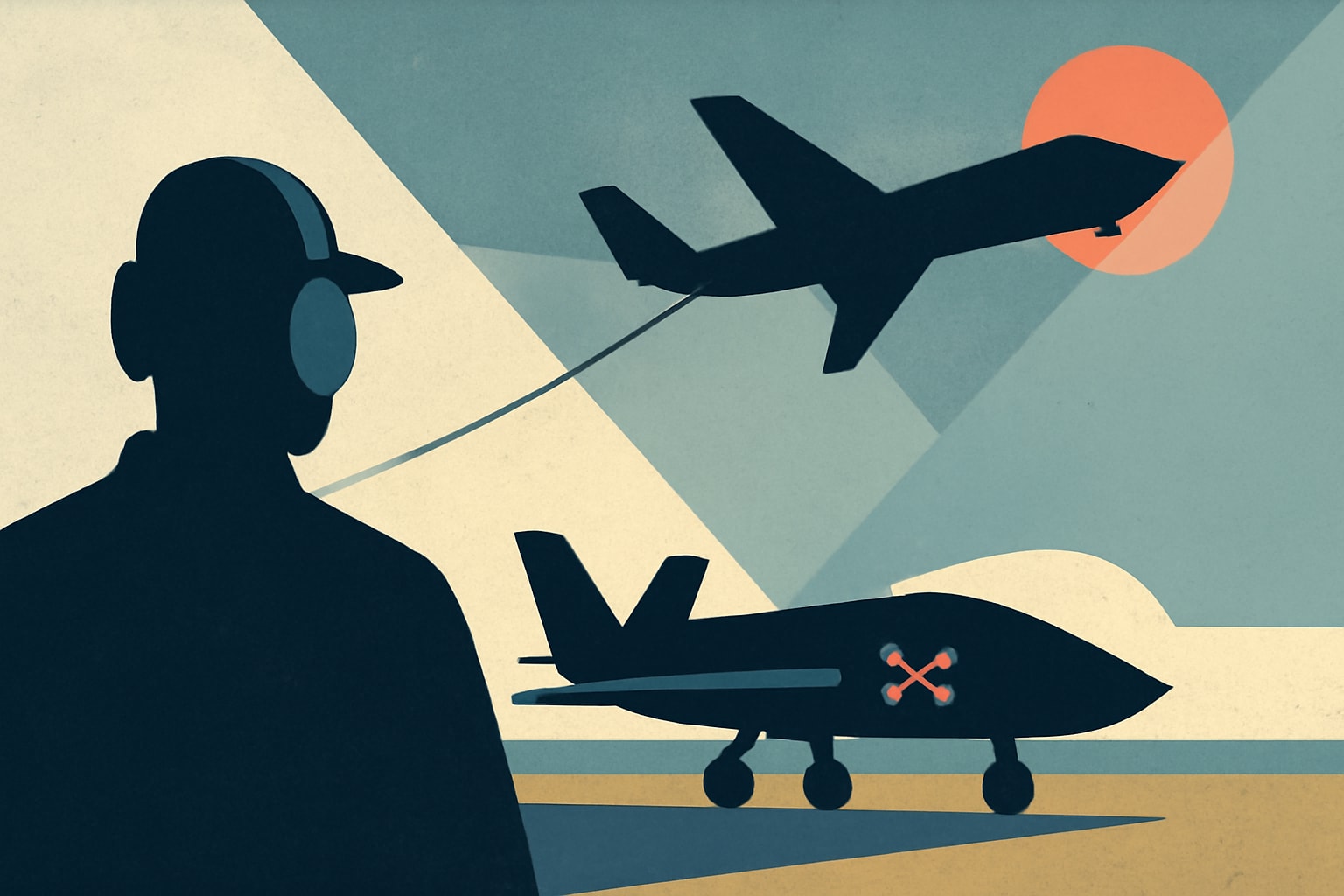
An experimental Air Force unit is now flying and maintaining Anduril's Collaborative Combat Aircraft, signaling a new phase in autonomous aviation.
What's Happening
- •The Air Force is testing its semi-autonomous Collaborative Combat Aircraft (CCA) with operational personnel.
- •Control of the CCA has been transferred from engineers and test pilots to an experimental operations unit.
- •This exercise aims to gather real-world data on the aircraft's performance and reliability.
Why It Matters
This exercise underscores the Air Force's commitment to integrating autonomous technology into its combat strategy, which could reshape the roles of airmen and lead to new career fields. The successful deployment of Collaborative Combat Aircraft (CCAs) may significantly enhance mission effectiveness and air superiority against advanced adversaries.
What Changes Now
- •The Air Force will increase its focus on training personnel to operate and maintain autonomous aircraft. This shift will require new training programs and resources to prepare airmen for the evolving landscape of air combat.
- •There will be a potential shift in air combat tactics and strategies as CCAs are integrated into operations. This change necessitates a reevaluation of existing combat protocols to fully leverage the capabilities of unmanned systems.
- •Operational assessments of the CCA will inform future procurement and development decisions. The data collected will help determine the optimal mix of manned and unmanned assets in future air force operations.
What to Watch
- •The results of the Air Force's operational assessment of the Anduril CCA will be closely monitored. This assessment will provide critical insights into the aircraft's performance and its potential role in future missions.
- •Future developments in collaborative combat aircraft technology are expected to emerge as the Air Force refines its approach. Stakeholders will be watching for announcements related to upgrades and new capabilities.
- •The ongoing collaboration between the Air Force and Anduril Industries will be pivotal. This partnership aims to ensure that the CCA meets the evolving needs of the military and stays ahead of technological advancements.
Get the Daily Briefing
Military and veteran news that actually affects you, in your inbox each morning.
More Context
- •A Shift in Operational Control: In a significant development, the U.S. Air Force recently transitioned control of its semi-autonomous Collaborative Combat Aircraft (CCA) to operational personnel. This move, which took place during a groundbreaking exercise, marks a departure from previous practices where only engineers and test pilots were involved in flying and maintaining such advanced systems. By allowing operational airmen to take charge, the Air Force aims to integrate autonomous technology into its standard operations more effectively, focusing on practical application rather than theoretical testing.
- •Enhancing Air Combat Strategy: The integration of the Anduril CCA is expected to transform the Air Force's combat strategy. Designed to operate alongside manned fighter jets, the CCA enhances situational awareness and provides additional offensive capabilities. This collaborative approach allows pilots to leverage the strengths of unmanned systems, thereby improving their effectiveness and survivability in contested airspace. As the Air Force continues to evolve its tactics, the CCA is envisioned as a vital component of future air combat operations.
- •Real-World Testing and Feedback: The experimental operations unit's role is crucial in assessing the CCA's performance across various mission scenarios. This unit will conduct a wide range of tests to evaluate the aircraft's reliability, operational procedures, and integration with existing manned platforms. The insights gained from these operational personnel will be essential in refining the CCA's design and ensuring it meets the demands of modern warfare. Such feedback loops are vital for the continuous improvement of military technology.
- •The Future of Autonomous Systems: Anduril Industries, the manufacturer of the CCA, is recognized for its innovative approach to defense technology, particularly in autonomous systems and artificial intelligence. The CCA's modular design allows for quick adaptations and upgrades, ensuring that it remains relevant as new technologies emerge. The successful integration of the CCA into Air Force operations could set the stage for broader adoption of autonomous systems across military branches, enhancing the U.S. military's technological edge in the 21st century.
Veteran Take
For those who've served, the introduction of autonomous technology like the Collaborative Combat Aircraft represents a significant shift in how we think about air power and our roles within it. Veterans navigating this landscape may feel a mix of excitement and concern, as these advancements could create new opportunities but also challenge traditional career paths we once relied on. It's crucial for the military community to adapt and ensure that our skills remain relevant in an ever-evolving battlefield.
The Daily Briefing
Military & veteran news that actually affects you — delivered every morning.
- Pay, benefits & policy changes
- Pentagon decisions that matter
- VA updates for veterans & families
- One email. No spam. Unsubscribe anytime.
Related Stories
- U.S. Shifts Reaper Drones from Africa to Latin America— Task & Purpose
- Space Force Seeks Service Members to Expand Its Ranks— Federal News Network
- Lockheed Martin's Vectis Drone Prototype Scheduled for 2027 Flight— Air & Space Forces Magazine
- Iran Likely to Reverse-Engineer Captured US Underwater Drone— Navy Times