Air Force Veteran's Clemency Denied; Execution Set for November 12
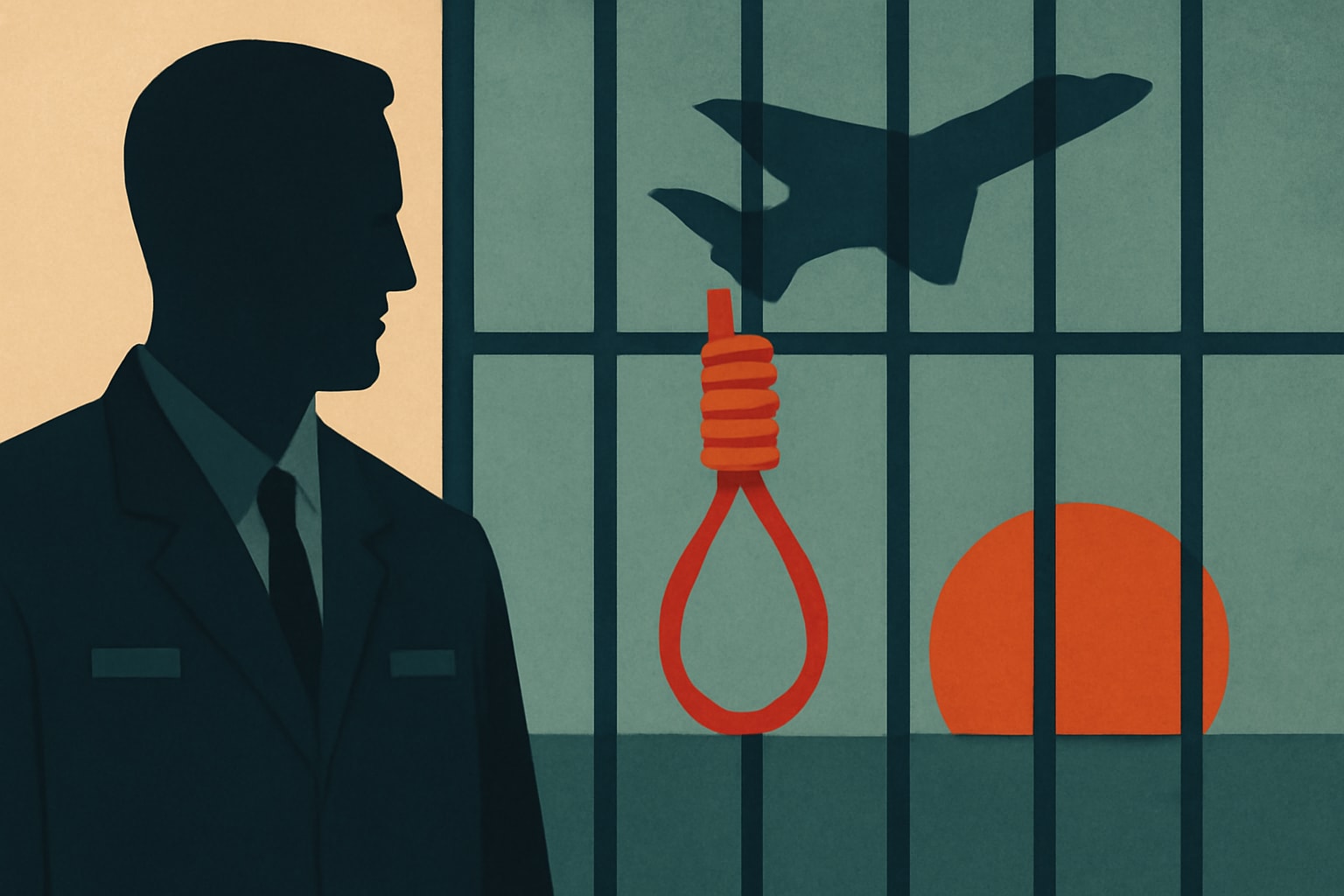
James Pavatt, convicted of murder in 2001, will be executed next month after a clemency hearing was denied.
What's Happening
- •James Pavatt, a 73-year-old Air Force veteran, has been denied clemency.
- •He is scheduled for execution on November 12, 2026, for the murder of Rob Andrew.
- •The clemency hearing took place on October 12, 2026, but did not result in a favorable outcome.
Why It Matters
This case underscores the complexities surrounding veterans in the criminal justice system, particularly concerning mental health and support. It raises awareness of the need for better resources for veterans facing legal challenges, which can impact their families and communities.
What Changes Now
- •The clemency denial means that James Pavatt's execution is now imminent. This decision may influence how other veterans perceive their legal options and the support available to them.
- •Veterans and their families may feel increased anxiety regarding the treatment of veterans in the legal system. This could lead to a push for more advocacy and resources aimed at supporting veterans in similar situations.
- •The outcome of this case may prompt discussions about the adequacy of mental health services for veterans. Stakeholders may seek to address gaps in support that could prevent similar situations in the future.
What to Watch
- •Monitor advocacy group responses following the clemency denial. These organizations may push for systemic changes in how veterans are treated in the justice system.
- •Watch for any last-minute legal appeals that may arise before the execution date. Legal teams often explore all avenues for their clients, which could delay proceedings.
- •Keep an eye on public discourse surrounding veteran treatment and criminal justice reform. This case could catalyze broader discussions on policy changes affecting veterans.
Get the Daily Briefing
Military and veteran news that actually affects you, in your inbox each morning.
More Context
- •Background on the Case: James Pavatt was convicted in 2001 for the murder of Rob Andrew, a crime that has drawn significant media attention over the years. As an Air Force veteran, Pavatt’s case raises questions about the intersection of military service and criminal justice, particularly regarding the treatment of veterans in the legal system.
- •Clemency Hearing Details: The clemency hearing held on October 12, 2026, was pivotal in determining Pavatt's fate. During the hearing, arguments were presented regarding his military service and the circumstances surrounding his conviction, but ultimately, the board denied his request for clemency, leading to the scheduled execution.
- •Implications for Veterans: Pavatt's case highlights the challenges faced by veterans who become involved in the criminal justice system. The denial of clemency may resonate with other veterans who have faced legal issues, emphasizing the need for comprehensive support systems to address the unique circumstances that veterans encounter.
- •Next Steps and Future Considerations: As the execution date approaches, there will be ongoing discussions regarding the implications of Pavatt's case for other veterans. Advocacy groups may mobilize to address the broader issues of mental health and legal support for veterans, potentially influencing future policies and practices.
Frequently Asked Questions
What happens next for James Pavatt?
James Pavatt is scheduled for execution on November 12, 2026, unless further legal actions are taken.
How does this case affect other veterans?
This case may highlight the need for better legal and mental health support for veterans facing criminal charges.
Can veterans seek clemency after a conviction?
Yes, veterans can apply for clemency, but approval is not guaranteed and depends on various factors, including the nature of the crime.
The Daily Briefing
Military & veteran news that actually affects you — delivered every morning.
- Pay, benefits & policy changes
- Pentagon decisions that matter
- VA updates for veterans & families
- One email. No spam. Unsubscribe anytime.
Related Stories
- 2027 Sees Largest Cost-of-Living Increase for Veterans and Retirees— Military Times
- Army Veteran Turns Military Experience into Thriving Tire Business— Military.com
- Proposed VA Loan Fee Increase Could Raise Refinancing Costs for Veterans— Marine Corps Times
- Colorado Community Rallies to Support 101-Year-Old WWII Veteran Ed Beck— Military.com