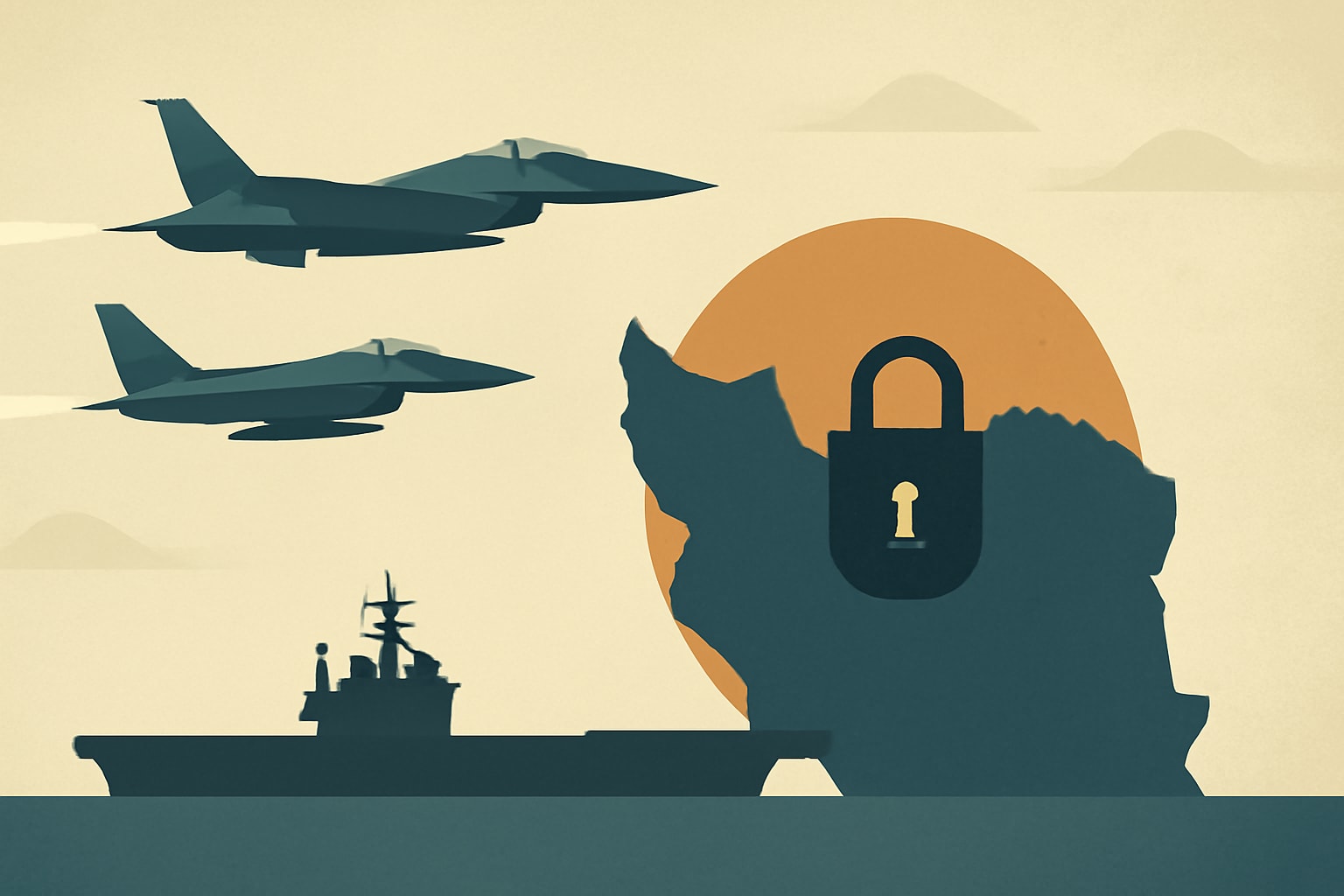
USAF and USN Fighters Patrol During US Naval Blockade of Iran
American fighter aircraft are providing critical overwatch and threat detection during the ongoing naval blockade.
What's Happening
- •U.S. Air Force and Navy fighter jets are patrolling as part of the U.S. naval blockade of Iran.
- •The patrols aim to identify and neutralize threats to U.S. naval assets.
- •These operations are part of heightened military activity in the Middle East.
Why It Matters
The increased military activity in the Middle East directly impacts service members and their families. Deployments to the region could be extended, and the risk of conflict remains a constant concern, affecting readiness and morale.
What Changes Now
- •There is an increased operational tempo for U.S. Air Force and Navy pilots. This means pilots may face more frequent missions and extended hours in the air as they monitor the situation.
- •Heightened security measures are being implemented for U.S. naval vessels in the Persian Gulf. These measures are designed to ensure the safety of personnel and assets in a volatile environment.
- •The coordination between the Air Force and Navy has intensified. This collaboration is critical for effective threat detection and response.
What to Watch
- •Monitor the Iranian response to the U.S. naval blockade and air patrols. Iran's actions could escalate tensions and impact U.S. military strategy in the region.
- •Watch for potential escalation between U.S. and Iranian forces. Any engagement could lead to significant consequences for military operations and regional stability.
- •Keep an eye on international reactions to the blockade's legality. Ongoing discussions may influence U.S. policy and military engagement.
Get the Daily Briefing
Military and veteran news that actually affects you, in your inbox each morning.
More Context
- •U.S. Military Operations in the Region: U.S. Air Force and Navy fighter jets are actively engaged in patrol missions as part of the U.S. naval blockade of Iran, according to sources familiar with the operations, as reported by Air & Space Forces Magazine on April 15, 2026. These patrols aim to identify and neutralize potential threats to U.S. naval assets and maintain the integrity of the blockade. The specific types of aircraft and operational tempo remain classified, but the deployment underscores the U.S. military's commitment to enforcing the blockade. This increased military presence is a response to ongoing tensions in the region, particularly concerning Iran's nuclear ambitions and its influence over regional conflicts.
- •Objectives of the Naval Blockade: The naval blockade is designed to prevent Iran from exporting oil and importing weapons, crucial steps in curbing its nuclear program. The presence of fighter jets enhances security against asymmetric threats such as fast attack craft and anti-ship missiles. The Air Force and Navy are coordinating closely to ensure comprehensive coverage and rapid response capabilities. This joint effort reflects a strategic approach to deterrence, emphasizing the importance of air superiority in maritime operations.
- •Escalating Tensions and Legal Implications: The U.S. naval blockade and associated air patrols are occurring against a backdrop of heightened tensions between the U.S. and Iran. Iran has vowed to break the blockade and has conducted military exercises simulating attacks on U.S. naval vessels. The U.S. maintains that the blockade is a legitimate measure of self-defense, although its legality is contested by Iran and some international observers. Any engagement between U.S. and Iranian forces could escalate into a broader conflict, making the situation particularly precarious for service members and their families.
- •Future Developments to Monitor: The ongoing patrols by U.S. Air Force and Navy fighter jets during the blockade of Iran highlight the precarious security environment in the Middle East. These operations are likely to continue as long as the blockade remains in effect, with the potential for escalation always present. Monitoring these developments is crucial for understanding the evolving dynamics of U.S.-Iran relations and the broader implications for regional stability. The situation remains fluid, and service members should stay informed about the implications of these military operations.
Veteran Take
For those who've served, the heightened military presence in the Middle East is a reminder of the sacrifices we made and the uncertainty that comes with deployments. Veterans navigating this situation understand the toll it takes on service members and their families, especially when extended deployments become a reality. The constant threat of conflict weighs heavily on morale, and we know all too well how it can impact readiness and the mental health of those still in uniform.
The Daily Briefing
Military & veteran news that actually affects you — delivered every morning.
- Pay, benefits & policy changes
- Pentagon decisions that matter
- VA updates for veterans & families
- One email. No spam. Unsubscribe anytime.
Related Stories
- 8th Army Adapts to Evolving Drone Threats in South Korea— DefenseScoop
- ARCYBER Expands Use of AI Agents for Network Operations— DefenseScoop
- Space Force Advances New GPS Ground Architecture After OCX Cancellation— Air & Space Forces Magazine
- Embedded AI Agents Accelerate Defense Technology Adoption— DefenseScoop