SOCOM Researching Advanced Attack Drones with Target Recognition Features
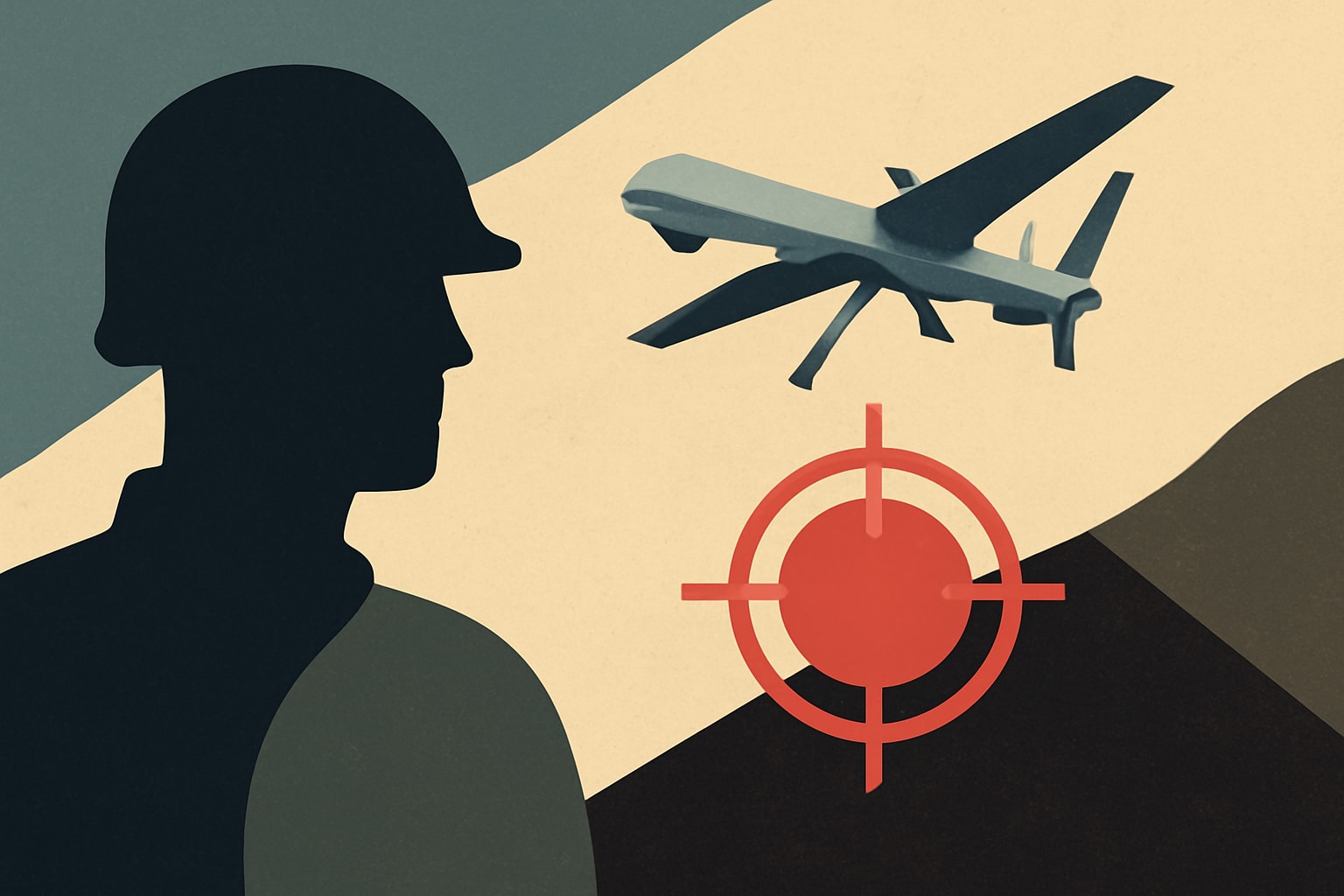
The U.S. Special Operations Command is seeking advanced loitering munitions with automatic target recognition for enhanced operational effectiveness.
What's Happening
- •SOCOM's Program Executive Office-Fixed Wing is conducting market research for loitering munition technology.
- •The focus is on developing attack drones with automatic target recognition capabilities.
- •This initiative aims to enhance operational effectiveness for special operations forces.
Why It Matters
The development of attack drones with automatic target recognition is crucial for enhancing the effectiveness of special operations forces. As these technologies become available, they will provide military personnel with the tools needed to conduct missions with greater precision and safety, ultimately leading to better outcomes on the battlefield.
What Changes Now
- •SOCOM is initiating market research for loitering munition technologies. This research will help identify potential solutions for future drone capabilities.
- •The focus on automatic target recognition indicates a shift towards more advanced targeting methods. This change will require adjustments in training and operational planning for special operations forces.
- •The push for advanced drone capabilities may lead to increased funding and resources allocated to SOCOM. This could enhance overall military readiness and technological advancement.
What to Watch
- •Upcoming requests for proposals (RFPs) from SOCOM. These RFPs will outline specific requirements for the development of new drone technologies.
- •The timeline for the integration of automatic target recognition into SOCOM operations. This will determine how quickly these capabilities can be utilized in the field.
- •Potential partnerships with defense contractors specializing in drone technology. These collaborations will shape the future of SOCOM's drone capabilities.
Get the Daily Briefing
Military and veteran news that actually affects you, in your inbox each morning.
More Context
- •Overview of SOCOM's Initiative: The U.S. Special Operations Command (SOCOM) is actively seeking to enhance its capabilities through the development of advanced attack drones. The Program Executive Office-Fixed Wing is leading market research to identify loitering munition technologies that can integrate automatic target recognition features. This initiative reflects SOCOM's commitment to leveraging cutting-edge technology to improve mission outcomes and operational efficiency in complex environments.
- •Importance of Automatic Target Recognition: Automatic target recognition (ATR) is a critical advancement in drone technology that allows for more precise targeting and reduced collateral damage. By incorporating ATR capabilities, SOCOM aims to improve the accuracy of strikes against enemy targets while minimizing risks to civilians and friendly forces. This technology is particularly relevant for special operations forces, who often operate in densely populated or sensitive areas where traditional targeting methods may be less effective.
- •Impact on Special Operations Forces: The introduction of drones with automatic target recognition capabilities will significantly impact the operational landscape for special operations forces, including units such as Navy SEALs and Army Special Forces. These units will benefit from enhanced situational awareness and improved strike capabilities, allowing them to execute missions with greater precision. As SOCOM continues to explore these technologies, the integration of ATR in operational planning will likely become a standard practice, necessitating training and adaptation for personnel.
- •Next Steps in Development: SOCOM's market research is the first step in determining the feasibility and potential partnerships for developing these advanced drones. Following this research phase, SOCOM will likely issue requests for proposals (RFPs) to industry partners capable of delivering the required technologies. The timeline for these developments remains uncertain, but the emphasis on rapid acquisition processes indicates that SOCOM is eager to integrate these capabilities into its operations as soon as possible.
Frequently Asked Questions
Does this affect Guard members on Title 10 orders?
Yes, advancements in drone technology will likely impact all branches of the military, including Guard members on Title 10 orders, as they may be involved in operations utilizing these new capabilities.
Will my unit receive training on these new drones?
Units within SOCOM will likely receive training on new drone systems as they are integrated into operations, ensuring personnel are prepared to utilize the advanced technologies.
What are the implications for future missions?
The integration of drones with automatic target recognition could enhance mission success rates and reduce risks, fundamentally changing how special operations are conducted.
Veteran Take
For those who've served, the integration of advanced attack drones with automatic target recognition represents a significant leap forward in operational capability. This technology not only enhances mission effectiveness but also prioritizes the safety of our service members, which is something we all can appreciate. As veterans, we understand the complexities of combat and the importance of precision in protecting both our troops and innocent lives.
The Daily Briefing
Military & veteran news that actually affects you — delivered every morning.
- Pay, benefits & policy changes
- Pentagon decisions that matter
- VA updates for veterans & families
- One email. No spam. Unsubscribe anytime.
Related Stories
- Army Expands Space Operations Branch to Enhance Military Capabilities— Air & Space Forces Magazine
- USAFA Board Calls for Early Reopening of Iconic Chapel— Air & Space Forces Magazine
- Space Force Completes Transfers of Air Force Reserve and National Guard Members— Air & Space Forces Magazine
- Pentagon Names Four Directed-Energy Weapons for Counter-Drone Program at U.S. Bases— Military Times