Concerns Rise Over AI Military Targeting Speed Outpacing Human Oversight
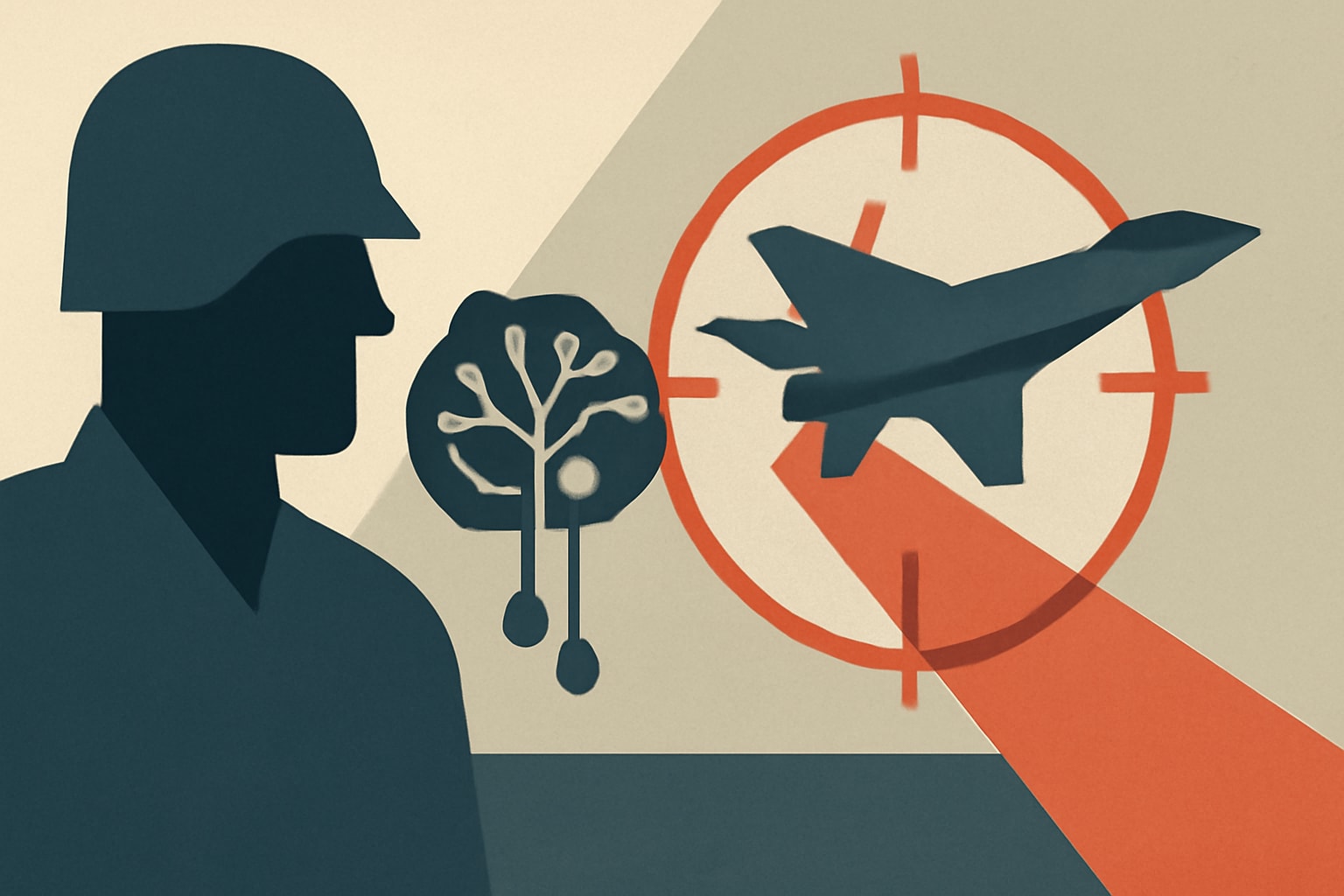
Critics caution that AI-driven military targeting may advance faster than humans can authenticate, posing risks to military operations.
What's Happening
- •Critics raised concerns during a hearing that AI military targeting could exceed human authentication capabilities.
- •The discussion highlighted potential risks in decision-making processes during military operations.
- •Experts emphasized the need for robust oversight mechanisms to ensure safe deployment of AI technologies.
Why It Matters
The integration of AI into military targeting systems represents a significant shift in how operations are conducted. For service members, understanding the implications of this technology is crucial for ensuring operational safety and effectiveness in the field.
What Changes Now
- •Military operations may begin to incorporate AI targeting systems more widely. This change will require service members to adapt to new technologies and protocols during training and operations.
- •Increased emphasis on training regarding AI systems is expected. This will involve both classroom instruction and practical exercises to ensure personnel can effectively engage with AI technologies.
- •Policy discussions surrounding AI oversight will likely intensify. Service members should be prepared for updates that could affect how AI is utilized in combat and decision-making.
What to Watch
- •Watch for updates on military training exercises incorporating AI technologies. These exercises will provide insights into how AI is being integrated into operational scenarios.
- •Monitor upcoming policy changes regarding AI use in military operations. Decisions made by senior military leaders will have direct implications for service members' roles and responsibilities.
- •Stay informed about advancements in AI technology within the military. As new capabilities are developed, they could significantly alter operational dynamics on the battlefield.
Get the Daily Briefing
Military and veteran news that actually affects you, in your inbox each morning.
More Context
- •The Rapid Evolution of AI in Military Targeting: Artificial Intelligence (AI) is becoming increasingly integral to military operations, particularly in targeting. As AI systems are designed to process vast amounts of data and make decisions faster than humans, there is a growing concern that these systems may operate without adequate human oversight. This rapid evolution could lead to scenarios where decisions are made based on AI analysis without necessary verification, raising ethical and operational questions.
- •Potential Risks for Service Members: The implications of AI military targeting extend beyond technology; they directly affect the safety and effectiveness of service members. For instance, combat arms units, including infantry and armor personnel, may face increased risks if AI systems misidentify targets or fail to account for human factors in combat scenarios. Furthermore, the reliance on AI could lead to a devaluation of human judgment, which has been a cornerstone of military decision-making.
- •Calls for Enhanced Oversight and Training: In light of these concerns, military leaders and policymakers are advocating for enhanced oversight of AI systems. This includes developing training programs for service members to understand AI capabilities and limitations. By ensuring that personnel are equipped with the knowledge to critically assess AI outputs, the military can mitigate risks associated with over-reliance on technology in high-stakes environments.
- •What Service Members Should Monitor: Service members should stay informed about the ongoing discussions surrounding AI in military operations. Upcoming military training exercises will likely incorporate AI technologies, providing opportunities to see these systems in action. Additionally, service members should watch for policy changes regarding the use of AI in combat scenarios, as these will directly impact operational protocols and safety measures.
Frequently Asked Questions
Does this affect Guard members on Title 10 orders?
Yes, Guard members on Title 10 orders may be involved in operations utilizing AI targeting systems, impacting their training and operational protocols.
Will my role change with the introduction of AI in targeting?
Your role may evolve as AI becomes more integrated into military operations, necessitating additional training and adaptation to new technologies.
The Daily Briefing
Military & veteran news that actually affects you — delivered every morning.
- Pay, benefits & policy changes
- Pentagon decisions that matter
- VA updates for veterans & families
- One email. No spam. Unsubscribe anytime.
Related Stories
- Space Force Leaders Outline Plans to More Than Double the Force— Air & Space Forces Magazine
- Air Force's Collaborative Combat Aircraft to Debut in December Exercise— Air & Space Forces Magazine
- Houthi Forces in Yemen Attempt AI-Driven Weapon Development— Military.com
- U.S. Space Command Conducts Satellite Maneuvers in New Exercise— Air & Space Forces Magazine