Critics Warn AI Military Targeting Could Outpace Human Oversight
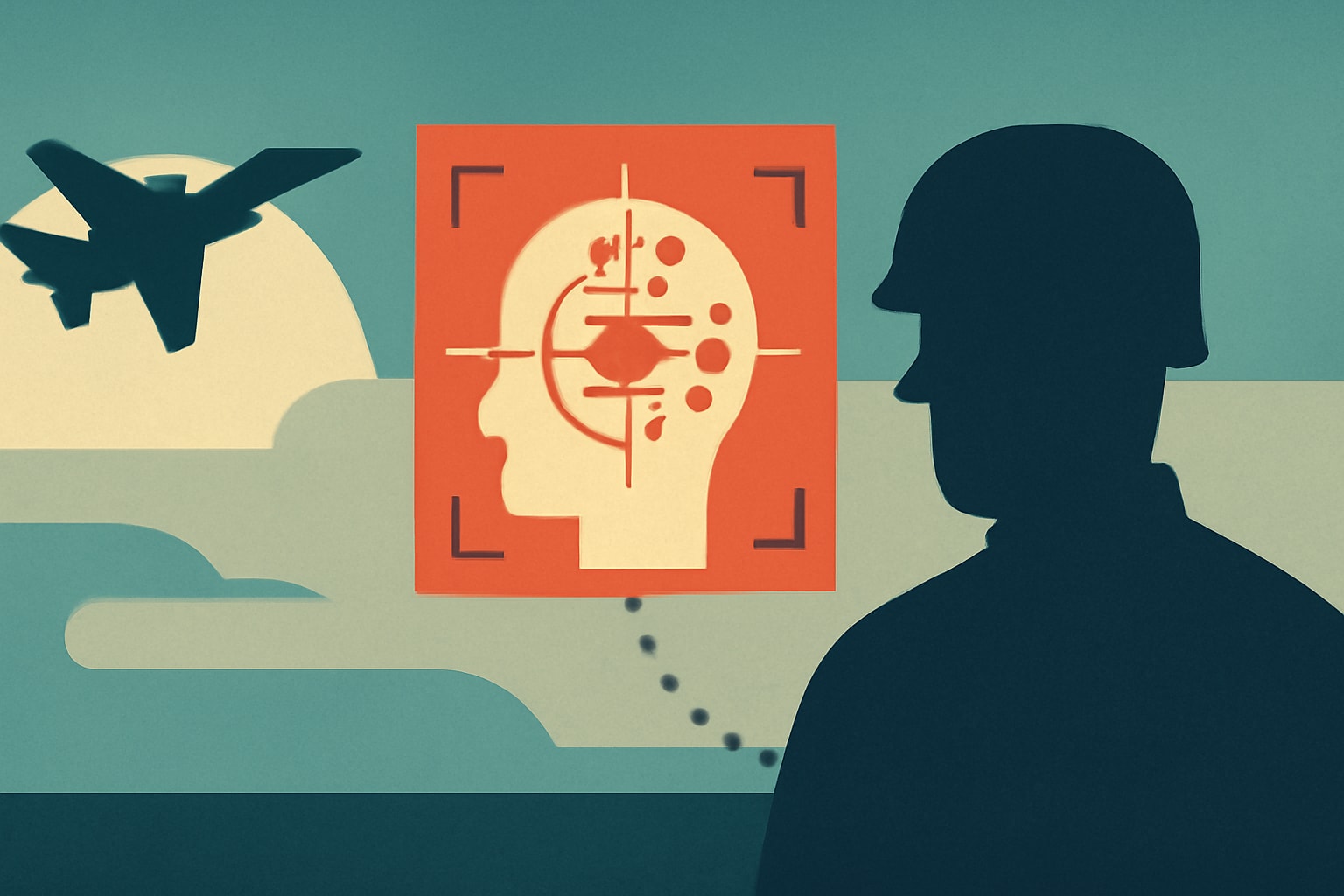
During a recent hearing, experts expressed concerns that AI military targeting systems may operate faster than humans can validate.
What's Happening
- •Experts raised concerns during a hearing that AI military targeting systems may act faster than human operators can authenticate.
- •The discussion highlights the potential risks of relying on AI in critical military operations.
- •Critics argue that this speed could lead to unintended consequences in combat situations.
Why It Matters
The integration of AI into military operations is transforming how conflicts are managed, but it also introduces complex challenges. For service members, understanding these dynamics is critical, as they may directly impact their safety and operational effectiveness in the field.
What Changes Now
- •The military may implement stricter protocols for AI use in targeting decisions. This is crucial to ensure that human oversight is maintained, reducing the risk of unintended consequences.
- •Service members will likely undergo additional training on AI systems. This training will prepare them to work effectively alongside these technologies in future operations.
- •Policy discussions regarding AI in military applications are expected to intensify. This could lead to new regulations that directly affect how service members engage in combat scenarios.
What to Watch
- •The upcoming release of Department of Defense guidelines on AI targeting. This will clarify the extent of human oversight required in AI operations.
- •Future congressional hearings on military AI ethics. These discussions may shape the legal framework governing AI use in combat, impacting service members' roles.
- •The development of training programs for personnel on AI systems. This will be essential for ensuring that troops are equipped to handle the complexities of AI in the field.
Get the Daily Briefing
Military and veteran news that actually affects you, in your inbox each morning.
More Context
- •The Risks of Rapid AI Targeting: As military technology evolves, the integration of artificial intelligence (AI) into targeting systems has become a focal point of debate. Critics argue that the speed at which these systems can operate may outstrip human capacity for oversight and decision-making. This raises significant concerns about the potential for errors in targeting, which could lead to civilian casualties or misdirected strikes. The implications for service members on the ground are profound, as they may be placed in harm's way due to decisions made by AI without sufficient human verification.
- •Implications for Service Members: Active duty personnel, particularly those in combat roles such as infantry and special operations, could face increased risks if AI systems are allowed to operate without stringent checks. The reliance on AI for targeting decisions may lead to scenarios where human judgment is sidelined, potentially compromising mission success and the safety of troops. Additionally, as these technologies advance, service members will need to adapt to new operational protocols that incorporate AI, which may require additional training and adjustments in tactics.
- •Future Developments to Monitor: As discussions around AI targeting continue, several key developments are on the horizon that service members and military families should watch closely. The Department of Defense is expected to release new guidelines regarding the use of AI in military operations within the next year. Furthermore, congressional hearings will likely continue to address the ethical implications of AI in warfare, which could influence policy changes affecting how AI is integrated into military strategies.
Frequently Asked Questions
How will AI targeting affect my role as a combat arms soldier?
AI targeting may change operational protocols, requiring you to adapt to new technologies and procedures to ensure mission success and safety.
What training will be provided for new AI systems?
The military is expected to implement training programs focused on AI technologies, ensuring that service members are prepared to work alongside these systems.
Will there be new policies regarding AI in military operations?
Yes, upcoming guidelines from the Department of Defense will outline how AI can be utilized in targeting, emphasizing the need for human oversight.
The Daily Briefing
Military & veteran news that actually affects you — delivered every morning.
- Pay, benefits & policy changes
- Pentagon decisions that matter
- VA updates for veterans & families
- One email. No spam. Unsubscribe anytime.
Related Stories
- Space Force Enhances Capabilities for Tracking Moving Targets— Air & Space Forces Magazine
- Lockheed Martin Introduces Modular JASSM with Enhanced Flexibility— Air & Space Forces Magazine
- Air Force on Track to Graduate 1,500 New Pilots by 2026— Air & Space Forces Magazine
- Iranian Actors Use AI to Target U.S. Navy Personnel— Military Times