AI Technology Increasing Autonomy of Military Drones
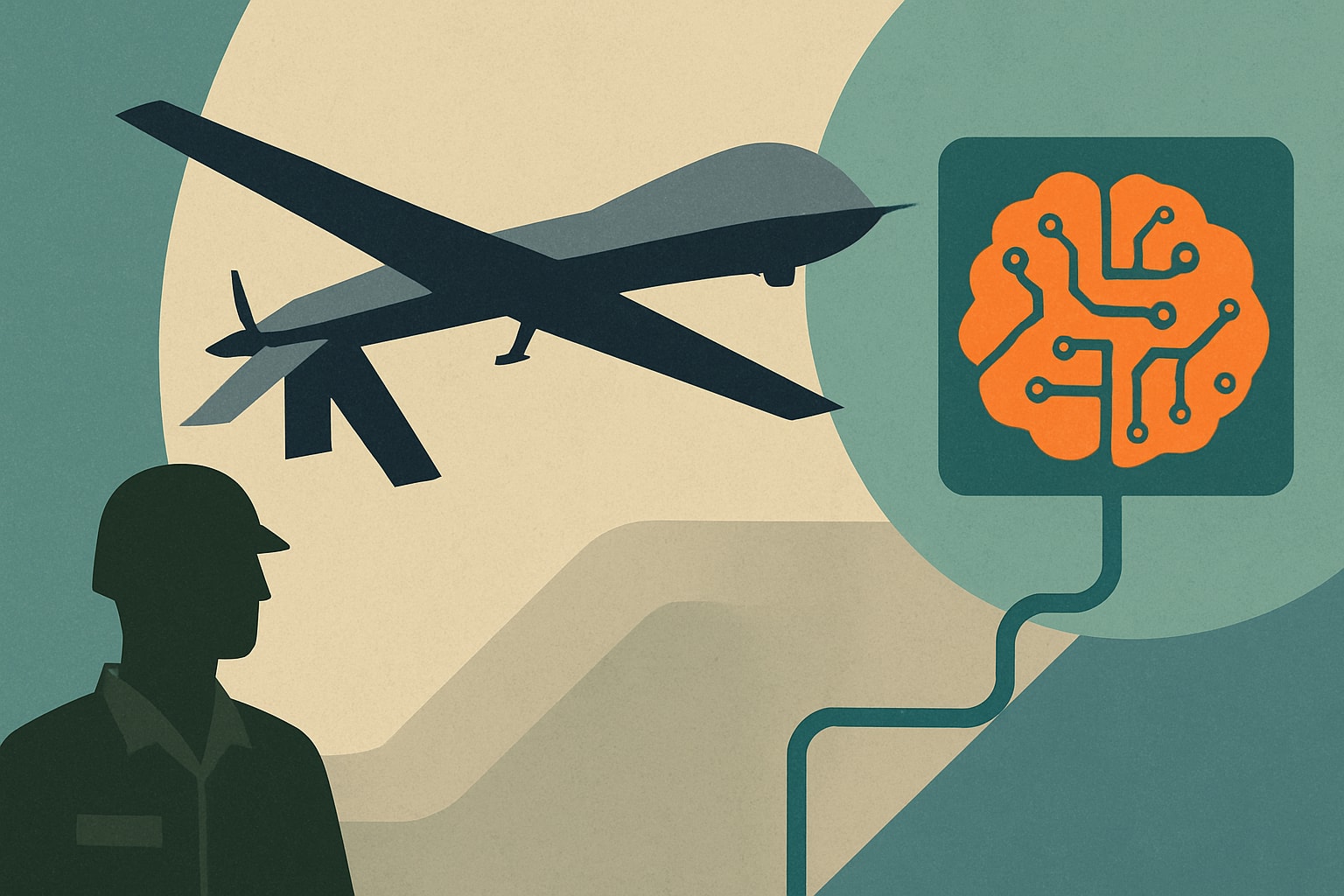
Advancements in AI are allowing military drones to operate with greater autonomy, shifting battlefield dynamics.
What's Happening
- •AI software is enabling drones to be commanded rather than piloted.
- •This shift is expected to enhance operational efficiency on the battlefield.
- •Military leaders are exploring the implications of increased drone autonomy.
Why It Matters
The integration of AI into military drone operations represents a significant shift in how aerial warfare is conducted. For active-duty personnel and veterans involved in drone operations, understanding these changes is crucial for adapting to new roles and responsibilities in a rapidly evolving battlefield environment.
What Changes Now
- •Military personnel will see a shift in training focus towards AI command and control. This means that operators will need to learn how to effectively manage autonomous systems rather than just piloting drones.
- •Operational protocols related to drone usage will evolve to incorporate AI capabilities. Service members should stay informed about these changes to remain effective in their roles.
- •New guidelines from the Department of Defense on autonomous drone usage are anticipated. These guidelines will outline ethical considerations and operational parameters for drone missions.
What to Watch
- •The Department of Defense is set to release new guidelines on AI-driven drones within the next year. These guidelines will significantly impact how military personnel operate and engage with these technologies.
- •Increased military exercises involving AI-driven drones are expected to take place. These exercises will provide insights into the effectiveness and reliability of autonomous systems in combat scenarios.
- •Advancements in AI technology will continue to emerge, potentially enhancing drone capabilities further. Service members should monitor these developments to understand their implications for future operations.
Get the Daily Briefing
Military and veteran news that actually affects you, in your inbox each morning.
More Context
- •The Role of AI in Military Drones: Artificial Intelligence (AI) is revolutionizing the way military drones are utilized in combat. Traditionally, drones required direct human control for operation, but advancements in AI are allowing these machines to function autonomously under human command. This means that operators can issue commands without needing to pilot the drone in real-time, potentially leading to faster response times and improved mission outcomes. The integration of AI into drone technology could significantly change the landscape of aerial warfare, making operations more efficient and less reliant on human pilots.
- •Implications for Military Personnel: The move towards greater drone autonomy has significant implications for military personnel, particularly for those in roles related to drone operation and command. For example, Air Force pilots and operators, especially those in the 18X career field, may find their roles evolving as AI takes on more operational responsibilities. This shift could lead to a need for additional training focused on command and control of autonomous systems rather than traditional piloting skills. As AI becomes more integrated into military operations, personnel will need to adapt to new technologies and methodologies.
- •Operational Changes and Practical Guidance: With the increasing use of AI in military drones, service members should be aware of the changes that may affect their operations. For instance, Air Force and Navy personnel involved in drone operations will likely see an emphasis on AI training modules in their professional development programs. Service members should stay informed about upcoming training opportunities and updates to operational protocols related to drone usage. Additionally, those in technical roles may need to familiarize themselves with AI software systems that are being integrated into drone platforms.
- •What to Watch Moving Forward: As military organizations continue to explore AI capabilities, several developments are on the horizon. The Department of Defense is expected to release new guidelines on the use of autonomous drones in the coming year, which will clarify operational parameters and ethical considerations. Additionally, military exercises involving AI-driven drones are likely to increase, providing valuable data on their effectiveness in real-world scenarios. Observers should also monitor advancements in AI technology that could further enhance drone capabilities and their integration into military strategy.
Frequently Asked Questions
Does this affect Guard members on Title 10 orders?
Yes, Guard members on Title 10 orders may be required to adapt to new operational protocols involving AI-driven drones, as these changes will apply across all branches of the military.
Will my training change if I operate drones?
Yes, training for drone operators will increasingly focus on command and control of AI systems, requiring personnel to learn new skills related to autonomous operations.
Veteran Take
For those who've served, the rise of AI in military drones is both exciting and concerning. While these advancements can enhance operational efficiency and safety, they also raise questions about the future of our roles on the battlefield and the ethical implications of machines making life-or-death decisions. Veterans navigating this shift must adapt to new technologies while ensuring that the human element of military service remains at the forefront.
The Daily Briefing
Military & veteran news that actually affects you — delivered every morning.
- Pay, benefits & policy changes
- Pentagon decisions that matter
- VA updates for veterans & families
- One email. No spam. Unsubscribe anytime.
Related Stories
- Space Force Explores Leasing Commercial Antennas for Satellite Management— Air & Space Forces Magazine
- U.S. F-35s Make Historic Debut in Military Exercise in India— Air & Space Forces Magazine
- BAE Systems Delivers Two AMPV 30 Prototypes to the Army— DefenseScoop
- Experts Advocate for Affordable Munitions to Bolster USAF in Taiwan Conflict— Air & Space Forces Magazine