AI in Special Operations Requires Human Oversight, Says Top Officer
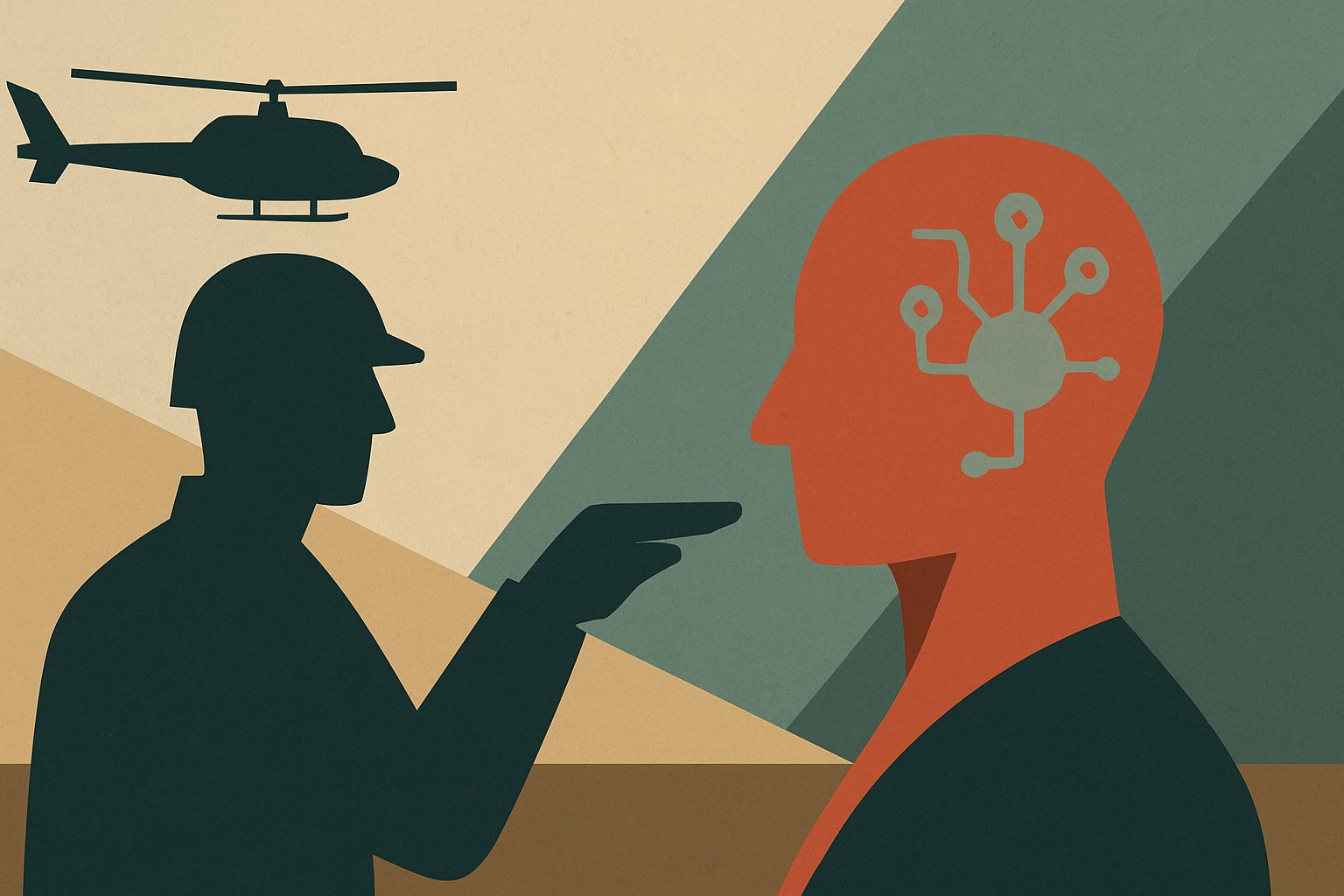
U.S. Special Operations Command stresses the importance of maintaining human control over AI technologies in military operations.
What's Happening
- •U.S. Special Operations Command highlights the necessity of human oversight in AI applications.
- •The integration of AI is aimed at enhancing operational efficiency and effectiveness.
- •A reality check is necessary regarding AI's capabilities and limitations in military contexts.
Why It Matters
The integration of AI in military operations represents a significant shift in how missions are conducted. For service members, understanding the balance between technology and human oversight is critical for effective engagement in future combat scenarios, ensuring that ethical considerations remain at the forefront of military operations.
What Changes Now
- •Service members will see an increased emphasis on AI training in their operational roles. This training will prepare them to effectively collaborate with AI systems while maintaining oversight.
- •Policies surrounding AI usage in military operations will be updated to reinforce the necessity of human judgment. These updates will guide how AI technologies are implemented in the field.
- •Special operations units will begin to integrate AI tools into their planning and execution processes. This integration aims to enhance efficiency while ensuring that ethical standards are upheld.
What to Watch
- •Upcoming training programs focused on AI literacy for service members. These programs will be essential for preparing personnel to work effectively with AI technologies.
- •Policy updates from SOCOM regarding AI implementation timelines. These updates will clarify how AI will be used in operations and the expected changes for service members.
- •Evaluations of AI performance in military exercises. The outcomes of these evaluations will influence future decisions on AI integration and its role in special operations.
Get the Daily Briefing
Military and veteran news that actually affects you, in your inbox each morning.
More Context
- •The Role of AI in Modern Warfare: Artificial Intelligence (AI) is increasingly being integrated into military operations, particularly within U.S. Special Operations Command (SOCOM). The use of AI technologies aims to streamline processes, improve decision-making, and enhance operational efficiency. However, the head of SOCOM has emphasized that despite the benefits, AI cannot replace the critical role of human judgment. This perspective is crucial as it underscores the importance of maintaining a human 'in the loop' during operations to ensure ethical considerations and accountability.
- •Human Oversight: A Necessity: The insistence on having a human in the loop when utilizing AI technologies is rooted in the need for accountability and ethical decision-making. The military operates in complex environments where decisions can have life-or-death consequences. By ensuring that human operators oversee AI systems, SOCOM aims to mitigate risks associated with automated decision-making, which can lead to unintended consequences. This approach not only safeguards personnel but also aligns with military values and operational standards.
- •Implications for Service Members: Active-duty personnel, particularly those in special operations roles, will need to adapt to the evolving landscape of warfare that incorporates AI technologies. For ranks E-5 to E-9 in special operations, understanding the interplay between AI and human oversight will be critical for mission success. Training programs will likely evolve to include AI literacy, ensuring that service members are equipped to work alongside these technologies effectively. This shift may also affect how missions are planned and executed, emphasizing the need for continuous education and adaptation.
- •Future Developments to Monitor: As SOCOM continues to explore AI integration, service members should keep an eye on upcoming training initiatives and policy updates. The timeline for these changes is still being defined, but SOCOM is expected to roll out new guidelines within the next year. Decisions regarding the extent of AI implementation in various operations will also be influenced by ongoing evaluations of AI performance and ethical implications. Service members should stay informed through official channels to understand how these developments may impact their roles.
Frequently Asked Questions
Does this affect Guard members on Title 10 orders?
Yes, Guard members on Title 10 orders will also be subject to the same policies regarding AI integration and human oversight in operations.
Will my training change if I’m in a special operations unit?
Yes, training for special operations units will incorporate AI literacy and operational procedures to ensure effective collaboration with AI technologies.
Veteran Take
For those who've served, the discussion around AI in military operations is both exciting and concerning. We know firsthand that while technology can enhance our capabilities, the human element is irreplaceable, especially when it comes to making ethical decisions in high-stakes situations. Veterans navigating this new landscape must advocate for a balanced approach that prioritizes oversight and accountability, ensuring that our values remain intact even as we embrace innovation.
The Daily Briefing
Military & veteran news that actually affects you — delivered every morning.
- Pay, benefits & policy changes
- Pentagon decisions that matter
- VA updates for veterans & families
- One email. No spam. Unsubscribe anytime.
Related Stories
- Air Force Seeks Next-Gen Perimeter Air Defense Radars to Replace Aging Systems— Air & Space Forces Magazine
- AFRL Partners with Virgin Galactic to Collect Space Weather Data— Air & Space Forces Magazine
- Lockheed Martin Unveils PAC-3 Edge Interceptor to Combat Hypersonic Threats— Marine Corps Times
- Air Force Leaders Elevate Point Defense as a Key Air Warfare Mission— Air & Space Forces Magazine