AI in Battlefield Intelligence: Enhancing Decision-Making Speed
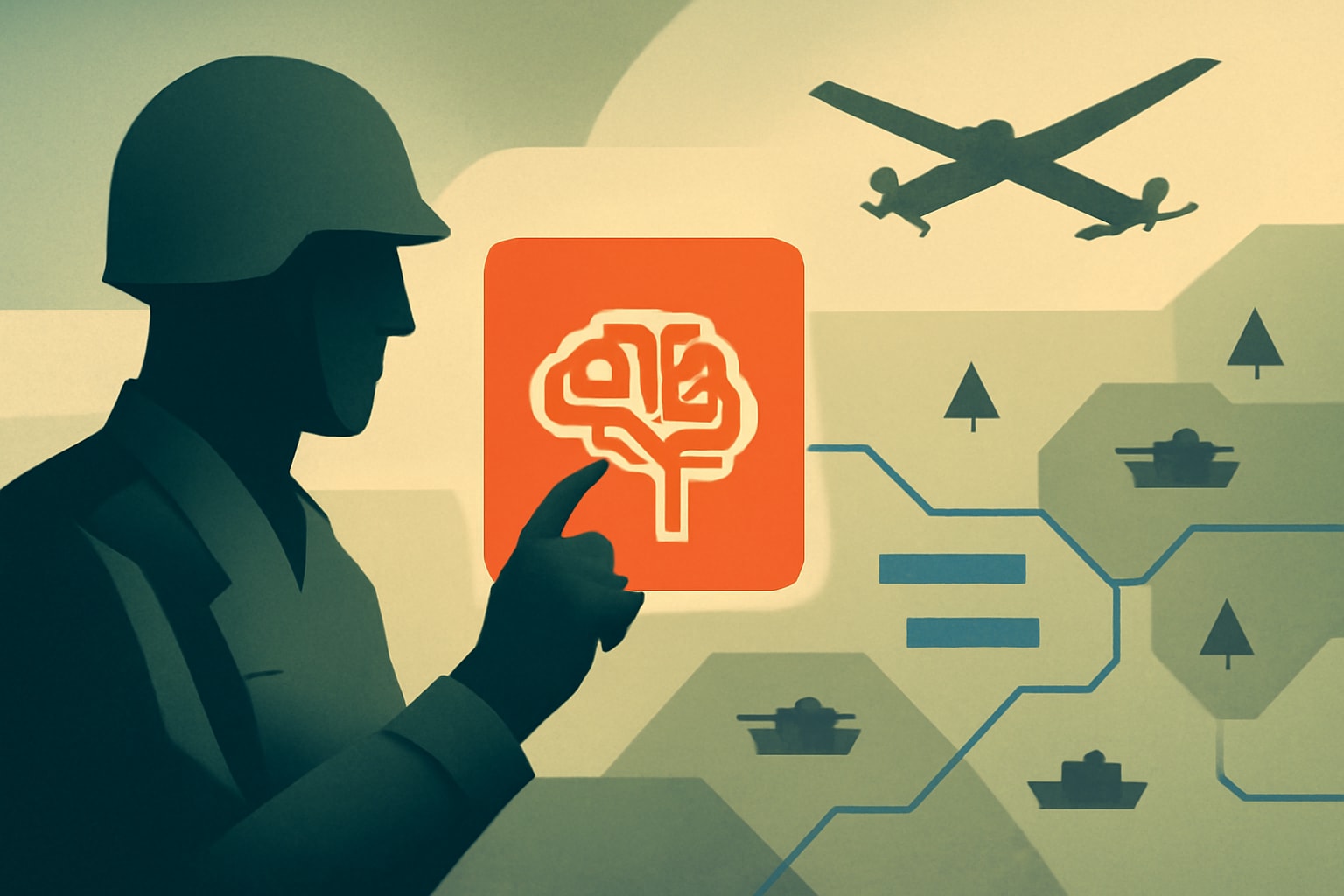
Artificial Intelligence is set to revolutionize battlefield intelligence, improving response times for military operations.
What's Happening
- •Artificial Intelligence (AI) is being integrated into battlefield intelligence systems.
- •The technology aims to reduce the time between data collection and actionable insights.
- •Improved decision-making speed is expected to enhance situational awareness and responsiveness.
Why It Matters
The integration of AI into battlefield intelligence has profound implications for military operations. For service members, this technology can mean the difference between success and failure in critical situations, enhancing both safety and mission effectiveness.
What Changes Now
- •The integration of AI in military operations is set to begin immediately. This will involve training personnel on new AI tools and systems to ensure effective implementation.
- •Commanders will have access to AI-driven insights in real-time. This will allow for quicker decision-making during missions, potentially altering the outcomes of engagements.
- •Service members will need to adapt to new technologies in their operational environments. This adaptation may include additional training and familiarization with AI systems.
What to Watch
- •The Department of Defense is expected to issue new AI guidelines soon. These guidelines will clarify how AI can be used responsibly and effectively in military operations.
- •Upcoming pilot programs will test AI systems in various military scenarios. The results of these programs will determine the future integration of AI technologies.
- •Monitoring advancements in AI technology is crucial. As new capabilities emerge, they could further enhance battlefield intelligence and operational effectiveness.
Get the Daily Briefing
Military and veteran news that actually affects you, in your inbox each morning.
More Context
- •The Role of AI in Military Operations: Artificial Intelligence is increasingly being recognized as a game-changer in military operations. By analyzing vast amounts of data quickly, AI can provide commanders with timely insights that are crucial for making informed decisions on the battlefield. This capability can significantly alter the dynamics of military engagements, allowing forces to adapt and respond to threats more effectively.
- •Impact on Service Members: For active duty service members, particularly those in combat roles such as infantry (11B) or reconnaissance (35M), the integration of AI tools means that they will have access to information that can enhance their situational awareness. This technology can aid in mission planning and execution, ultimately leading to increased safety and effectiveness in operations. The shift towards AI-driven intelligence will require training and adaptation, but the benefits could be substantial.
- •Challenges and Considerations: While the potential benefits of AI in battlefield intelligence are significant, there are challenges that need to be addressed. Concerns about data security, the reliability of AI algorithms, and the ethical implications of autonomous decision-making must be carefully considered. Ensuring that AI systems are transparent and accountable will be essential to maintaining trust among service members and the public.
- •Future Developments to Monitor: As AI technology continues to evolve, military leaders will need to keep an eye on upcoming developments in this field. The Department of Defense is expected to release new guidelines regarding the use of AI in military operations in the coming months. Additionally, ongoing pilot programs will provide insights into the effectiveness and reliability of AI systems in real-world scenarios.
Frequently Asked Questions
How will AI impact my role in the military?
AI will enhance your role by providing quicker access to critical information, improving situational awareness, and allowing for more informed decision-making.
Will there be training on new AI tools?
Yes, training programs will be implemented to ensure service members are proficient in using AI technologies effectively.
What are the ethical concerns regarding AI in military use?
Ethical concerns include data security, accountability of AI decisions, and the implications of autonomous systems in combat.
Veteran Take
For those who've served, the introduction of AI in battlefield intelligence is both exciting and a bit daunting. While faster decision-making can save lives and enhance mission success, it also raises questions about reliance on technology and the potential for errors in high-stakes situations. Veterans navigating this new landscape will need to ensure that human judgment remains at the forefront, complementing the capabilities of AI rather than being overshadowed by them.
The Daily Briefing
Military & veteran news that actually affects you — delivered every morning.
- Pay, benefits & policy changes
- Pentagon decisions that matter
- VA updates for veterans & families
- One email. No spam. Unsubscribe anytime.
Related Stories
- Air Force Successfully Tests New Sentinel ICBM Reentry Vehicle— Air & Space Forces Magazine
- B-2 Stealth Bomber Returns to Whiteman AFB After Depot Maintenance— Air & Space Forces Magazine
- Space Force Explores Leasing Commercial Antennas for Satellite Management— Air & Space Forces Magazine
- Patriot Interceptor Deliveries to Poland Delayed, General Confirms— Military Times