AI Decision-Support Systems: More Than Just Battlefield Tools
AI decision-support systems are evolving beyond combat applications, impacting military logistics and operations.
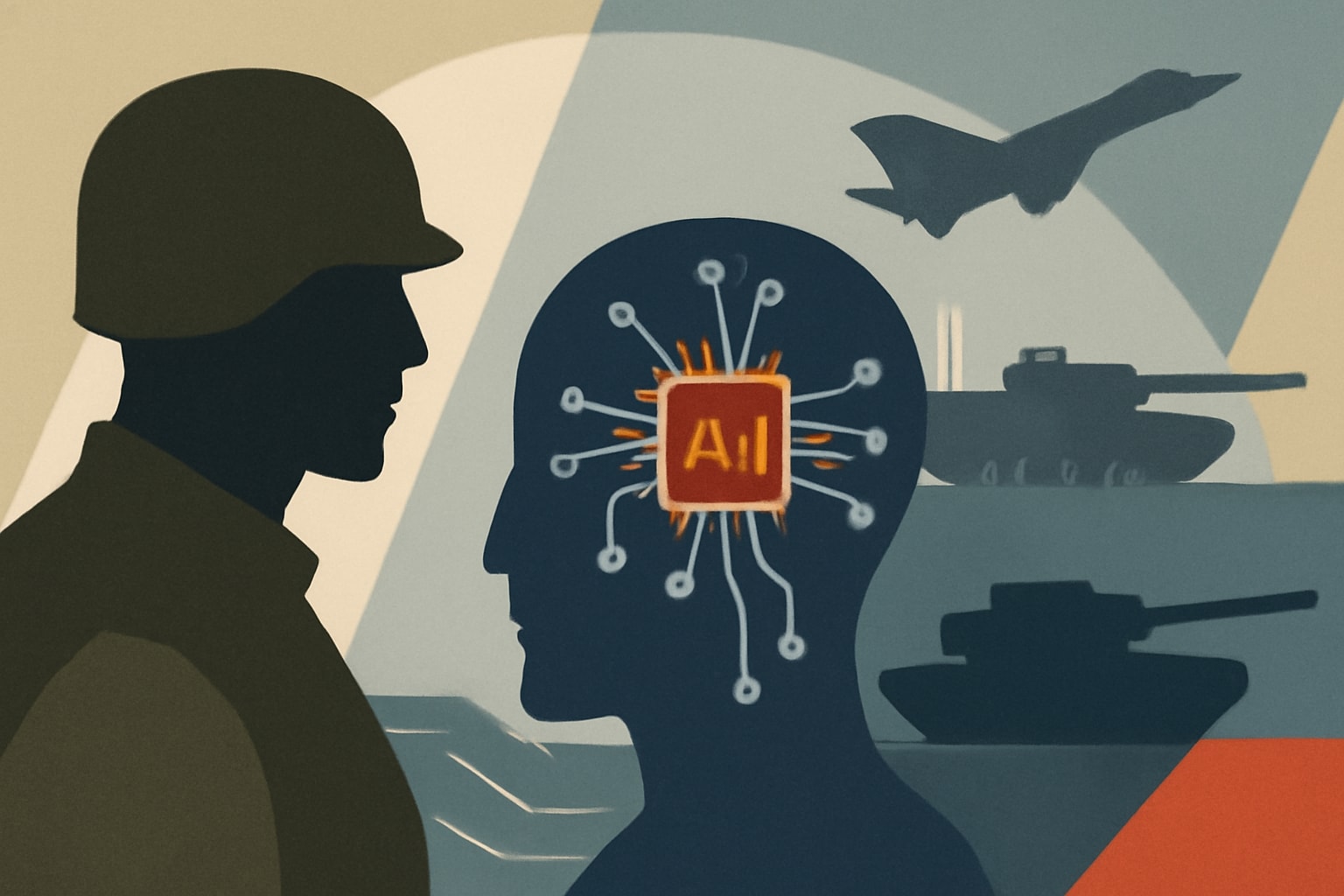
What's Happening
- •AI decision-support systems are being integrated into military operations beyond combat scenarios.
- •These systems are designed to provide comprehensive situational awareness across various geographic areas.
- •Military leaders are recognizing the value of AI in logistics, planning, and resource management.
Why It Matters
The evolution of AI decision-support systems represents a significant shift in military operations, enhancing efficiency and effectiveness. For service members, understanding these systems is crucial as they will play a pivotal role in future missions and operational planning.
What Changes Now
- •Military training programs will increasingly incorporate AI decision-support systems. This change means that service members will need to familiarize themselves with new technologies that enhance operational planning.
- •The Department of Defense is prioritizing the integration of AI across various military operations. This initiative will affect how logistics and resource management are conducted, impacting daily operations for many service members.
- •Joint operations will benefit from improved situational awareness provided by AI systems. This enhancement will require collaboration among different branches, emphasizing the need for effective communication and training.
What to Watch
- •The Department of Defense's strategic plan for AI implementation is expected to be released within the next year. This plan will outline how AI will be integrated into military operations and the timeline for its rollout.
- •Upcoming training programs focusing on AI technologies will be developed for service members. These programs will be critical in preparing personnel to effectively utilize AI decision-support systems in their roles.
- •Feedback mechanisms for service members regarding AI system effectiveness are being established. This will allow personnel to share their experiences and influence future developments in AI technology.
Get the Daily Briefing
Military and veteran news that actually affects you, in your inbox each morning.
More Context
- •The Evolution of AI in Military Operations: Historically, artificial intelligence (AI) has been associated primarily with battlefield applications, such as targeting and reconnaissance. However, military leaders are now expanding the scope of AI decision-support systems to include logistics and operational planning. This shift reflects a growing understanding that AI can enhance overall mission effectiveness by providing real-time data analysis and predictive modeling. For example, AI can optimize supply chain management, ensuring that troops receive necessary resources without delay.
- •Comprehensive Situational Awareness: AI decision-support systems are crucial for maintaining a comprehensive picture of military and civilian assets within a specific geographic area. By aggregating data from various sources, these systems enable commanders to make informed decisions based on a holistic view of the operational environment. This capability is particularly vital for joint operations involving multiple branches of the military, where coordination and situational awareness can significantly impact mission success.
- •Implications for Service Members: The integration of AI decision-support systems will directly affect service members across all ranks and branches. For example, logistics specialists (88M in the Army) and operations officers (13A in the Army) will need to adapt to new technologies that enhance their roles. Training programs are likely to evolve, emphasizing the importance of understanding and utilizing AI tools in daily operations. This transition may also create new career opportunities within the military for those skilled in AI and data analytics.
- •Future Developments to Monitor: As the military continues to invest in AI technologies, service members should keep an eye on upcoming initiatives and training programs. The Department of Defense is expected to release a strategic plan outlining the implementation of AI decision-support systems within the next year. Additionally, feedback from active-duty personnel will be crucial in shaping how these systems are integrated into existing frameworks, ensuring they meet the needs of those on the front lines.
Frequently Asked Questions
How will AI decision-support systems affect my job in logistics?
AI decision-support systems will enhance logistics operations by optimizing supply chain management and resource allocation. As a logistics specialist, you'll need to adapt to using these systems to improve efficiency.
What training will be available for using AI systems?
The military plans to develop training programs focused on AI technologies for service members. These programs will help you learn how to effectively use AI tools in your daily operations.
Will AI systems impact joint operations?
Yes, AI decision-support systems will improve situational awareness in joint operations. This will facilitate better coordination among different branches of the military.
The Daily Briefing
Military & veteran news that actually affects you — delivered every morning.
- Pay, benefits & policy changes
- Pentagon decisions that matter
- VA updates for veterans & families
- One email. No spam. Unsubscribe anytime.
Related Stories
- Golden Dome Task Force Aims to Strengthen U.S. Defense Against Attacks— Air & Space Forces Magazine
- SpaceX's Starshield Restrictions Hamper Military Operations in Ukraine— Military Times
- Estonia’s KrattWorks Crafting Shahed-like Dummy Drone for Target Practice— Defense News
- Air Force Certifies Operators for Skydio X10D Drone Surveillance— Military Times