AI to Vet Pentagon-Backed Professors’ China Ties Amid Staffing Concerns
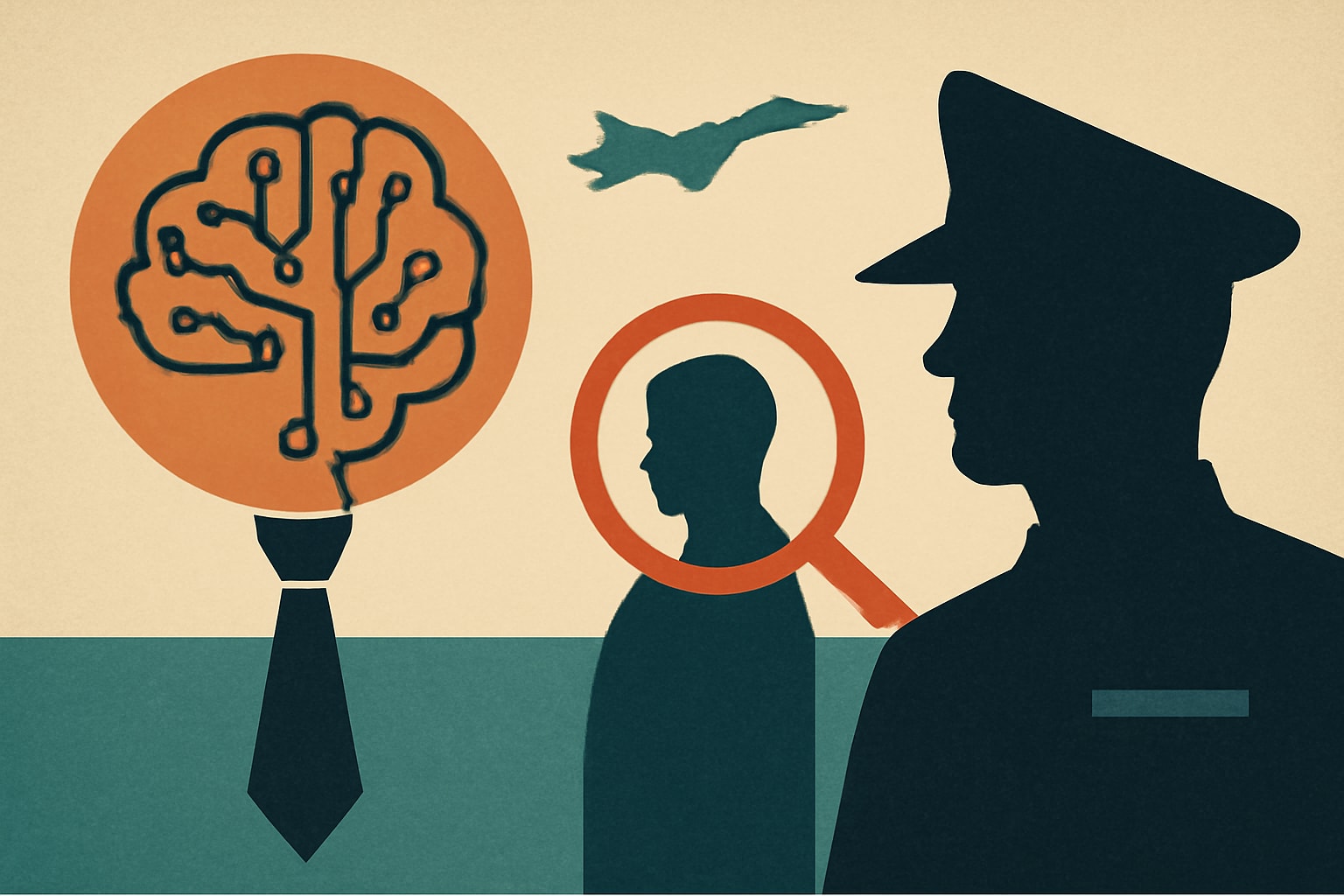
The Pentagon is implementing AI to assess foreign influence on research partnerships due to staffing shortages.
What's Happening
- •The Pentagon is adopting AI to vet professors involved in research partnerships for foreign ties.
- •A recent watchdog report highlighted significant understaffing issues within the Department of Defense.
- •Experts warn that reliance on AI could overlook nuanced human factors in assessing foreign influence.
Why It Matters
The shift to AI for vetting foreign ties in military research partnerships is crucial for maintaining national security. As the DOD faces staffing challenges, the effectiveness of these AI systems could directly impact the integrity of military research and partnerships with academic institutions.
What Changes Now
- •The DOD will implement AI systems for vetting professors involved in research partnerships. This change aims to address understaffing but raises concerns about the adequacy of AI in capturing complex human factors.
- •Increased reliance on AI may lead to faster assessments of foreign influence. However, this could also result in overlooking critical nuances that human evaluators would typically catch.
- •The shift to AI will require training for personnel to effectively integrate technology into existing vetting processes. This is essential to ensure that human oversight remains a key component of national security assessments.
What to Watch
- •Monitor the timeline for the full implementation of AI in the vetting process. The DOD plans to roll out the system in the coming months, which will be critical for assessing its effectiveness.
- •Watch for updates from the DOD regarding staffing changes and how they plan to address the current understaffing issues. Decisions made in the near future will impact the overall security landscape.
- •Keep an eye on expert evaluations of the AI system's performance. As it becomes operational, assessments will provide insights into its strengths and weaknesses in identifying foreign influence.
Get the Daily Briefing
Military and veteran news that actually affects you, in your inbox each morning.
More Context
- •Background on AI Implementation: The Department of Defense (DOD) is increasingly turning to artificial intelligence to manage the vetting of professors engaged in research partnerships. This shift comes in response to a watchdog report that criticized the DOD for its inability to adequately staff personnel responsible for monitoring foreign influence. The AI system is designed to streamline the vetting process, but experts caution that it may not fully capture the complexities of human interactions and potential espionage risks.
- •Concerns Over AI Limitations: While AI can process vast amounts of data quickly, its effectiveness in identifying subtle foreign influences is under scrutiny. Experts argue that without human oversight, the technology may misinterpret data, leading to missed indicators of espionage. The reliance on AI raises questions about the adequacy of current vetting processes and whether they can safeguard national security effectively.
- •Implications for Military Research: The integration of AI into the vetting process has significant implications for military research and partnerships. As the DOD seeks to enhance its capabilities, it must balance the need for rapid assessments with the potential risks of overlooking critical human factors. This situation underscores the importance of maintaining a robust human element in national security assessments, especially in an era where foreign influence is increasingly sophisticated.
Veteran Take
For those who've served, the integrity of our military research is paramount, especially when it involves partnerships with academic institutions. The use of AI to vet foreign ties reflects a necessary step towards safeguarding national security, but it also raises questions about trust and oversight in a system that is already stretched thin. Veterans navigating this landscape understand the importance of vigilance; we know that even the slightest lapse can have significant consequences.
The Daily Briefing
Military & veteran news that actually affects you — delivered every morning.
- Pay, benefits & policy changes
- Pentagon decisions that matter
- VA updates for veterans & families
- One email. No spam. Unsubscribe anytime.
Related Stories
- Watchdog Report Reveals Security Flaws in Pentagon Wireless Services— Task & Purpose
- Marine Corps Invests $19.25 Million in Electric Seaglider Technology— Military.com
- Former Army Generals Warn Against U.S. Siding with Russia Over Ukraine— Military.com
- Inside the Army Jungle School’s Notorious ‘Green Mile’ Training— Military Times