AFRL Successfully Tests SpaceX Cargo Delivery for Military Use
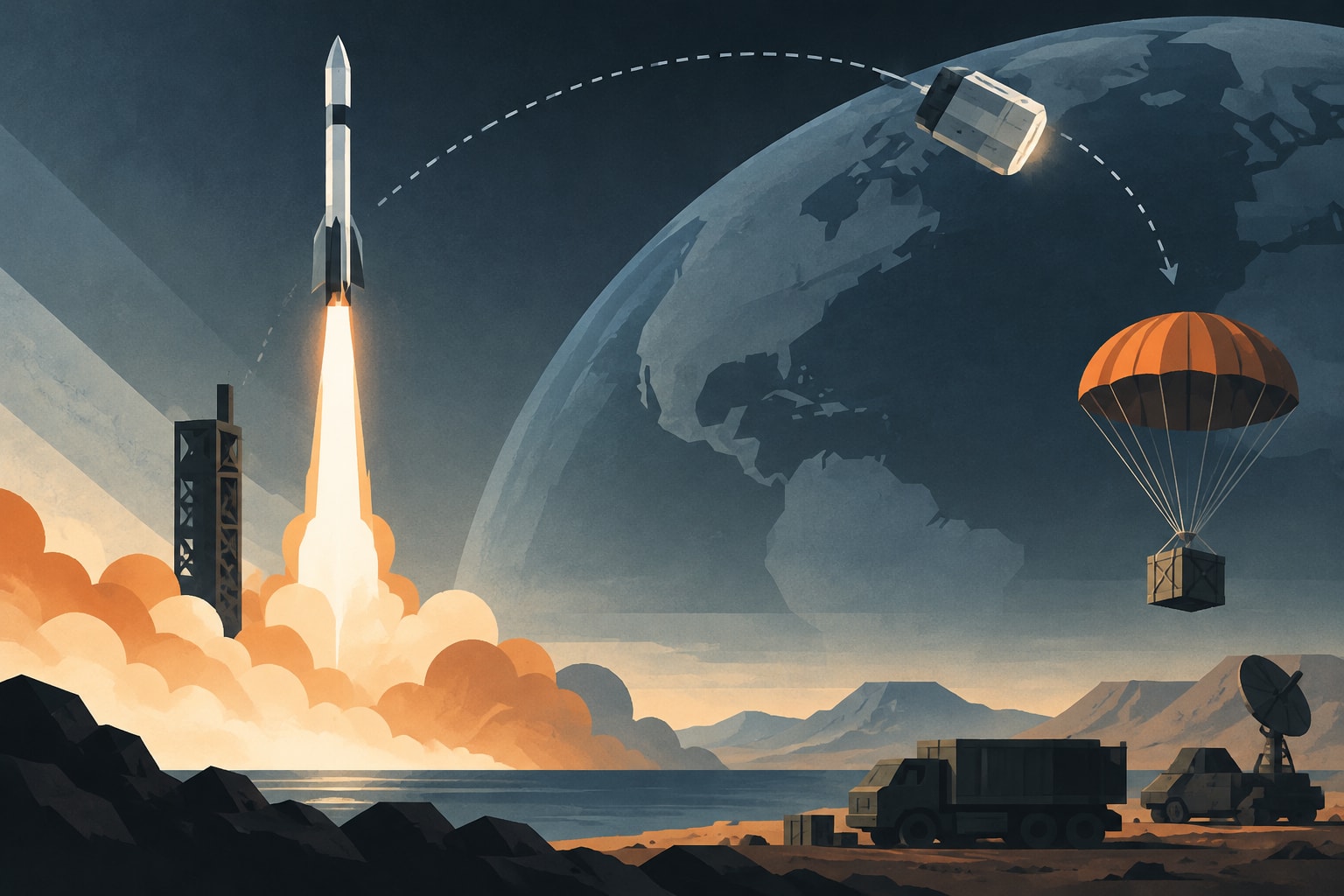
The recent SpaceX launch demonstrated a new capability for delivering critical supplies to U.S. forces worldwide.
What's Happening
- •On October 20, a SpaceX Falcon 9 rocket launched from Cape Canaveral with military cargo.
- •The payload included a reverse osmosis desalinator and emergency medical supplies.
- •This demonstration is part of the AFRL's efforts to enhance military logistics capabilities.
Why It Matters
For military personnel, this demonstration signifies a potential shift in how supplies are delivered during operations. The ability to rapidly transport critical resources via space could enhance mission success and improve the safety and readiness of U.S. forces deployed globally.
What Changes Now
- •The successful demonstration of cargo delivery via SpaceX opens new avenues for military logistics. This means that logistics officers will need to adapt their planning and operations to incorporate space-based supply options.
- •Service members may see changes in how supplies are delivered during deployments. This could lead to faster access to critical resources, improving overall operational efficiency.
- •The AFRL's ongoing tests will likely influence future military procurement strategies. This is important for service members as it may affect the types of equipment and technologies that are prioritized for funding.
What to Watch
- •Upcoming AFRL evaluations of space-based logistics capabilities will be critical. These evaluations will determine the feasibility of integrating space logistics into standard military operations.
- •Future SpaceX launches may include more complex military payloads. Monitoring these launches will provide insights into the evolving capabilities of military logistics.
- •The development of partnerships between the military and commercial space companies will be key. This could lead to new contracts and collaborations that enhance military readiness.
Get the Daily Briefing
Military and veteran news that actually affects you, in your inbox each morning.
More Context
- •Significance of the Demonstration: The recent SpaceX launch marks a pivotal moment for the U.S. military's logistics capabilities. By testing the delivery of critical supplies through space, the Air Force Research Laboratory (AFRL) aims to streamline the process of getting essential resources to deployed forces. This capability could significantly reduce the time it takes to deliver aid, especially in remote or hostile environments where traditional supply lines may be compromised.
- •Technology and Equipment Involved: The cargo delivered during this demonstration included innovative technologies such as a reverse osmosis desalinator, which can provide potable water in austere conditions. Additionally, survival gear and emergency medical equipment were part of the payload, highlighting the focus on immediate support for service members in crisis situations. The integration of advanced technologies into military logistics is crucial for maintaining operational readiness and ensuring that troops have what they need when they need it.
- •Impact on Military Operations: This demonstration could reshape how the military approaches supply chain logistics. By utilizing commercial space capabilities, the AFRL is exploring new avenues for rapid resupply that bypass traditional ground routes. This could be particularly beneficial for Active Duty and Reserve Component units that operate in isolated areas, allowing for quicker access to vital resources and enhancing overall mission effectiveness.
- •Future Developments to Monitor: As the AFRL continues to test and refine this capability, military personnel should keep an eye on upcoming demonstrations and evaluations. Future launches may involve more complex scenarios, including larger payloads and various types of equipment. The outcomes of these tests will inform military logistics strategies and potentially lead to broader adoption of space-based supply solutions.
Frequently Asked Questions
Does this affect Guard members on Title 10 orders?
Yes, the advancements in logistics could impact Guard members by improving supply delivery during federal missions.
Will my unit receive new equipment from these demonstrations?
Potentially, as successful tests may lead to the procurement of new technologies for units involved in logistics.
How will this change supply chain management in the military?
This could streamline supply chain management by reducing reliance on traditional ground routes and enhancing rapid delivery capabilities.
The Daily Briefing
Military & veteran news that actually affects you — delivered every morning.
- Pay, benefits & policy changes
- Pentagon decisions that matter
- VA updates for veterans & families
- One email. No spam. Unsubscribe anytime.
Related Stories
- Air Force Commences Production of ARRW, Its First Hypersonic Weapon— Air & Space Forces Magazine
- Space Force Aims for Cislunar Kit Launch by 2029— Air & Space Forces Magazine
- Army Faces Workforce Losses Amid Push for Autonomous Systems— Military.com
- Defense Industry Leaders Address Production Challenges and AI Integration— Military Times