79% of Veterans and Service Members Say Politicians Are Leaving Them Behind
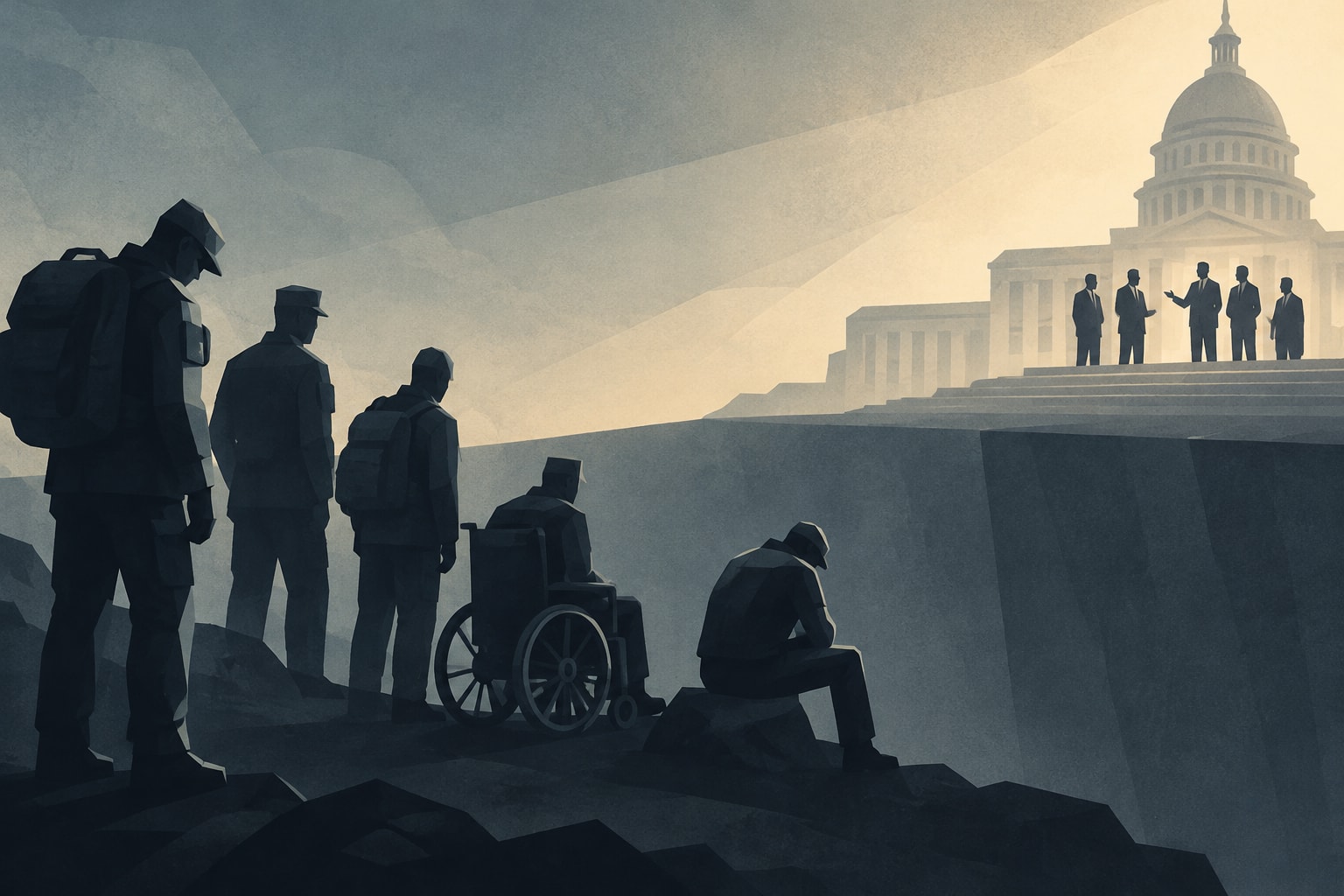
A recent poll reveals that a significant majority of veterans and service members feel neglected by political leaders and society.
What's Happening
- •A recent poll indicates that 79% of veterans and service members feel abandoned by politicians.
- •Active-duty troops report that political polarization is influencing their commitment to service.
- •The poll highlights a growing readiness crisis within the military community.
Why It Matters
The sentiment expressed by veterans and service members in this poll highlights a critical issue affecting military readiness and morale. As the military grapples with recruitment and retention challenges, understanding the perceptions of those who serve is vital for developing effective policies and support systems.
What Changes Now
- •Military leadership may initiate new outreach programs to engage with veterans and service members. This could include town hall meetings and surveys to gather feedback on their concerns and needs.
- •There may be an increased emphasis on mental health resources for service members feeling disillusioned. This is crucial to support those struggling with the impact of political polarization on their service experience.
- •Policymakers could begin to address the disconnect between military needs and political agendas. This may lead to legislative changes aimed at improving support for veterans and active-duty personnel.
What to Watch
- •Upcoming military town hall meetings scheduled for early 2027. These forums will provide an opportunity for service members to voice their concerns directly to leadership.
- •Potential legislative proposals addressing veteran issues expected to be introduced in Congress next session. The outcome of these proposals could significantly impact veteran support programs.
- •Future polls and surveys assessing service member morale and readiness. Tracking these metrics will be essential to understanding ongoing trends in military sentiment.
Get the Daily Briefing
Military and veteran news that actually affects you, in your inbox each morning.
More Context
- •Understanding the Poll Results: The recent poll conducted among veterans and service members reveals a stark sentiment of abandonment. A staggering 79% of respondents expressed that they feel neglected by politicians and society at large. This statistic underscores a growing disconnect between the military community and political leaders, which could have serious implications for recruitment and retention. The survey also highlights concerns about political polarization affecting morale and readiness among active-duty troops, suggesting that the current political climate may be pushing some service members toward leaving the military.
- •Impact on Active-Duty Service Members: For active-duty service members, particularly those in the E-4 to E-6 ranks, the implications of this sentiment are profound. Many report feeling disillusioned by the politicization of military issues, which can lead to decreased morale and a potential readiness crisis. This discontent may influence their decisions to remain in service, impacting retention rates. As the military faces challenges in maintaining personnel levels, understanding these sentiments is crucial for leadership to address the underlying issues contributing to this crisis.
- •Veteran Perspectives and Future Implications: Veterans, especially those who have recently transitioned to civilian life, are particularly affected by these sentiments. Many veterans feel that their sacrifices are overlooked in political discussions, leading to feelings of isolation and neglect. This perception can hinder their reintegration into society and impact their mental health. As veterans advocate for their needs, it becomes essential for policymakers to engage with them to ensure that their voices are heard and that their concerns are addressed in legislative agendas.
- •What Can Be Done?: To address these concerns, military leaders and policymakers must prioritize open dialogue with veterans and service members. Initiatives such as town hall meetings and feedback forums can help bridge the gap between the military community and political leaders. Furthermore, it is vital for the Department of Defense to assess the impact of political discourse on service members' morale and readiness. By actively seeking input from those who serve, the military can foster a more supportive environment that acknowledges and addresses the challenges faced by its personnel.
Frequently Asked Questions
Does this affect Guard members on Title 10 orders?
Yes, Guard members on Title 10 orders are also affected by the sentiments expressed in the poll, as they are part of the active-duty community during their service.
Will my BAH change if I move duty stations mid-year?
Your Basic Allowance for Housing (BAH) may change if you move to a new duty station, as BAH rates vary by location.
What resources are available for veterans feeling neglected?
Veterans can access resources through the VA, including mental health support and community engagement programs, to address feelings of neglect.
The Daily Briefing
Military & veteran news that actually affects you — delivered every morning.
- Pay, benefits & policy changes
- Pentagon decisions that matter
- VA updates for veterans & families
- One email. No spam. Unsubscribe anytime.
Related Stories
- Study Links Childhood Mild TBIs to Poorer Mental Health in Veterans— Military.com
- Army Veteran’s Fatal Shooting in Florida Puts Police Crisis Training in Focus— Military.com
- VA Approves Over 625,000 Upgrades to 100% Disability Ratings— Military.com
- Navy Veteran, Ex-CIA Officer Found With 298 Gold Bars Pleads Guilty to $194M Scheme— Military.com