Marine Corps Aviation Plan 2040 Focuses on AI and Unmanned Systems
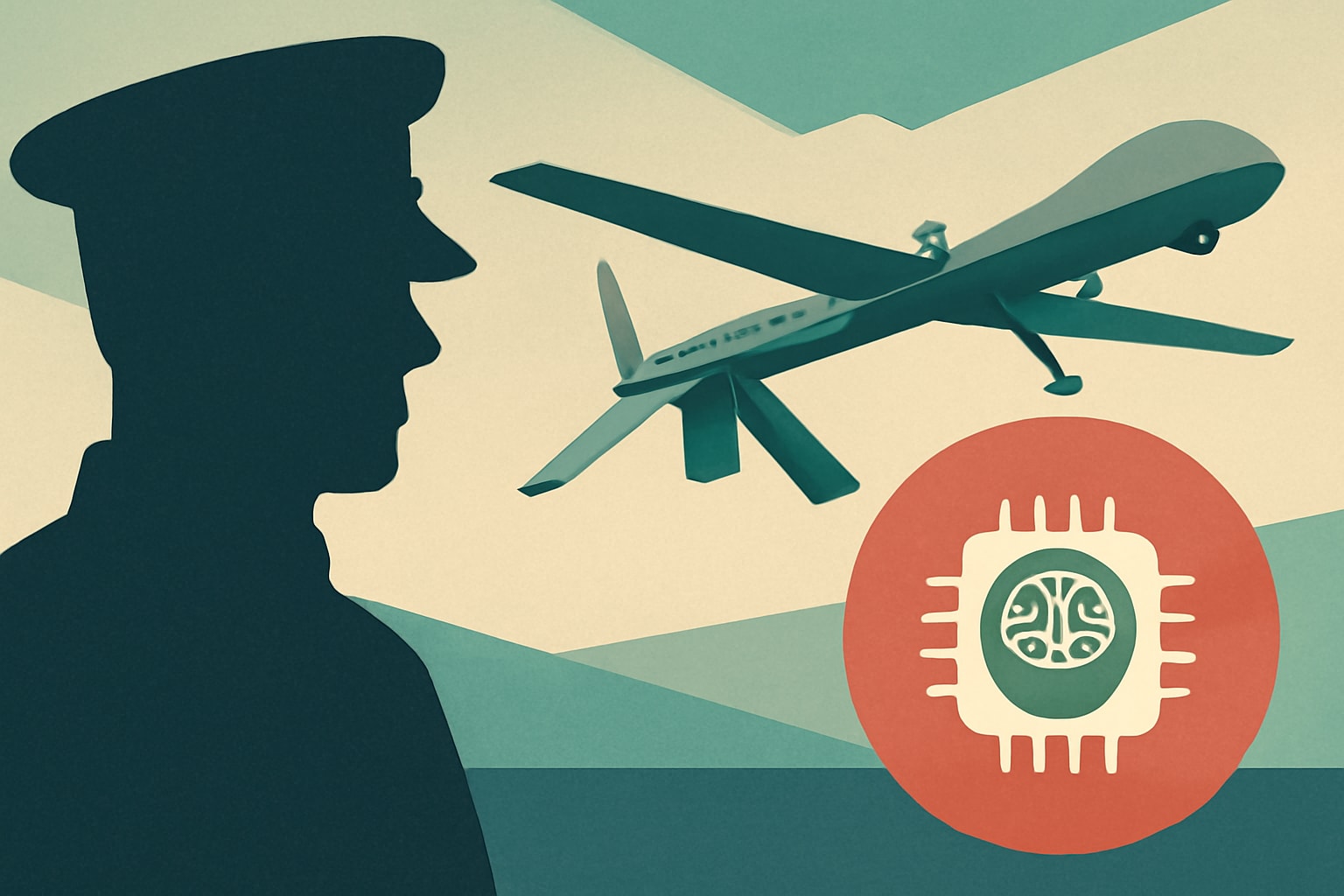
The Marine Corps' newest aviation strategy emphasizes AI and unmanned systems for future warfare.
What's Happening
- •The Marine Corps released its Aviation Plan 2040 (AVPLAN) in April 2026.
- •The plan emphasizes the integration of AI and unmanned systems into aviation operations.
- •AVPLAN 2040 is a significant evolution from the previous 2025 framework.
Why It Matters
The AVPLAN 2040 will significantly shape the future of Marine Corps aviation, directly impacting how service members are trained and equipped. As the military adapts to new technologies, understanding these changes is crucial for personnel to remain effective in their roles and missions.
What Changes Now
- •There will be an increased focus on AI and unmanned systems in training programs. This shift will require service members to adapt to new technologies that enhance their operational capabilities.
- •Equipment procurement strategies will likely evolve to prioritize advanced UAVs and AI systems. This change is essential for maintaining a competitive edge in future combat scenarios.
- •Marine Corps personnel will undergo training that incorporates the latest advancements in aviation technology. This will ensure they are prepared to operate effectively within the new framework outlined in AVPLAN 2040.
What to Watch
- •Monitor the progress of AI-powered aviation systems development. This will be crucial for understanding how quickly the Marine Corps can integrate these technologies into their operations.
- •Keep an eye on the acquisition of advanced UAVs and their integration into Marine Corps missions. Decisions made in the coming months will significantly impact future operational capabilities.
- •Watch for updates on training programs that incorporate AI and unmanned systems. These developments will provide insights into how service members will adapt to the new aviation landscape.
Get the Daily Briefing
Military and veteran news that actually affects you, in your inbox each morning.
More Context
- •Overview of AVPLAN 2040: The Marine Corps' Aviation Plan 2040 (AVPLAN) outlines a strategic vision for the future of aviation operations, focusing on the integration of cutting-edge technologies. Released in April 2026, this plan marks a notable shift from the 2025 framework, with officials describing it as a 'significant evolution.' The primary goal of AVPLAN 2040 is to enhance the Marine Corps' operational capabilities in response to emerging threats and the evolving nature of warfare.
- •Integration of AI in Aviation Operations: A key component of AVPLAN 2040 is the incorporation of artificial intelligence (AI) to improve decision-making processes and operational efficiency. The plan outlines the use of AI for real-time data analysis, which will facilitate predictive maintenance of aircraft and enable autonomous navigation for unmanned aerial vehicles (UAVs). By leveraging AI, the Marine Corps aims to reduce the workload on personnel, enhance response times, and improve coordination between manned and unmanned systems.
- •Emphasis on Unmanned Systems: AVPLAN 2040 places significant importance on the role of unmanned systems in future aviation strategies. The Marine Corps plans to increase its reliance on UAVs for critical missions such as intelligence gathering, surveillance, reconnaissance, and strike operations. Investments will be made in developing advanced UAVs equipped with superior sensors and capabilities, allowing them to operate effectively in contested environments and support ground forces in complex scenarios.
- •Modernization and Future Technologies: In addition to AI and unmanned systems, AVPLAN 2040 addresses the need for modernizing existing aircraft and developing new platforms. This includes upgrades to avionics, sensors, and weapon systems on current aircraft, as well as exploring emerging technologies like hypersonic flight and directed energy weapons. The Marine Corps recognizes that maintaining a technologically advanced aviation force is essential for deterring adversaries and responding to global crises.
- •Implementation and Future Considerations: With the release of AVPLAN 2040, the Marine Corps is set to implement its objectives through various initiatives including research and development, procurement strategies, and training exercises. The successful integration of AI and unmanned systems will require ongoing investment and collaboration with industry partners. Service members should stay informed about how these developments will affect their training, equipment, and future deployment strategies.
Veteran Take
For those who've served, the shift towards AI and unmanned systems in Marine Corps aviation is both exciting and daunting. We understand that adapting to new technologies is essential for maintaining our edge in warfare, but it also raises questions about how these changes will affect training and the roles of future service members. Veterans navigating this transition will need to stay informed and engaged to ensure that our values and experiences continue to shape the future of military operations.
The Daily Briefing
Military & veteran news that actually affects you — delivered every morning.
- Pay, benefits & policy changes
- Pentagon decisions that matter
- VA updates for veterans & families
- One email. No spam. Unsubscribe anytime.
Related Stories
- Army Activates Its Fourth Multi-Domain Task Force at Fort Carson— Task & Purpose
- Lockheed Martin Unveils PAC-3 Edge Interceptor to Counter Hypersonic Threats— Military Times
- Ukraine Targets Russian Factory Critical to Missile Production— Defense News
- First Space Force Guardians Graduate from Army Jungle School in Panama— Task & Purpose